What Is a Twin Room in a Hotel?
A twin room in a hotel is a room with two separate beds, usually intended for two people who want to share accommodation without sharing a bed.
A twin room in a hotel is a room with two separate beds, usually intended for two people who want to share accommodation without sharing a bed. It is a popular choice for friends, siblings, colleagues, and other travelers who prefer their own sleeping space.
However, the word “twin” does not tell you everything about the room. Bed sizes, maximum occupancy, amenities, and the distance between the beds can vary, so checking the room description matters more than relying on the name alone.
This guide explains what a twin hotel room includes, how it compares with other room types, and how to book one without an unwelcome surprise at check in.
What Does a Twin Room Mean in a Hotel?
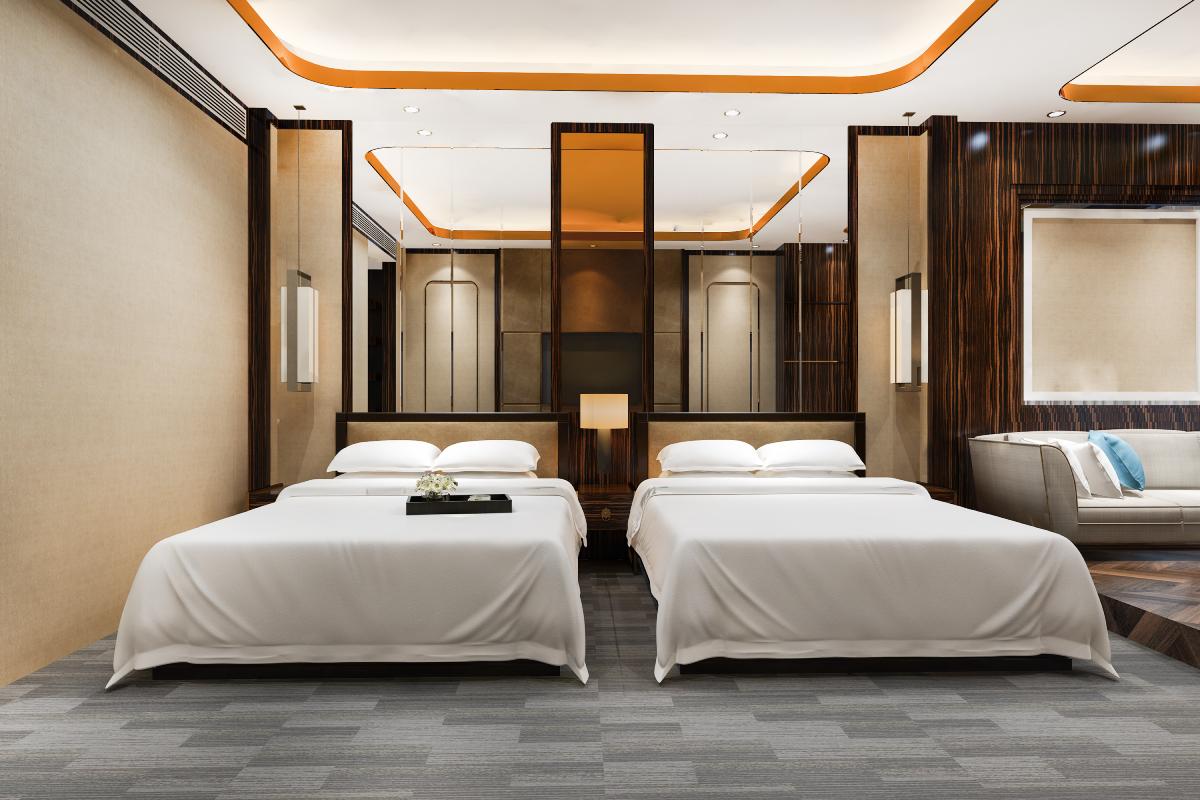
A twin room describes the sleeping arrangement, rather than the room’s quality or size. Its defining feature is two separate beds within one guest room.
In many hotels, these are single beds. Other properties offer larger beds, although they may describe that accommodation as a room with two double beds or two queen beds instead.
Guests usually share the bathroom, entrance, television, and other facilities. A twin room does not give each traveler a separate bedroom or private living area.
Does “Twin” Mean the Beds Are Identical?
The beds are generally the same size and style, but the room description is your best guide. Unusual room layouts or smaller independent properties may use different arrangements.
Also, a twin room and a twin bed are different terms. “Twin room” describes a hotel room containing two separate beds, while “twin bed” is a mattress size label commonly used in North America.
Are Twin Rooms Always for Two People?
They are usually designed for two guests, but permitted occupancy depends on the property. Some hotels allow one person to book a twin room, while others permit an additional child or guest under specific conditions.
Never assume that two beds automatically allow three or four people. The hotel’s stated occupancy limit determines who can stay.
What Is Usually Included in a Twin Hotel Room?
A twin room often has the same basic facilities as a comparable double room in the same hotel. The main difference is the bed arrangement.
Depending on the property and room category, you may find:
Two separate beds with individual bedding
A private bathroom, although some budget accommodation uses shared bathrooms
Towels and basic toiletries
Storage space or a wardrobe
A television and internet access
A desk, chair, or small seating area
Heating or air conditioning where provided
Breakfast, parking, airport transfers, and access to leisure facilities are separate booking details. The word “twin” does not mean these extras are included.
A standard twin room may also differ considerably from a deluxe twin room. The deluxe category might offer more space, a better view, or upgraded furnishings, but those benefits should appear in the description.
Twin Room vs Double Room: What Is the Difference?
The clearest distinction is straightforward: a twin room has two separate beds, while a double room usually has one bed intended for two people.
Both categories commonly accommodate two guests. Choosing between them is mainly about whether you want to share a bed.
A couple may prefer a double room, while two colleagues may choose a twin room. Neither category is automatically more spacious, comfortable, or expensive.
Why “Double” Can Be Confusing
In many destinations, “double room” means one shared bed. However, a listing that says “two double beds” describes two separate beds, each larger than a typical single bed.
Read the actual bed specification, such as “2 single beds” or “1 queen bed.” That information is more useful than a broad room label.
Hotel Room Types Compared
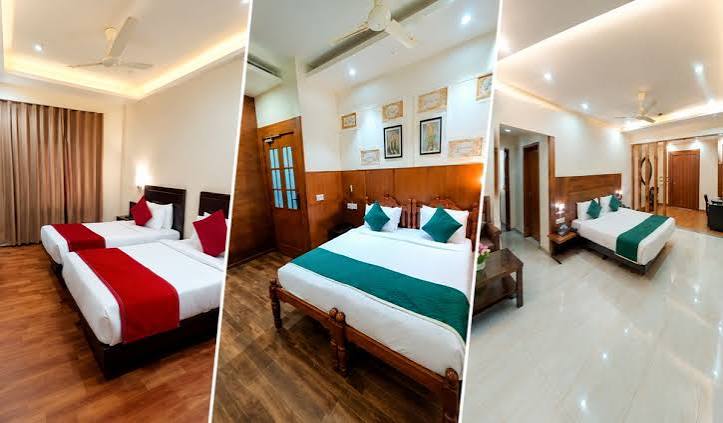
Room names are not completely standardized across hotels or countries. This table explains common meanings and the details worth confirming.
| Room type | Typical bed arrangement | Common use | What to check |
|---|---|---|---|
| Twin room | Two separate beds, often singles | Friends, siblings, or colleagues | Bed dimensions and confirmed layout |
| Double room | One bed for two people | Couples or solo travelers | Actual bed size |
| Single room | Usually one bed for one guest | Solo stays | Occupancy and available space |
| Double or twin room | One shared bed or two separate beds | Travelers with flexible preferences | Whether your requested setup is guaranteed |
| Room with two double beds | Two double beds | Friends or families | Maximum occupancy and extra guest charges |
| Triple room | Beds intended for three guests | Small groups or families | Whether the third bed is permanent or temporary |
| Family room | A combination of beds or sleeping spaces | Adults traveling with children | Layout, child policies, and privacy |
| Connecting rooms | Separate rooms linked by an internal door | Groups needing more space | Whether the connection is confirmed |
Connecting rooms are different from a twin room. They provide separate rooms, while a twin room places both beds in the same room.
How Big Are the Beds in a Twin Room?
There is no universal bed size for every twin hotel room. Mattress dimensions vary by country, hotel, and sometimes even by room category.
A listing that simply says “two single beds” may be sufficient for a short stay. For taller travelers or anyone who needs more sleeping space, exact measurements are worth requesting.
Ask for the width and length of each mattress. Descriptions such as “large twin beds” are less helpful because they do not provide a measurable comparison.
Are the Beds Always Far Apart?
No. Some rooms have a bedside table between the beds, while others position them close together with only a narrow gap.
Photos can help, but they may show a representative room rather than your exact allocation. If separation matters, ask the hotel whether the beds can remain apart comfortably.
Can the Hotel Push the Beds Together?
Some hotels use beds that can be moved together or joined to create a larger sleeping arrangement. Others have fixed furniture or room layouts that prevent this.
Even when beds can be joined, there may be a noticeable gap between the mattresses. Confirm whether the property provides a mattress topper or another suitable arrangement if you want a shared bed.
Who Should Book a Twin Room?
Twin rooms work particularly well for travelers who are comfortable sharing a room but prefer individual beds. They can also make accommodation more affordable when the alternative is booking two rooms.
Friends and Siblings
Separate beds make it easier to maintain different sleeping preferences. Each person typically has their own bedding, which helps when one guest prefers a warmer duvet or moves frequently during the night.
However, you still share the room’s lighting, temperature, and bathroom. Different schedules can affect comfort even when the beds are separate.
Colleagues Traveling for Work
A twin room can suit colleagues attending a conference or working within a shared travel budget. Both guests should be comfortable with the arrangement before the booking is made.
For stays involving confidential calls, frequent meetings, or substantially different schedules, separate rooms may be more practical.
Couples and Solo Travelers
Couples can book twin rooms if they sleep better separately or if that category offers suitable availability. A twin room is simply a bed arrangement, not a restriction on who may use it.
Solo travelers may also reserve one, subject to the hotel’s booking conditions. The second bed does not necessarily mean the rate will be reduced for single occupancy.
Is a Twin Room Cheaper Than a Double Room?

A twin room is not automatically cheaper or more expensive than a double room. Comparable categories may have the same rate, but availability and demand can create price differences.
Other factors include the room size, view, cancellation terms, meal plan, and number of registered guests.
Compare the total stay price rather than the headline nightly rate. A lower room rate may become less attractive if breakfast, taxes, or other applicable charges are excluded.
Example: Comparing Equivalent Offers
Suppose a twin room costs 120 per night with breakfast, while a double room costs 110 without breakfast. The double room has a lower advertised rate, but the better value depends on breakfast costs and whether you need separate beds.
Keep the comparison consistent: same dates, same guest count, similar room category, and equivalent booking conditions.
How to Book a Twin Room Correctly
A few checks before payment can prevent most bed arrangement problems.
1. Enter the Correct Number of Guests
Search using the actual number of adults and children staying. This helps display suitable occupancy limits and applicable rates.
If a child is traveling, enter their age accurately where requested. Child policies can affect breakfast, extra beds, and room eligibility.
2. Check the Bed Description
Look for wording such as “2 single beds” or “2 separate beds.” A room title alone may leave important details unclear.
A listing marked “double or twin” can mean the hotel offers either arrangement. It does not necessarily guarantee two beds.
3. Review Photos and Room Details
Check the stated floor area, bathroom arrangement, amenities, and occupancy limit. Look at whether there is enough room for luggage without blocking access around the beds.
Remember that two beds do not necessarily mean a larger room. Some twin rooms have limited floor space.
4. Confirm Whether the Bed Choice Is Guaranteed
If separate beds are essential, contact the hotel before booking an offer with ambiguous wording. Ask whether it can confirm a twin setup for your dates.
A request recorded in booking notes may remain subject to availability. Written confirmation is more useful than an unconfirmed preference.
5. Save the Booking Confirmation
Keep a copy showing the room category, guest count, bed arrangement, and payment terms. Save any correspondence confirming the two beds.
Review those details again before arrival, particularly if the reservation has been changed.
What If You Arrive and the Room Has One Bed?
First, check whether your confirmation guarantees a twin room or lists the arrangement as a preference. That distinction helps establish what was booked.
Show the confirmation to reception and explain that you require two separate beds. Staff may be able to move you, separate convertible beds, or offer another suitable arrangement.
If the booked layout is unavailable, ask what alternatives the hotel can provide. An extra bed may be an option, but check its comfort, any charge, and whether it leaves enough usable space.
When you booked through a travel website, contact its support team if the property cannot resolve the issue. Keep a record of the room provided and the proposed solution; refunds or compensation depend on the circumstances and applicable terms.
Practical Tips for a More Comfortable Twin Room Stay
Confirm bed size for a longer stay. A narrow mattress that feels acceptable for one night may become uncomfortable over a week.
Check charging access. Older room layouts may have power sockets near only one bed, so a suitable travel adapter with multiple charging ports can be useful.
Discuss routines before arrival. Agreeing on alarms, lights, and bathroom timing helps when friends or colleagues share accommodation.
Ask about luggage space. Two travelers with large suitcases may benefit more from additional floor area than from a decorative room upgrade.
Confirm accessibility separately. A twin layout does not guarantee enough clearance for a wheelchair or an accessible bathroom.
Register every guest. Booking for one person and bringing a second can create occupancy or payment problems, even when the room has two beds.
Frequently Asked Questions
1. Does a twin room have two bathrooms?
Usually, no. A standard twin room generally has one bathroom shared by both guests, although the listing should confirm whether it is private or communal.
A suite may have a different arrangement, but that comes from the suite’s layout rather than its twin beds.
2. Can three people stay in a twin room?
Only if the hotel permits it. The property may offer an extra bed or allow a child under specified conditions, but some twin rooms have a strict two person limit.
Confirm occupancy and any additional charge before booking.
3. Is a twin room suitable for a couple?
Yes. Couples can choose a twin room if they prefer separate beds.
If you want to sleep together, book a confirmed shared bed or ask whether the hotel can join the twin beds appropriately.
4. Does a twin room include breakfast for two?
Not necessarily. Breakfast depends on the selected rate and the number of guests covered by that rate.
Check the booking details for both inclusion and guest entitlement.
5. What does “twin room for single use” mean?
It means one guest occupies a room containing two separate beds. The hotel may offer a specific single occupancy rate, although a discount is not guaranteed.
The reservation remains for one guest unless you arrange otherwise.
6. Are twin rooms available in every hotel?
No. Some properties mainly offer rooms with one shared bed, while others have several categories with two beds.
Search for the required bed arrangement before comparing prices.
7. Is a twin room the same as a room with bunk beds?
Usually, no. A twin room commonly has two separate conventional beds, while a bunk room has beds stacked vertically.
Always check the description because individual properties may use room labels differently.
Final Verdict: Check the Beds, Not Just the Room Name
A twin room is a practical choice when two travelers want to share accommodation while sleeping in separate beds. It can suit friends, relatives, colleagues, couples, and even solo guests.
Before booking, confirm two separate beds, suitable mattress dimensions, permitted occupancy, and whether the arrangement is guaranteed. Those details tell you far more about the suitability of the room than the word “twin” alone.
Some links on this page are affiliate links. If you book through one we may earn a commission, at no extra cost to you. It never affects our ratings, our rankings, or the price you pay.