Booking.com vs Trip.com
Online travel agencies (OTAs) have changed how travelers search, compare, and book hotels, flights, and travel experiences.
Online travel agencies (OTAs) have changed how travelers search, compare, and book hotels, flights, and travel experiences. Two major names competing in the global travel market are Booking.com and Trip.com.
Booking.com is one of the world’s largest accommodation booking platforms and operates under Booking Holdings, the company behind brands such as Agoda, Priceline, Kayak, and Rentalcars.com. The platform started as a hotel booking website and expanded into flights, rental cars, attractions, and travel services.
Trip.com is the global travel platform of Trip.com Group, a major travel technology company that also owns brands such as Ctrip, Skyscanner, Qunar, and other travel services. It offers hotels, flights, trains, airport transfers, car rentals, attractions, and travel packages. Both platforms are reliable choices, but they are designed with slightly different strengths.
Quick answer:
Booking.com is usually better for hotel variety, European travel, apartments, and flexible accommodation options.
Trip.com is often stronger for flights, Asian destinations, train bookings, travel bundles, and mobile-first deals.
The better platform depends on the type of traveler you are, your destination, and whether you prioritize accommodation choice, price, rewards, or bundled travel services.
Inventory and Global Reach
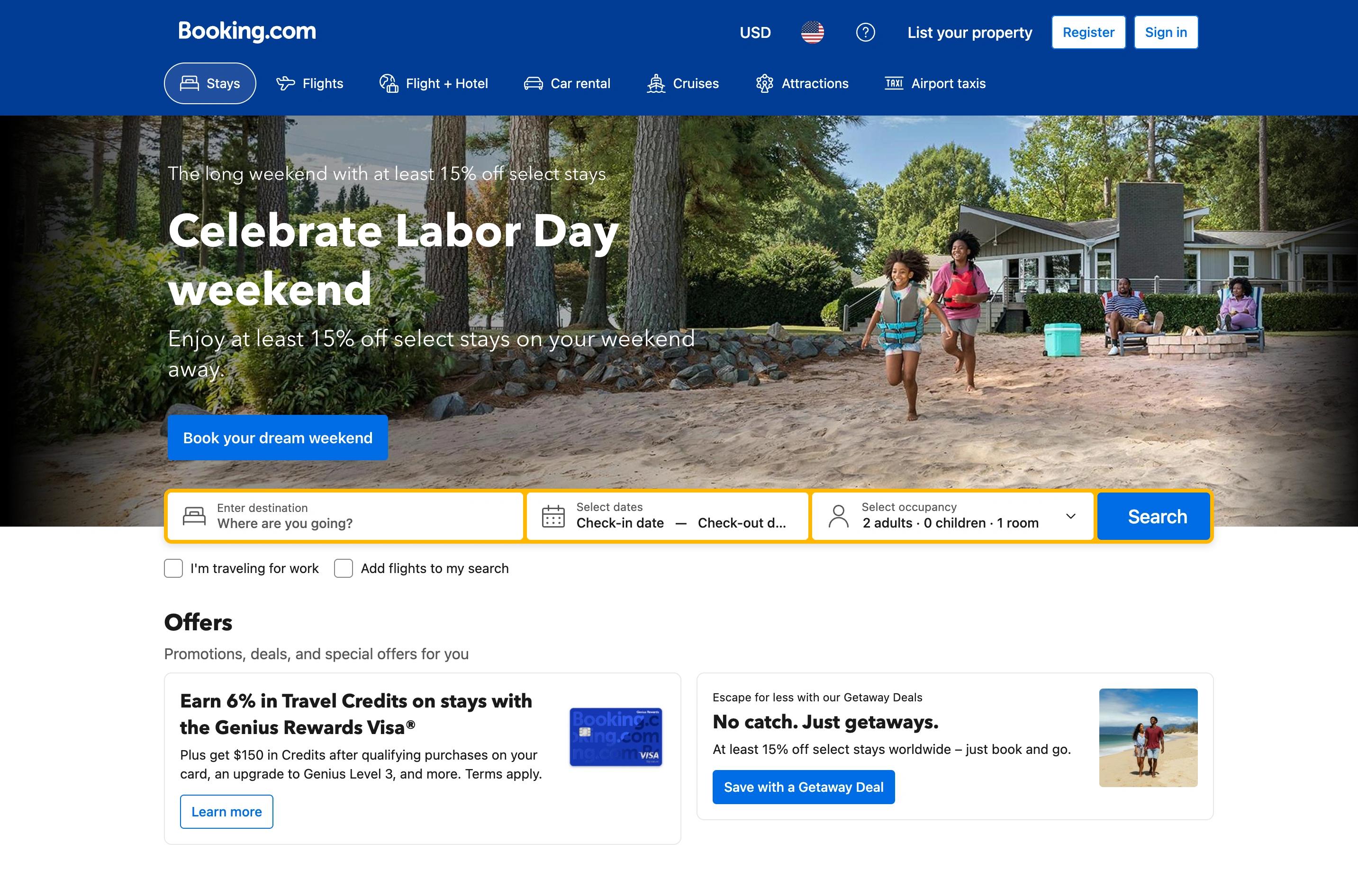
Accommodation inventory is one of the biggest differences between Booking.com and Trip.com.
Booking.com has built one of the largest lodging databases worldwide, covering millions of properties across hotels, resorts, apartments, villas, hostels, guesthouses, and vacation homes. Its strength comes from deep partnerships with independent hotels and smaller properties, especially across Europe.
For travelers visiting cities such as Paris, Rome, Amsterdam, Barcelona, London, or smaller European towns, Booking.com often provides a wider range of choices.
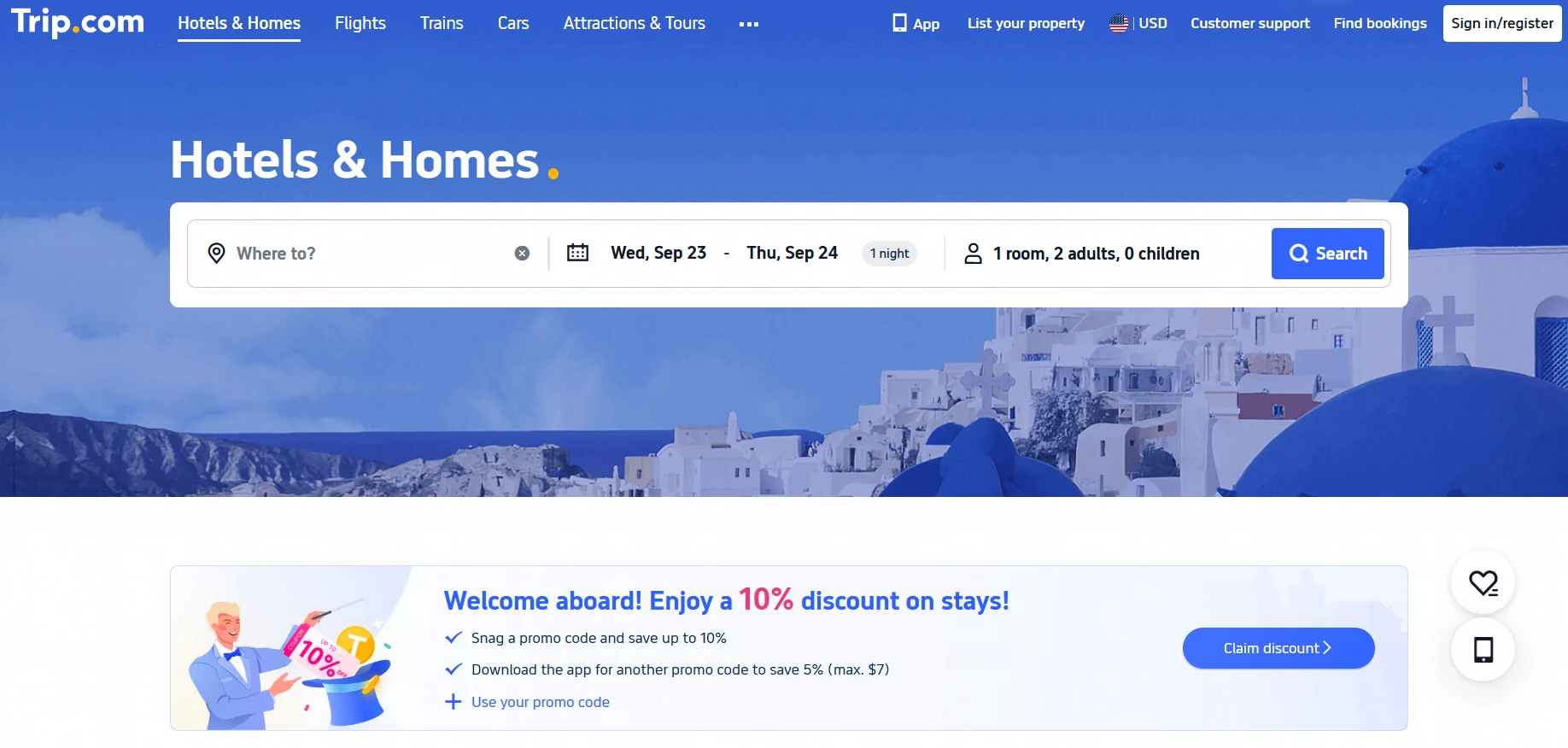
Trip.com has grown rapidly internationally and has a particularly strong presence in Asia-Pacific markets. It combines hotel inventory with flights, trains, attractions, and local experiences, making it popular among travelers visiting China, Japan, South Korea, Thailand, Singapore, and other Asian destinations.
Property Comparison
| Category Booking.com Trip.com Hotels Excellent global coverage Strong global coverage Luxury hotels Very Strong, especially Asia Apartments Extensive selection Growing inventory Hostels More options Limited compared with Booking.com Vacation rentals Very strong Available but smaller Boutique hotels Excellent Good Business hotels Excellent |
|---|
Regional Strength
| Region | Better Platform |
|---|---|
| Europe | Booking.com |
| North America | Booking.com |
| Asia | Trip.com |
| China | Trip.com |
| Japan & South Korea | Trip.com |
| Global backpacking travel | Booking.com |
| International business travel | Both |
For travelers who mainly need accommodation, Booking.com usually provides more variety. For travelers combining flights, hotels, trains, and attractions, Trip.com offers a more connected travel ecosystem.
Pricing and Fee Transparency
Price comparison between OTAs can be complicated because the displayed price is not always the final amount paid.
Both Booking.com and Trip.com show different pricing structures depending on the property, location, currency, and payment method.
Booking.com Pricing
Booking.com is known for displaying clear accommodation pricing, including options such as:
Pay now
Pay later
Free cancellation
Non-refundable discounts
Genius member discounts
Many hotels show taxes and fees during the booking process, although travelers should always review the final checkout page because local taxes, resort fees, city taxes, or additional charges may apply.
Booking.com also promotes price matching policies for eligible bookings.
Trip.com Pricing
Trip.com frequently competes aggressively on price, especially for:
Flights
Asian hotels
Package bookings
App-exclusive promotions
The platform often provides:
Mobile-only discounts
Coupon campaigns
Trip Coins rewards
Bundle savings
Trip.com may sometimes show lower prices because of negotiated hotel rates or promotional discounts.
User Interface and Booking Experience
Booking.com Experience
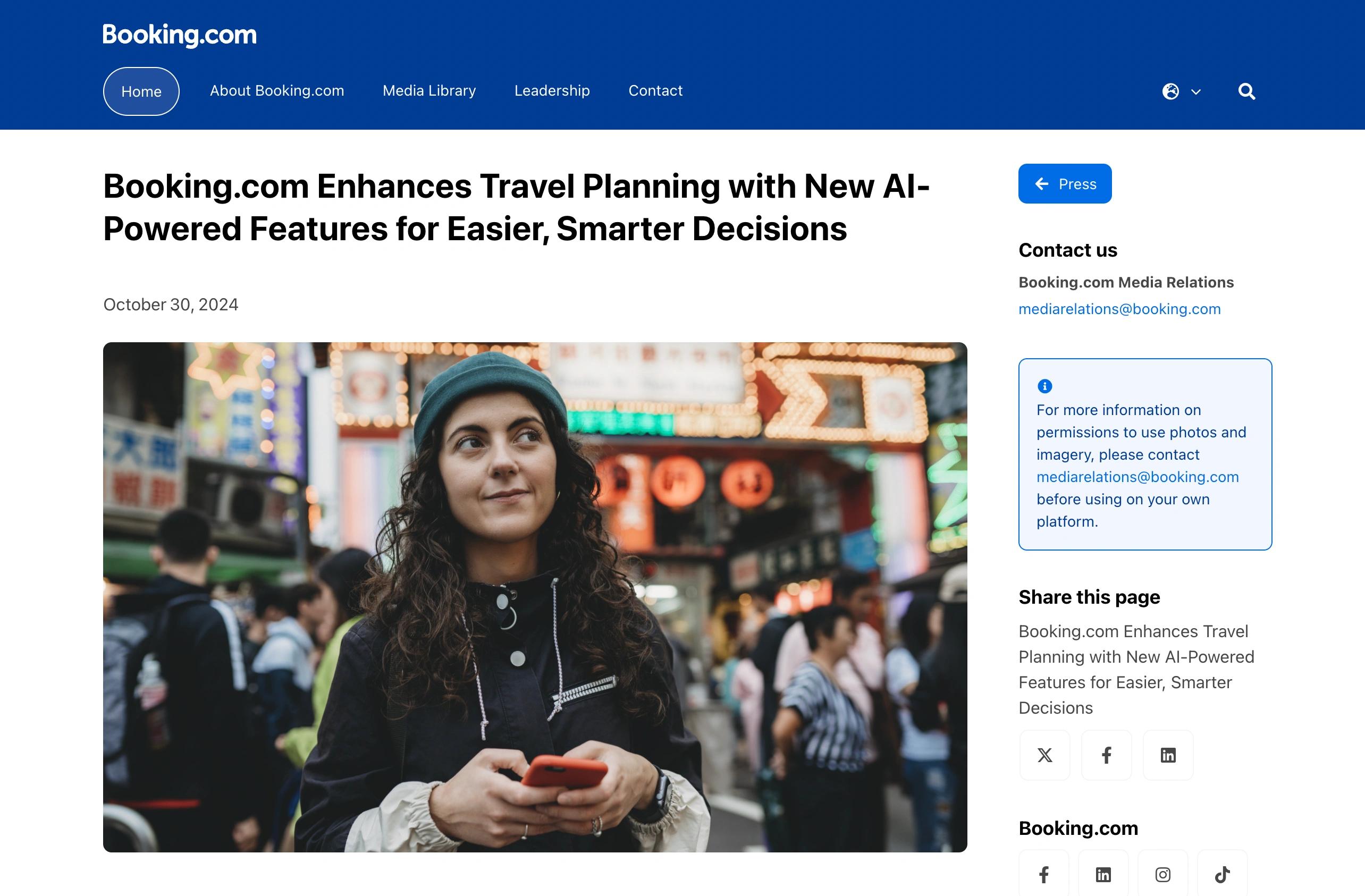
Booking.com has one of the most mature hotel search interfaces in the travel industry.
Useful features include:
Detailed filters
Large map view
Guest reviews
Property photos
Neighborhood information
Cancellation filters
Distance-based searches
The desktop version is especially useful for comparing many hotels at once.
The mobile app is fast and convenient, with booking management, digital confirmations, and Genius discounts integrated.
Trip.com Experience
Trip.com focuses heavily on mobile users.
The app combines:
Hotels
Flights
Trains
Attractions
Airport transfers
Travel guides
This makes it convenient for travelers planning complete trips.
Trip.com's flight search experience is one of its strongest areas because hotel and transportation options are connected in one place.
Interface Comparison
| Feature | Winner |
|---|---|
| Hotel filters | Booking.com |
| Map search | Booking.com |
| Flight booking | Trip.com |
| Mobile app deals | Trip.com |
| Complete itinerary planning | Trip.com |
Loyalty Programs: Genius vs Trip Coins
Booking.com Genius Program
Booking.com's loyalty system is called Genius.
It has three main levels:
Genius Level 1
Available after completing a qualifying number of stays.
Benefits may include:
Around 10% discount at participating properties
Access to member-only prices
Genius Level 2
Unlocked after additional stays.
Benefits may include:
Around 10% to 15% discounts
Free breakfast at selected properties
Free room upgrades at selected hotels
Genius Level 3
The highest level.
Benefits may include:
Larger discounts
Priority benefits at selected properties
Enhanced travel perks
Genius is simple because travelers receive automatic discounts without collecting points.
Trip.com Loyalty Program
Trip.com's rewards system uses membership levels and Trip Coins.
Travelers earn rewards from:
Hotel bookings
Flight bookings
Train tickets
Other travel purchases
Trip Coins can be used for future discounts.
Membership levels provide benefits such as:
Better discounts
Faster customer support
Additional travel perks
Exclusive promotions
Trip.com also promotes app-based rewards and travel credits.
Booking.com vs Trip.com: Complete Comparison Table
| Feature Booking.com Trip.com Primary Strength Hotel inventory Flights and travel bundles Best Region Europe and global hotels Asia-Pacific Loyalty Program Genius Trip Coins & membership rewards Payment Options Pay now, pay later, pay at property (property dependent) Pay now, installment/payment options depending on region Customer Support Chat, phone, help center 24/7 support, chat, phone Cancellation Usually managed easily through booking page Depends on supplier rules Mobile Experience Excellent Flights Available One of the strongest categories Vacation Rentals Very strong Growing Business Travel Strong |
|---|
Cancellation and Refund Policies
Cancellation experiences depend mostly on the hotel or airline's rules.
Booking.com Cancellation
Booking.com makes cancellation management simple.
Travelers can:
Open "Manage Booking"
View cancellation deadlines
Cancel eligible reservations
Request support
Many properties offer:
Free cancellation until a specific date
Flexible payment options
Pay-at-property options
However, refunds are usually processed according to the property's cancellation policy.
Trip.com Cancellation
Trip.com also provides booking management through its website and app.
Travelers can:
Modify reservations
Request cancellations
Track refund status
For flights, Trip.com handles many airline booking services directly, but refund timing depends on airline policies.
Cancellation Comparison
| Situation | Better Choice |
|---|---|
| Flexible hotel cancellation | Booking.com |
| Flight changes | Trip.com |
| Simple hotel refunds | Booking.com |
| Travel package management | Trip.com |
Bundling and Extra Services
Modern travelers often want more than just hotel bookings.
Booking.com Services
Booking.com offers:
Hotels
Flights
Rental cars
Attractions
Airport taxis
Its biggest strength remains accommodation.
Trip.com Services
Trip.com offers a wider travel ecosystem:
Hotels
Flights
Trains
Airport transfers
Car rentals
Attractions
Travel activities
eSIM services
For travelers planning complex international trips, Trip.com can reduce the need to use multiple websites.
One-Stop Travel Comparison
| Service | Better Platform |
|---|---|
| Hotels | Booking.com |
| Flights | Trip.com |
| Trains | Trip.com |
| Car rentals | Both |
| Attractions | Trip.com |
| Airport transfers | Trip.com |
Customer Support and Trust
Both platforms are established global OTAs with millions of users.
Booking.com has a long reputation in hotel reservations and benefits from its large global network. Its customer support experience can vary depending on whether the issue needs hotel involvement or platform assistance.
Trip.com has invested heavily in 24/7 customer support, especially for international travelers using its app.
Common complaints for both platforms usually involve:
Refund delays
Property disputes
Cancellation misunderstandings
Communication issues with hotels
Travelers should always read cancellation rules and property reviews before booking.
Booking.com Pros and Cons
Pros
Massive global hotel inventory
Excellent European coverage
Strong apartment and vacation rental selection
Detailed reviews and filters
Easy cancellation management
Strong Genius discounts
Cons
Flight booking is not its strongest category
Some properties manage issues directly
Prices are not always the lowest
Trip.com Pros and Cons
Pros
Excellent flight booking options
Strong Asia coverage
Great mobile app experience
Useful travel bundles
Competitive promotions
Trip Coins rewards
Cons
Hotel inventory may be smaller in some Western destinations
Loyalty system requires more engagement
Some users prefer hotel-focused platforms
Final Verdict: Who Should Use Which?
Budget Travelers
Choose Booking.com if:
You want the widest range of affordable hotels, hostels, apartments, and guesthouses.
Choose Trip.com if:
You are looking for flight deals, package discounts, or Asia travel promotions.
Luxury Travelers
Booking.com is excellent for luxury hotels because of its huge global hotel network.
Trip.com is also strong, especially for luxury hotels in Asia.
Business Travelers
Both platforms work well.
Booking.com is better for finding accommodation quickly worldwide.
Trip.com is useful for combining flights, hotels, and transportation.
Solo Travelers
Booking.com often works better because of its extensive reviews, maps, and accommodation choices.
Overall
There is no single winner for every traveler.
Choose Booking.com for hotel variety, flexible stays, and global accommodation searches.
Choose Trip.com for flights, Asia travel, rewards, and complete trip planning.
Many experienced travelers compare prices on both platforms before booking because the best deal depends on destination, travel dates, and available promotions.
Some links on this page are affiliate links. If you book through one we may earn a commission, at no extra cost to you. It never affects our ratings, our rankings, or the price you pay.