Economy vs Basic Economy: What’s the Difference?
The difference between economy vs basic economy usually comes down to ticket restrictions rather than the seat itself.
The difference between economy vs basic economy usually comes down to ticket restrictions rather than the seat itself. Both fares typically place you in the same economy cabin, but basic economy often limits seat selection, baggage allowances, flight changes, boarding priority, and frequent flyer benefits.
That cheaper ticket can be excellent value when you travel light and your plans are firm. However, adding a bag and choosing seats can shrink the savings quickly.
Before booking, the useful question is: What does the cheaper fare remove, and will you need those benefits? Here is how to compare the options and choose the right ticket for your trip.
What Is Standard Economy?

Standard economy is an airline’s regular economy fare, usually offering more benefits and flexibility than its cheapest basic option. Depending on the carrier, it may appear as Economy, Main Cabin, Classic, or Standard.
You normally receive an economy seat, the cabin’s usual onboard service, and the baggage allowance attached to that fare. Advance selection of an ordinary seat is often included, although preferred locations and extra legroom may cost more.
Standard economy does not automatically mean refundable. A ticket might allow changes without a change fee while still requiring you to pay any increase in airfare.
Similarly, checked baggage is not universally included. Standard economy on a domestic flight may charge for checked bags, while an international fare may include an allowance.
What Is Basic Economy?
Basic economy is usually a restricted fare within the economy cabin. Airlines offer a lower price in exchange for fewer choices and tighter ticket conditions.
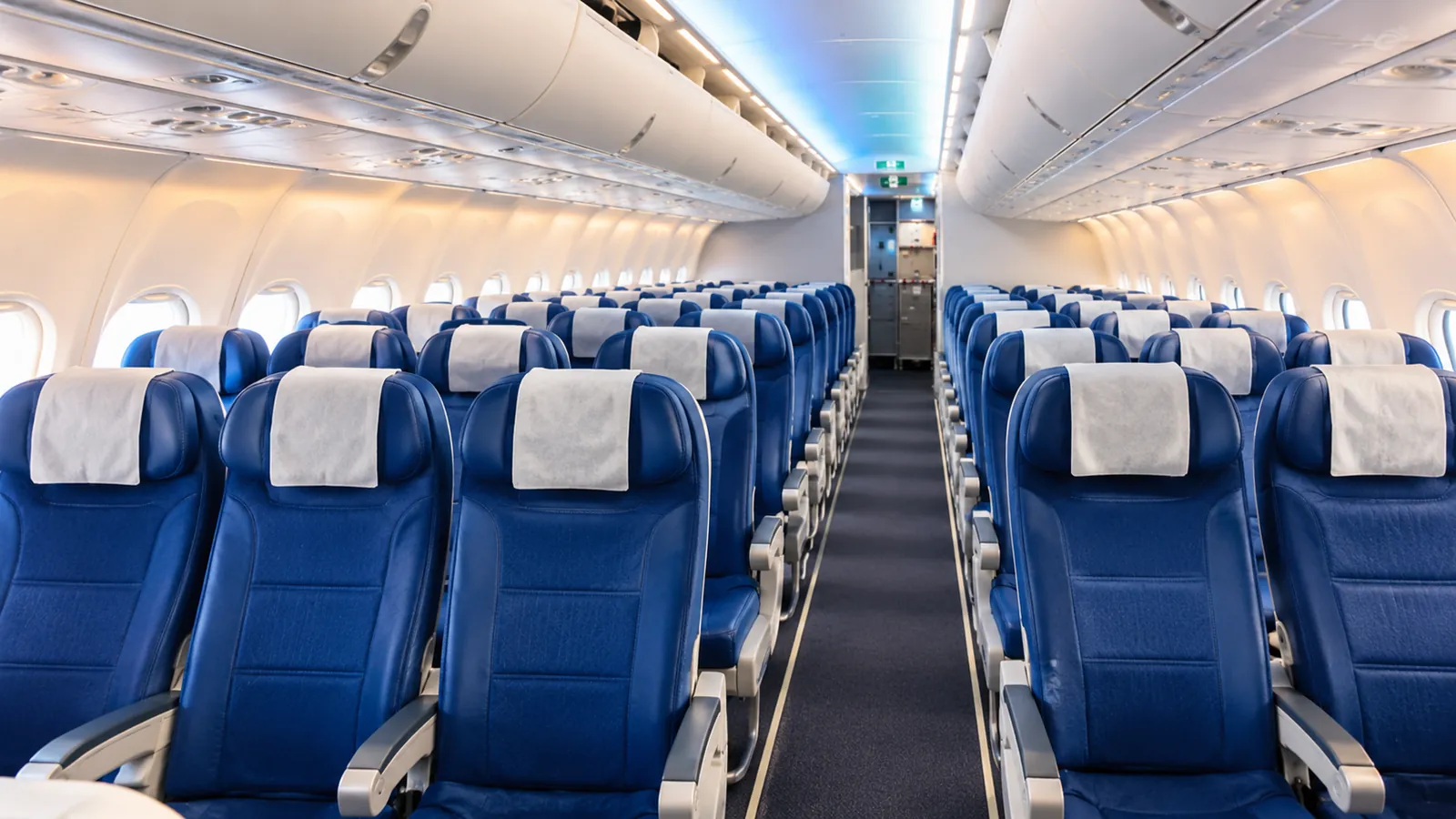
The seat itself is generally the same type available to standard economy passengers. You are primarily giving up flexibility, control over seating, and sometimes baggage or loyalty benefits.
Common restrictions include:
Automatic seat assignment unless you pay to choose.
Later boarding, subject to applicable exceptions.
Reduced baggage allowances on some airlines.
Limited changes or cancellation options.
Reduced mileage earning or upgrade eligibility.
There is no universal basic economy policy. Airlines can apply different conditions according to the route, departure country, ticket purchase date, and loyalty benefits.
Economy vs Basic Economy Comparison Table
The following table describes common differences. Always use the fare conditions displayed for your specific itinerary as the deciding reference.
| Feature | Basic economy | Standard economy |
|---|---|---|
| Cabin | Usually the regular economy cabin | Regular economy cabin |
| Seat size | Generally the same standard seat | Generally the same standard seat |
| Advance seat selection | Often costs extra or is restricted | Ordinary seats often included |
| Personal item | Usually included, within size limits | Usually included, within size limits |
| Overhead carry on | Airline and route dependent | Commonly included on full service airlines |
| Checked baggage | May cost extra | May also cost extra |
| Boarding | Often a later group | Usually fewer boarding restrictions |
| Voluntary flight changes | Restricted, unavailable, or subject to fees | Often more flexible |
| Cancellation credit | May be unavailable or reduced by a fee | Often available on eligible tickets |
| Cash refund | Generally unavailable voluntarily | Usually requires a refundable fare |
| Miles and upgrades | Benefits may be reduced or excluded | Usually broader eligibility |
| Onboard food and entertainment | Generally the normal economy offering | Normal economy offering |
The Main Differences Explained
Seat Selection and Sitting Together
Basic economy often means accepting the seat assigned by the airline. Selecting an aisle, window, or adjacent pair of seats may require payment.
Standard economy usually provides more opportunity to choose an available ordinary seat before departure. However, seats near the front, exit rows, and extra legroom seats can still carry additional charges.
American Airlines currently allows basic economy passengers to buy a seat assignment, otherwise assigning seats free at check in. Delta also offers paid advance assignments on eligible wholly domestic basic economy itineraries, with availability and restrictions.
Basic economy does not guarantee a middle seat. You could receive an aisle or window seat, but you have less control if you leave assignment to the airline.
For families, check the carrier’s child seating policy separately. A policy helping a child sit beside an adult does not necessarily promise that your entire group will occupy one row.
Carry On Bags and Personal Items
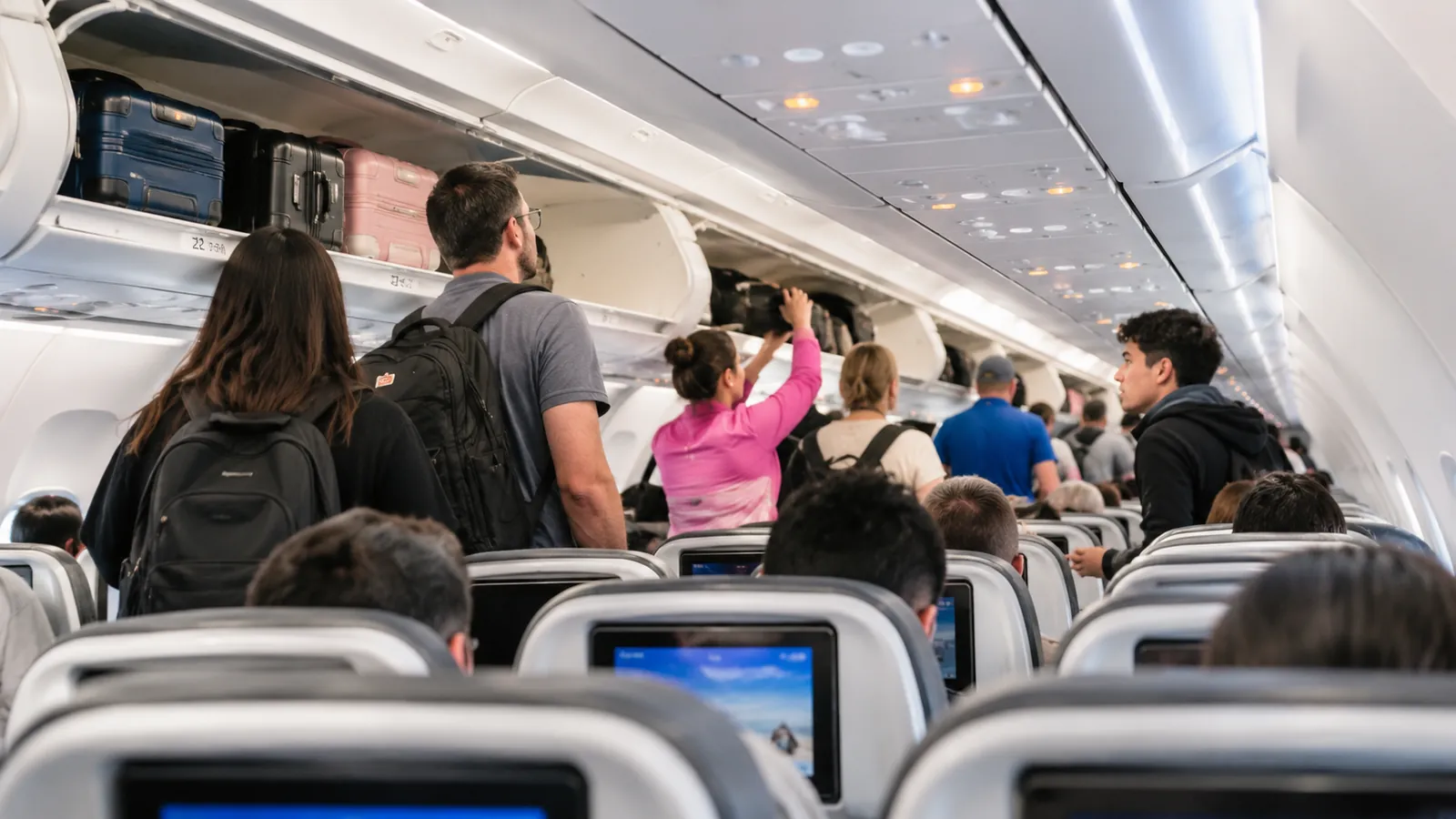
A personal item and an overhead carry on are different allowances. A personal item fits beneath the seat, while a larger cabin bag normally goes in an overhead bin.
Do not assume basic economy excludes both, or that every basic fare includes both. American Airlines, for example, includes one carry on and one personal item in its basic economy allowance.
Delta’s basic economy offering also permits a carry on, although overhead space can be limited. These examples show why baggage rules must be checked by airline rather than inferred from the fare name.
Measure your bag, including wheels and handles, before traveling. A suitcase marketed as “cabin size” may still exceed your airline’s permitted dimensions.
Checked Baggage Fees
Both basic and standard economy can charge for checked baggage. The difference may involve the number of included bags, the fee, or whether a particular route includes an allowance.
American’s published 2026 changes illustrate this distinction: eligible domestic basic economy tickets purchased from May 18 have higher first and second checked bag fees than its regular domestic fee schedule. Purchase date and applicable exemptions matter. For an international trip, inspect the baggage allowance for the actual ticket. Neither “international flight” nor “standard economy” guarantees a free suitcase across all airlines and destinations.
Also compare weight limits. Paying for one bag does not remove overweight or oversized baggage charges.
Flight Changes and Cancellation
This is often the most valuable difference, particularly when travel dates are uncertain. Standard economy frequently provides more options to change or cancel a booking.
Basic economy restrictions vary considerably. Some tickets offer limited cancellation credit after a deduction, while other changes may be unavailable or permitted only under specific conditions.
American, for example, allows qualifying AAdvantage members to cancel certain basic economy bookings for travel credit after paying a fee. Eligibility includes booking and itinerary requirements, so the option does not apply to every passenger. A waived change fee does not mean a free replacement flight. If your new ticket costs more, you generally pay the fare difference.
Cancellation credit is also different from a cash refund. Check its expiry date, passenger restrictions, and any deadline for canceling before departure.
Boarding Priority
Basic economy often comes with later boarding, although loyalty status, eligible cards, or other benefits may alter your group. Standard economy may improve your position without providing true priority boarding.
Later boarding matters most when you have an allowed overhead bag. Even with a valid allowance, full bins may require staff to check the bag.
Keep medication, travel documents, valuables, and items subject to cabin carriage requirements accessible. You should be able to remove them quickly if your larger bag must be checked.
Meals, Entertainment, and Legroom
Passengers sitting in ordinary economy seats generally receive the same route dependent onboard service regardless of whether they bought basic or standard economy. Paying for standard economy does not automatically improve the meal or entertainment.
Seat comfort depends mainly on the aircraft and the seat selected. Standard economy does not inherently provide wider seats or extra legroom.
Premium economy and extra legroom seating are separate products. If comfort is your priority, compare those options rather than assuming a less restricted economy fare changes the physical seat.
How Much Cheaper Is Basic Economy?
There is no fixed discount. The price difference depends on the airline, route, departure date, demand, and available fares.
A modest saving can be worthwhile for a short solo trip with no extras. The same saving may disappear when you add seat selection across several flights.
Consider this illustrative example, not an airline price quotation:
| Expense | Basic economy | Standard economy |
|---|---|---|
| Return airfare | $240 | $310 |
| Selected seats for both directions | $40 | $0 |
| Checked baggage for both directions | $70 | $70 |
| Total | $350 | $380 |
The advertised saving is $70, but the saving after selected seats is $30. Checked baggage costs the same in this example, showing why standard economy should not automatically be treated as an inclusive bundle.
For connecting itineraries, check whether seat charges apply per flight segment. Four individual flights can make a small seat fee surprisingly expensive.
How to Compare and Book the Right Fare
Step 1: Compare the Same Itinerary
Select the exact flights you want, then compare the available fare options. Different departure times or connections can distort the comparison.
Confirm whether the displayed price covers one direction or the complete return trip.
Step 2: Read the Fare Details
Look for baggage, seating, changes, cancellation, and mileage earning. Expand the restrictions before accepting the cheapest option.
If booking through a travel website, confirm the airline’s actual fare name. A broad “economy” label may conceal a basic economy ticket.
Step 3: Add the Extras You Need
Include seat fees, checked bags, and any permitted paid cabin baggage. Calculate the cost for every passenger and direction.
Only price benefits you genuinely need. Someone happy with an assigned seat should not compare fares as though paid seat selection were essential.
Step 4: Consider Whether Plans Might Change
Think about uncertain work commitments, pending travel documents, or an event whose date could move. Flexibility becomes more valuable when your departure is not settled.
Read what happens if you cancel voluntarily before departure. Do not rely solely on a booking page’s brief “flexible” description.
Step 5: Check Existing Benefits and Save the Terms
Review any relevant loyalty or airline card benefits before paying. Confirm that they apply to your fare, itinerary, and booking method.
Save your confirmation and the fare conditions. This gives you a clear record of the allowances and restrictions accepted at purchase.
When Basic Economy Makes Sense
Basic economy can suit travelers whose needs match its restrictions. It is particularly useful when the saving remains substantial after necessary extras.
Consider it when:
Your dates are firm.
You travel alone or do not need adjacent seats.
Your luggage fits the included allowance.
You are comfortable accepting an assigned seat.
Mileage earning and upgrades are not priorities.
A short visit with a small backpack is an obvious candidate. You can receive the same ordinary economy seat without paying for benefits you will not use.
When Standard Economy Is Worth Paying For
Standard economy becomes more attractive when seating control or flexibility matters. It can also offer better value once basic economy extras are added.
Consider paying more when:
You want to select an ordinary seat early.
Your schedule could change.
Your group needs greater seating choice.
The included baggage allowance better matches your luggage.
You value the fare’s loyalty benefits.
For a long overnight journey, an aisle or window seat can matter more than on a brief flight. Compare standard economy with basic economy plus your preferred seat before deciding.
Practical Tips Before You Fly
Paying for a seat may not change your fare rules. A seat purchase can leave the original baggage, cancellation, and change restrictions intact.
Check the operating airline on partner bookings. Its aircraft and airport procedures may differ from those of the airline selling the ticket.
Do not assume outbound and return flights have identical allowances. Read each direction, especially when different carriers are involved.
Finally, basic economy restrictions describe your purchased fare benefits. If the airline disrupts the flight, review its disruption options separately rather than assuming voluntary cancellation restrictions answer the situation.
Frequently Asked Questions
Is basic economy the same seat as economy?
Usually, both use ordinary seats in the same economy cabin. The principal differences concern ticket benefits and restrictions, although your ability to select a particular seat may differ.
Does basic economy include a carry on bag?
It depends on the airline and itinerary. Check separately for an underseat personal item and an overhead cabin bag, including their dimensions.
Does standard economy include checked baggage?
Not always. Some fares include checked luggage, while others charge for it, particularly on domestic routes.
Can I choose a seat with basic economy?
Sometimes, for an additional fee and subject to availability. Otherwise, the airline normally assigns a seat according to its procedures.
Can I change a basic economy ticket?
Possibly, but restrictions can be substantial. Read the conditions for your route and purchase date, including fees, fare differences, and any permitted cancellation credit.
Is standard economy refundable?
Not automatically. A regular economy ticket may offer changes or travel credit while remaining nonrefundable; a cash refund generally requires an eligible refundable fare or another qualifying circumstance.
Is basic economy worth it for families?
It can be, provided baggage costs and seating arrangements work for your family. Check child seating policies and compare the total price before assuming either fare is better.
Verdict: Compare the Benefits You Will Actually Use
Basic economy is a sensible choice when your plans are firm, your luggage fits, and seat location is unimportant. Standard economy deserves consideration when you need greater seating choice, flexibility, or benefits that would otherwise cost extra.
Compare the complete trip price alongside the ticket conditions. The better fare is the one that meets your needs at an acceptable total cost, not necessarily the one with the lowest opening price.
Some links on this page are affiliate links. If you book through one we may earn a commission, at no extra cost to you. It never affects our ratings, our rankings, or the price you pay.