How to Book a Flight With a Child
Knowing how to book a flight with a child starts with one question: will your child travel on your lap or in their own seat?
Knowing how to book a flight with a child starts with one question: will your child travel on your lap or in their own seat? That choice affects the fare, seating, baggage, and what you need to do during booking. Add an international trip or a connecting flight, and there are a few more details to check before you pay.
The process is manageable once you take it in order. First, choose the right passenger type. Then compare the total family cost, confirm where everyone will sit, and check the documents your child needs. This guide walks through each step and covers the common problems that catch parents by surprise.
How Child Flight Bookings Work

Airlines generally separate young travelers into two booking categories: infants under 2 and children aged 2 or older. An infant may be able to travel on an adult’s lap, while a child aged 2 or older needs their own ticket and seat. The exact fares, age bands, and conditions depend on the airline and route.
Even if a lap infant does not have a separate seat, you must add them to the reservation. Do not assume that arriving at the airport with your baby is enough. Airlines need the infant’s details in advance, and international travel may involve an infant fare or taxes.
If your child turns 2 during the trip, check the rules for every flight before booking. They may be able to travel as a lap infant on the outbound flight but need their own seat on flights after their second birthday. Some booking systems cannot handle that combination online, so you may need to contact the airline.
Should You Book a Seat for a Baby Under 2?
A lap infant usually costs less, particularly on a domestic flight. A separate seat gives the child their own space and lets you use an approved child restraint when the airline and aircraft allow it.
For safety, the U.S. Federal Aviation Administration recommends an approved child restraint for children under 2 rather than holding them on a lap. If you plan to bring a car seat, check its aircraft approval label, dimensions, and the operating airline’s placement rules before buying the ticket.
How to Book a Flight With a Child: Step by Step

1. Check Ages on the Travel Dates
Work out each child’s age on the date of every flight, not just the date you book. This matters most for infants close to their second birthday and for older children near an airline’s unaccompanied minor age limit.
If a baby has not been born yet, ask the airline how to add them later rather than entering a placeholder name. Keep the airline’s reply or instructions with your booking details.
2. Compare Flights That Work for Your Family
A low fare is less useful if it comes with a difficult overnight connection or leaves little time to change terminals with a stroller. Compare departure times, connection length, airport changes, and arrival time alongside the price.
For each option, ask yourself:
Can your child reasonably manage the travel and waiting time?
Is the connection long enough for a diaper change, food, and a possible gate change?
Does the itinerary involve more than one airline?
Is the fare flexible if your plans change?
Will you have enough hands to manage luggage and children during a transfer?
A nonstop flight can be worth paying more for, especially with a baby or toddler. If you do choose a connection, leave more time than you would when traveling alone.
3. Select the Correct Passenger Types
Enter the number of adults, children, and infants in the flight search. If the site offers a choice between “infant on lap” and “infant in seat,” select the one you intend to use.
Do not book a seat for a baby by simply choosing “adult” unless the airline tells you to do so. Passenger types affect ticketing and safety arrangements, and some airlines require a phone booking for an infant’s separate seat.
When booking through a travel agency or comparison site, check that the infant appears on the final itinerary. If anything is unclear, contact the agency or airline before travel.
4. Enter Names and Birth Dates Carefully
Type each child’s name as it appears on the document they will use to travel. For international flights, compare the booking directly with the passport. Check spelling, surname order, and date of birth before payment.
If the child and accompanying adult have different surnames, that alone does not prevent travel. It does make it sensible to carry a document showing your relationship, particularly for an international trip. Destination authorities may have additional requirements.
5. Choose Seats and Check the Seating Policy
Before paying, look at the seat map and the airline’s family seating policy. Being on the same reservation helps, but you should still check the actual seat assignments once the booking is confirmed.
For U.S. airlines, the Department of Transportation provides a dashboard showing which airlines commit to seating a child aged 13 or under next to an accompanying adult without an extra fee, subject to conditions. Policies differ, so check the airline you are flying rather than assuming every fare works the same way.
If you cannot choose adjacent seats online, contact the airline soon after booking. Ask what it can assign now and when you should check again. Save any written confirmation.
6. Compare the Full Price and Complete Payment
Look beyond the first fare shown in search results. Calculate the price for every traveler, including any infant charge, seat selection, checked bags, and fees tied to the fare.
Read the change and cancellation terms before paying, especially if you are booking far ahead. Once payment is complete, check that the confirmation lists every traveler and every flight. Keep the booking reference where you can find it quickly.
What Documents Does a Child Need to Fly?
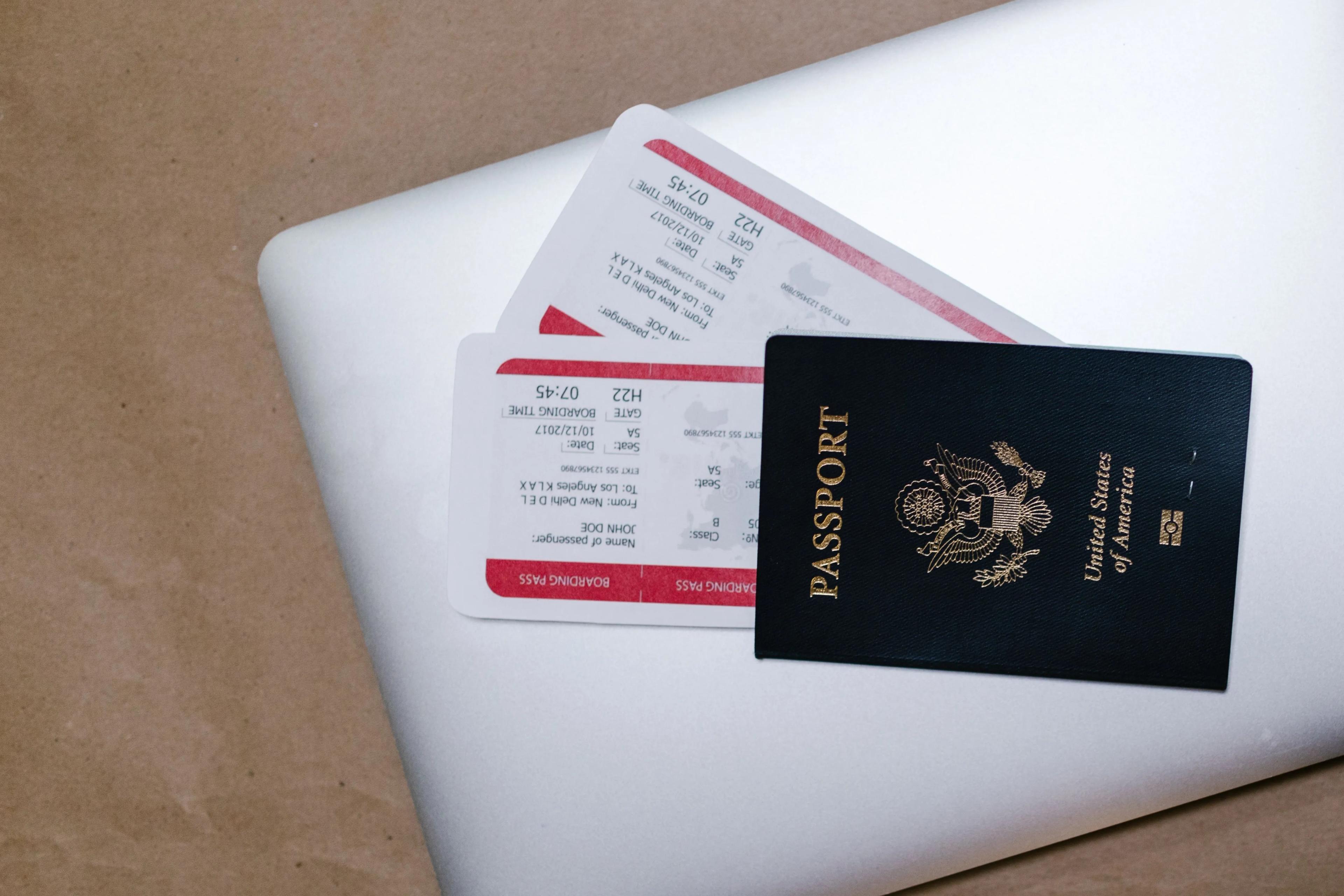
Document rules depend on the child’s nationality, route, and destination. Check them before booking an international flight, since getting a passport or other required document can take time.
For a domestic flight within the United States, the TSA does not require children under 18 to show identification at the security checkpoint when traveling with an adult. The airline may still have its own requirements, including proof of age for a lap infant.
For international travel, check each traveler’s passport, visa, entry rules, and any transit requirements. A child needs their own travel documents. If the child travels with one parent, another relative, or a guardian, check whether the countries involved require a consent letter or custody documents. Requirements vary by destination.
Child’s passport: Check its expiry date and destination validity rules.
Visa or entry permission: Check both the destination and any transit country.
Proof of relationship: Consider carrying a birth certificate or relevant legal document.
Travel consent: Check whether it is required when one or both parents are absent.
Medical or other records: Bring any documents specifically required for your trip.
Seats, Bassinets, Car Seats, and Baggage
Sitting Together
If sitting together is essential, address it while booking. Check whether seats can be selected immediately and whether your fare includes that choice. After booking, open the airline’s reservation page to confirm that the assignments were saved.
Flight changes can affect seat assignments. Check again when the airline changes an aircraft or schedule and when online check-in opens. If your family has been separated, contact the airline before departure and speak to staff at the airport if it remains unresolved.
Requesting a Bassinet
On some longer flights, airlines offer bassinets for eligible infants. Availability, size limits, and booking methods vary. A bassinet may require a particular seat, and requesting one does not always mean it is confirmed.
Contact the operating airline after booking to ask how requests are handled. Also plan for times when the baby cannot use the bassinet, such as takeoff, landing, or periods when the crew instructs you to hold them.
Bringing a Car Seat or Stroller
If your child will use a car seat on board, confirm that it is approved for aircraft use and fits the airline’s seat rules. Ask where it can be installed, since safety rules may rule out certain rows or positions.
Stroller and car seat checking allowances differ by airline and fare. Before departure, find out whether you can take the stroller to the gate, where you will collect it after landing, and what happens during a connection. That last detail is particularly useful if you need the stroller between flights.
Booking a Flight for a Child Traveling Alone
If the child will fly without an accompanying adult, do not use a standard child booking until you have read the airline’s unaccompanied minor policy. Airlines set their own minimum ages and decide whether the service is required or optional for different age groups.
The policy may restrict connections, overnight flights, or travel on partner airlines. You will usually need to provide details for the adults dropping off and collecting the child, and a service fee may apply.
Call the airline before paying if the route includes a connection or another carrier. Confirm that every flight on the itinerary accepts the child under the applicable rules.
Common Booking Mistakes to Avoid
Small booking errors are much easier to fix before departure day. Give yourself a few minutes to check these points at the payment screen and again when the confirmation arrives.
Leaving off a lap infant. Add the baby to the reservation even without a separate seat.
Choosing the wrong age category. Use the child’s age on each flight date.
Assuming seats are together. Verify the assigned seat numbers.
Ignoring the operating airline. A partner airline may have different infant, car seat, or baggage rules.
Comparing only base fares. Include seats, bags, and child-related charges.
Waiting until check-in to raise a seating problem. Contact the airline as soon as you spot it.
If you discover an error, use the contact details in your booking confirmation promptly. Keep a record of the correction and review the updated itinerary when it arrives.
Pro Tips for an Easier Family Flight Booking
Book adults and children on the same reservation when possible. It makes the relationship between travelers clear to the airline and helps when you request seats together.
Check each flight separately on a mixed-airline trip. The airline operating the aircraft usually controls practical details such as boarding, bassinets, and where a car seat may go. Confirm those details for both the outbound and return flights.
Choose a manageable arrival time. A fare that lands late at night may create a harder journey than a slightly more expensive daytime flight. Think about the trip from the airport to your accommodation too.
Keep essential supplies in your cabin bag. Pack what you would need if a checked bag arrives late. For U.S. departures, TSA permits formula, breast milk, toddler drinks, and baby food in carry-on quantities above the usual 3.4-ounce liquid limit, subject to screening. Rules elsewhere may differ.
Recheck the booking before travel. Review names, flights, seats, baggage, and document requirements a few days before departure. This gives you time to address changes while you can still contact the airline from home.
Frequently Asked Questions
Can I book a flight for my child without booking a seat?
If your child is under 2, many airlines allow them to travel as a lap infant with an eligible adult. You still need to add the infant to the booking. Children aged 2 or older generally need their own ticket and seat.
Are flights free for babies?
Do not assume so. The price depends on the airline and route, and international lap infant travel may involve a fare or taxes. Check the total shown before paying.
How do I make sure I sit next to my child?
Book together, check the seat map, and read the airline’s family seating policy. If adjacent seats do not appear in your confirmation, contact the airline early and check the assignments again if the flight changes.
Does my baby need a passport for an international flight?
Check the passport and entry rules for your child’s nationality and destination. Children need their own required travel documents; being listed on an adult’s flight reservation is not a substitute for them.
Can I bring a car seat on the plane?
Usually you can use an approved child restraint if your child has a separate seat, but aircraft, placement, and approval rules apply. Confirm the requirements with the operating airline before bringing it to the cabin.
What if my child turns 2 between the outbound and return flights?
Ask the airline how to ticket the trip. Your child may need their own seat for flights on or after their second birthday, even if they traveled on your lap earlier in the journey.
Can a child fly with only one parent?
Often, yes, but document requirements vary by country. Check the destination and transit rules for proof of relationship, custody documents, or a consent letter before you travel.
Verdict
To book a flight with a child, start with their age and seating needs, then compare the full cost of suitable flights. Add every child or infant to the reservation, check that seats are together, and confirm the documents required for the entire route.
The most valuable final check is your booking confirmation. If every traveler, flight, and seat is correct, you can focus on preparing for the journey instead of sorting out ticket problems at the airport.
Some links on this page are affiliate links. If you book through one we may earn a commission, at no extra cost to you. It never affects our ratings, our rankings, or the price you pay.