If Your Flight Is Delayed, What Happens to Your Connecting Flights?
If your flight is delayed, what happens to your connecting flights? The answer depends chiefly on how you booked them.
The answer depends chiefly on how you booked them. When both flights are part of one ticket, the airline will generally arrange another way to get you to your final destination if its delay makes you miss the connection. When you bought separate tickets, the second airline may treat you as a passenger who missed their flight.
That distinction matters more than whether the planes have the same logo. Partner airlines can carry different legs of one protected itinerary, while two flights on the same airline can still be separate bookings. Here is how to work out your position, act before the connection departs, and ask for the right help.
First, Check Whether You Have One Ticket or Separate Tickets
A single ticket covers your journey through the connecting airport to your final destination. It might involve one airline, a partner airline, or a codeshare flight. If the first flight arrives too late for the second, the airline handling your itinerary should help arrange onward travel under its conditions and the rules that apply to your route.
Air India, for example, says it will place passengers on the next available flight for the remaining journey when a delayed Air India flight causes a missed onward connection on the same booking. Availability still matters: the next seat might be later that day or the following day.
Separate tickets create a different problem. Your first airline is responsible for its flight, but the second airline may have no obligation to protect the connection between the two purchases. Even an email from a booking website that displays both flights together does not, by itself, establish that they form one ticket. Check the ticket details or ask the seller directly. European Commission guidance distinguishes directly connecting flights from consecutive flights bought on separate tickets.
If you are unsure what you bought, look for the electronic ticket numbers and itinerary details in your confirmation, then ask the airline or travel agent whether the flights are covered as one connecting journey. A single payment or booking website confirmation can be misleading when a seller has combined separate tickets.
What Happens When the Delay Starts?
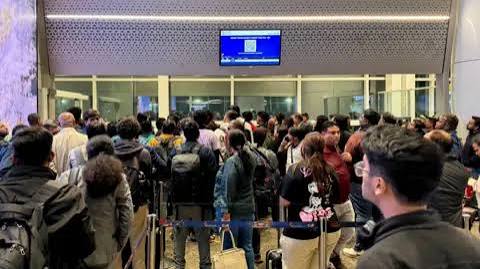
A delayed departure does not always mean a missed connection. Your first flight may regain time in the air, the onward flight may also be delayed, or your original layover may have enough room to absorb the disruption.
Watch the estimated arrival time, the connecting flight’s departure time, and its boarding deadline. Boarding often closes before the published departure time. You may also need time for a terminal change, security screening, immigration, or a bus to a remote gate.
Airlines sometimes identify passengers whose connections are at risk and arrange a new itinerary before they land. You might receive a notification in the app, a text message, an email, or a new boarding pass. Do not assume the change is complete until you can see a confirmed flight and seat or obtain confirmation from staff.
Nor should you assume the airline will hold the connecting plane. It may do so in some circumstances, but departure decisions depend on operational needs and the effect on other passengers.
If You Can Still Make the Connection
Check the airport map and your new gate as soon as you have reliable arrival information. Tell the cabin crew if you have a tight connection; they may be able to advise you about the arrival gate or transfer process.
Once you land, follow the airport’s transfer signs and any instructions from airline staff. Go straight to the gate if you already have your boarding pass and do not need to collect a bag or pass through another check in process. If the gate has closed, move to rebooking rather than arguing with gate staff about departure time.
If You Have Already Missed It
Open the airline app while walking to a transfer desk or service counter. You may find that you have already been moved to another flight. Check the date, airport, destination, and every remaining leg before accepting the new plan.
On a single ticket, explain that the delayed inbound flight caused the missed connection and ask for the earliest workable route to your final destination. On separate tickets, contact the onward airline promptly and ask whether it can move you, charge a fare difference, or offer another option under its ticket rules.
How to Get Rebooked: A Step by Step Guide
1. Save Your Original Itinerary
Keep your booking confirmation, ticket numbers, boarding passes, and baggage receipt. Take screenshots showing the delay and any automatic rebooking. These records help staff find the affected journey and may support an insurance or passenger rights claim later.
2. Use More Than One Airline Contact Channel
Check the app and contact the airline through its official phone or chat service while heading to its desk. Airport queues can grow quickly after a disruption. If you booked through an agent, contact the agent as well when the airline directs you there or the booking cannot be changed in the app.
3. Ask for a Confirmed Route to Your Final Destination
Say: “My inbound flight was delayed and I missed my connection on this ticket. What is the earliest confirmed itinerary to my final destination?”
Ask whether a different route, connecting city, or partner airline is available. Be open to an alternative that actually works for your travel documents and arrival plans. A route through another country may require permission to transit or enter it.
4. Check Every Detail Before You Leave the Counter
Verify the flight numbers, travel dates, airports, names, and seats. Ask what happens to later flights on the itinerary, including your return. If you are being moved to another airline, ask how you will receive its boarding pass.
Also confirm where your checked bag is going. A bag may follow the new routing, need to be collected, or arrive later. The answer depends on the airport, airline, and stage of the journey.
5. Ask About Food and an Overnight Stay
If the replacement flight is hours away, ask what assistance applies. Meal vouchers, hotels, and transport can depend on the route, the cause of the delay, and the airline’s commitments.
For flights covered by European passenger rights rules, care may be due during qualifying delays, with accommodation and transport when an overnight stay is necessary. In the United States, airline commitments for controllable disruptions vary; the Department of Transportation provides a dashboard to check them.
6. Keep Receipts and Follow Up in Writing
If staff cannot provide a voucher and you must buy essentials, choose reasonable expenses and keep itemized receipts. Record what staff told you, including the time and the channel you used. Submit any reimbursement or compensation request through the airline’s official process after you reach your destination.
Will You Have to Pay for Another Flight?
With a protected connection on one ticket, you would generally expect the airline to arrange onward travel when its disrupted flight causes the missed connection. The exact solution depends on the ticket, the operating airlines, applicable law, and available seats. Air India’s published policy gives a concrete example of rebooking on the next available flight after a missed connection on the same booking.
With separate tickets, you may have to pay a change fee, a fare difference, or the price of a new ticket. Contact the onward airline before its flight leaves if possible. Its fare rules or a voluntary missed flight policy may offer a less expensive solution, but do not count on one.
Avoid buying a replacement ticket for a protected connection without first speaking to the airline, unless time makes that unavoidable. If you purchase a flight independently, reimbursement may be disputed. Get the airline’s proposed solution and any refusal in writing when you can.
Can You Get Compensation or a Refund?
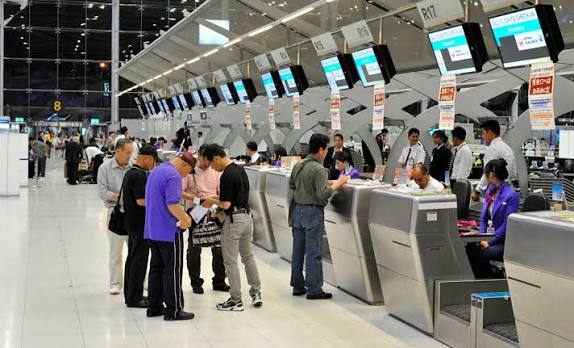
Rebooking, compensation, and a refund are separate questions. An airline can arrange a later flight without owing a fixed cash payment. Likewise, taking a refund may mean giving up travel on the affected itinerary.
For an itinerary covered by EU passenger rights rules, missing a connection and reaching your final destination at least three hours late may qualify for compensation, provided the other conditions are met. Extraordinary circumstances can affect eligibility. For a connecting journey on one reservation, the arrival delay at the final destination matters; a short delay on the first leg can therefore have a large effect. Check the route and operating carrier against the applicable rules before claiming.
In the United States, do not assume a missed connection creates an automatic cash compensation entitlement. Ask the airline about rebooking and assistance, and check its published commitments for a controllable delay. If a flight is significantly delayed or changed and you choose not to travel or accept the alternative, you may be entitled to a refund under US Department of Transportation rules. Accepting a rebooked flight generally changes that refund position.
Rules elsewhere differ. For a journey involving India, for example, consult the airline’s conditions and the applicable Directorate General of Civil Aviation passenger protection rules rather than assuming EU or US rules apply.
If you bought separate tickets, you may still have rights concerning the delayed first flight. That does not automatically make its airline responsible for the cost of the independently booked onward flight. Travel insurance may cover a missed connection if your policy includes it and you meet its conditions.
What Happens to Your Checked Luggage?

On a single ticket, your bag may have been tagged through to your final destination, but a missed connection can interrupt its planned route. Ask the transfer desk to check the bag tag and tell you where the bag is expected to go.
Do not assume that a new boarding pass automatically updates the baggage routing. If you are stranded overnight, ask whether you can retrieve your bag and whether you need to collect and recheck it. Immigration and customs rules at the connection airport can affect the answer.
Separate ticket travelers often have to collect a bag and check it in again. That takes time and may require permission to enter the connecting country. If the onward flight is already lost, clarify where the bag is before leaving the airport or buying another itinerary.
Pro Tips for a Tight or Missed Connection
Book the complete journey on one ticket when a missed connection would be costly. Check the ticket terms before paying, especially on sites that combine flights.
Allow extra time for international transfers. Immigration, security, terminal changes, and baggage collection can consume a layover even when both planes run on schedule.
Keep the airline app working. Enable notifications, carry a charged phone, and save an offline copy of your booking.
Protect later flights. Ask staff to confirm that onward and return segments remain valid after a rebooking.
Check transit requirements before accepting a new route. The fastest flight on a screen may be unusable without the right documents.
Keep essential medicine and a change of clothes in your cabin bag, within the airline’s baggage rules. That helps if you and your checked bag take different routes.
Frequently Asked Questions
Will the airline automatically rebook my connecting flight?
It might, particularly when both flights are on one ticket, but check the result yourself. You need a confirmed onward itinerary, and any automatic choice may leave earlier or more practical options unexplored.
Does the airline have to hold my connecting flight?
No general rule guarantees that it will. The airline might briefly hold a flight, but you should plan around its published boarding deadline and seek rebooking if the gate closes.
What if my connecting flight is on a different airline?
Check whether both airlines are part of one ticket. Different airline names do not automatically mean separate bookings. If they are separate tickets, contact the onward airline as soon as the risk becomes clear.
Can I choose a different airport or route?
You can ask. The airline may be able to offer another connection, partner flight, or nearby airport, but availability, ticket rules, and applicable rights determine what it must provide. Check the cost of ground travel before agreeing to arrive elsewhere.
Will I get a hotel if the next flight is tomorrow?
Possibly. Your entitlement depends on the law that covers your journey and, in some places, why the disruption happened. Ask for accommodation and transport before paying for them yourself, and keep receipts if you must arrange your own stay.
Can I skip the replacement flight and claim a refund?
Sometimes, but do not simply fail to show up. Tell the airline that you do not want the proposed itinerary and ask which refund rights apply to the unused journey. Your options depend on the route, delay, ticket, and whether you have already accepted alternative travel.
What if the first flight is only slightly late, but I arrive a day late?
Ask the airline to record both the original and actual arrival times at your final destination. For passenger rights that assess a protected connecting journey as a whole, the final arrival delay can be more important than the first flight’s delay alone.
Verdict: Act Early and Know What You Booked
If a delayed flight threatens your connection, check whether the flights are on one ticket, contact the airline immediately, and secure a confirmed route to your final destination. Ask about your bag, later flights, meals, and accommodation before leaving the transfer desk.
A single ticket usually puts you in a stronger position when a delay breaks the journey. Separate tickets require faster action with the onward carrier and may leave you facing extra costs. Keep your records either way: they are the foundation for any later refund, reimbursement, insurance, or compensation claim.
Some links on this page are affiliate links. If you book through one we may earn a commission, at no extra cost to you. It never affects our ratings, our rankings, or the price you pay.