What Is a Protected Connecting Flight?
Protected connecting flights are flights booked as one connected journey where the airline generally takes responsibility for arranging onward travel if a disruption to an earlier flight makes you miss your connection.
Protected connecting flights are flights booked as one connected journey where the airline generally takes responsibility for arranging onward travel if a disruption to an earlier flight makes you miss your connection. You usually do not need to buy a replacement ticket yourself when a qualifying delay or cancellation breaks that journey.
That matters because two itineraries can look almost identical on a booking screen while offering very different protection. One gives you airline support when something goes wrong; the other may leave you responsible for getting to your destination.
What Does a Protected Connecting Flight Mean?
A protected connection normally forms part of a through ticket, covering your departure airport, connecting airport, and final destination. The airline sells the flights as a connected itinerary rather than as independent journeys.
For example, imagine booking Mumbai to Paris via Doha as one through journey. If the Mumbai flight arrives late and you cannot board the Paris flight, the airline generally arranges alternative onward travel under its disruption policies and applicable passenger rights.
The term “protected” is also used by booking platforms offering their own connection guarantees. An airline protected itinerary and a travel website guarantee are different products, so always identify who provides the protection.
How Protected Connections Work
The airline treats the flights as one journey
With a through ticket, the connecting flights are linked for ticketing and disruption handling. If an earlier flight is cancelled or delayed enough to prevent the connection, the airline can usually adjust the affected onward sectors.
Depending on available seats and airline agreements, the replacement may be a later service, an alternative route, or a flight operated by a partner. Your original route and arrival time are not guaranteed.
Rebooking generally comes without an additional airfare
When the airline handles a covered missed connection, it generally rebooks you without charging the fare difference associated with buying a new ticket.
However, voluntarily switching to your preferred flight is a different request. Do not assume that any flight you choose, particularly one you purchase independently, will be reimbursed.
Your replacement flight depends on availability
A protected connection can still involve a substantial wait. If flights are full or the route operates only once daily, you may reach your destination the next day or later.
Protected Connections vs Self Transfer Flights
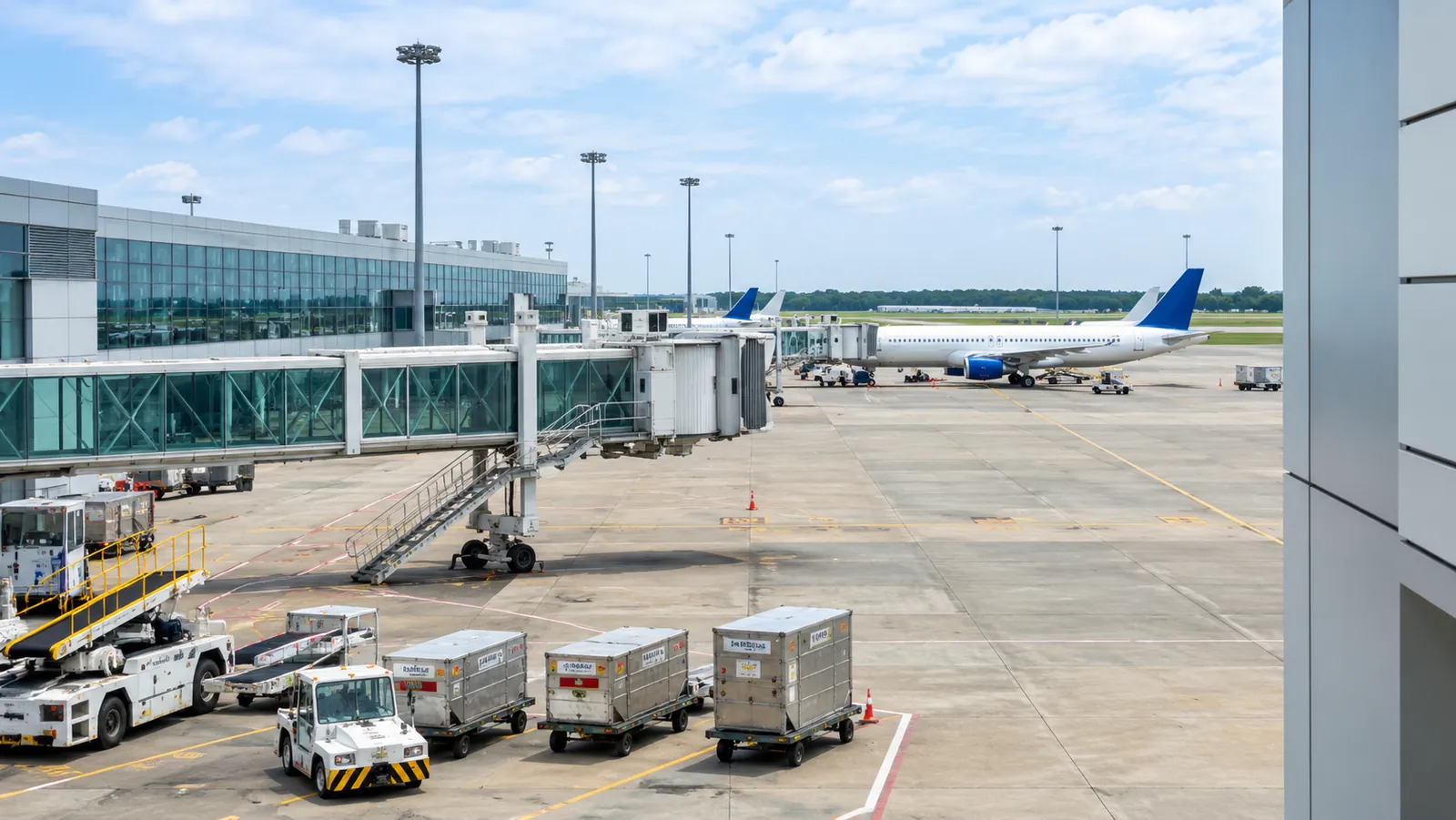
A self transfer usually combines separate tickets that you are responsible for connecting. The first airline’s obligation normally relates to its own ticketed journey, rather than the independently booked flight that follows.
Consider booking Delhi to Istanbul on one ticket and Istanbul to Rome on another. If the first flight arrives late, the Rome airline may treat your absence as a missed flight even though the delay was beyond your control.
| Booking feature | Airline protected connection | Separate tickets or self transfer |
|---|---|---|
| Ticket arrangement | Usually a through ticket | Independent tickets |
| Missed connection after an earlier disruption | Airline generally arranges onward travel | Replacement travel usually falls to you |
| Additional airfare | Generally waived for covered rebooking | A new fare or change charge may apply |
| Checked baggage | Often checked to the destination, subject to airport rules | Collection and another check in are often required |
| Connection timing | Normally built around applicable minimum connection times | You must allow for all transfer and check in steps |
| Overnight expenses | Depend on policy, cause, and applicable rights | Usually your responsibility unless another benefit applies |
| Different airlines | Can be protected under an eligible through itinerary | Different carriers do not automatically cooperate |
| Third party guarantee | Usually unnecessary for airline connection protection | May offer limited assistance under separate terms |
Neither the same airline nor the same booking website proves that a connection is protected. Ticket structure and the applicable conditions matter more than the logos displayed.
How to Check Whether Your Connection Is Protected
1. Look for self transfer warnings
Before payment, inspect the itinerary for wording such as “self transfer,” “separate tickets,” or “collect and recheck baggage.” Read any connection guarantee alongside the fare details.
Baggage collection alone does not prove a connection is unprotected. Some airports require passengers on through tickets to collect bags for customs.
2. Confirm the ticket arrangement
Ask the airline or seller whether the flights are issued as one through itinerary and whether onward rebooking is included if the first flight is delayed.
A useful question is: “If the inbound flight arrives late and I miss the next flight, who will arrange and pay for my onward travel?”
A single website order number is not sufficient evidence. An agency can group separate tickets into one purchase.
3. Understand booking references
A booking reference identifies a reservation, while a ticket number identifies an issued ticket. These serve different purposes.
Partner airlines may supply different reservation references for the same protected journey. Conversely, flights displayed together in an agency account may still be separate tickets.
Avoid relying on the number of references alone. Seek confirmation of the connection’s actual protection.
4. Check airport and terminal changes
Confirm that your connecting flights use the same airport. Transfers between airports can involve baggage collection, entry formalities, ground transport, and substantial extra time.
Even when sold as a through itinerary, an airport change may leave transport arrangements or costs to you. Read the transfer conditions before booking.
5. Keep written confirmation
Save the itinerary, ticket receipt, and any explanation of connection protection. If a seller promises a guarantee, retain the terms that apply to your purchase.
Are Connections With Different Airlines Protected?
Yes, they can be. A protected itinerary may include flights operated by different carriers through codeshare or interline arrangements.
However, membership of the same airline alliance does not automatically protect flights booked independently. Two separate purchases remain separate unless a specific arrangement provides otherwise.
Does Protection Include Checked Baggage?
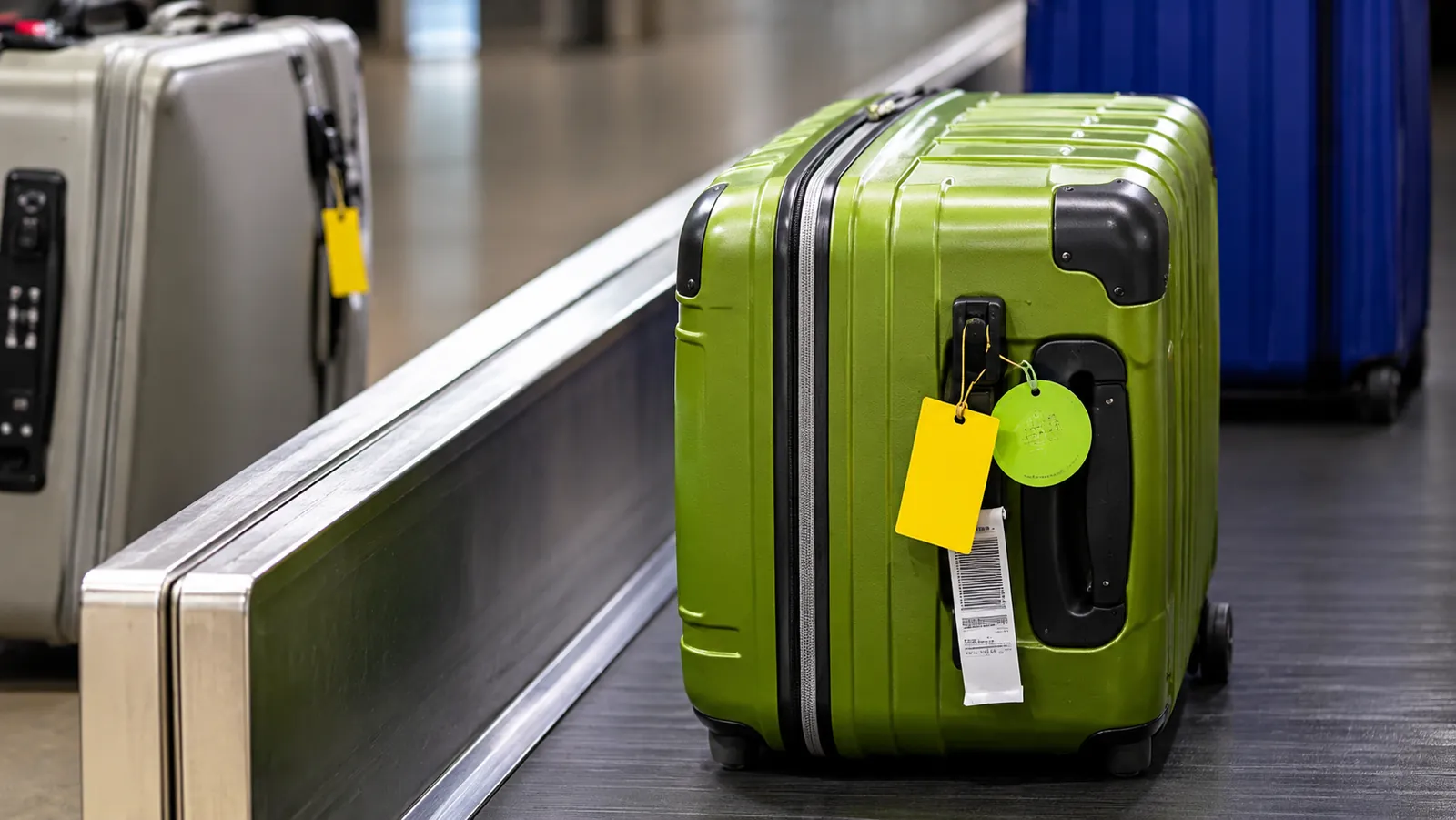
Checked bags are often tagged to your final destination on a protected itinerary. This can make the transfer easier, but it is not universal.
You may need to collect baggage for customs, an airport change, or an overnight transfer procedure. Local requirements can apply even when all flights are on a through ticket.
At check in, ask:
What destination is printed on my baggage tag?
Must I collect my bag at the connecting airport?
If I am rebooked, how will my baggage be handled?
What Happens If You Miss a Protected Connection?
Step 1: Check your updated booking
Open the airline app or review incoming messages. Some airlines automatically assign a replacement flight when they identify a missed connection.
Check the departure date, airport, and terminal carefully. A replacement may leave much later or follow a different route.
Step 2: Contact the airline promptly
Go to the transfer desk or contact customer service if no suitable replacement appears. Explain that the delayed or cancelled inbound flight affected your through itinerary.
Have your booking reference, ticket details, and onward flight information ready. If an agency issued the ticket, the airline may direct some ticket changes through that agency.
Step 3: Ask about practical alternatives
Ask whether another route or partner flight can get you there sooner. Availability and applicable obligations determine which options the airline can offer.
Step 4: Confirm assistance before spending
Ask about meals, accommodation, and transport if the wait becomes lengthy. These benefits depend on airline policy, the disruption’s cause, and the passenger rights covering the journey.
Before booking your own hotel or replacement flight, request authorization where possible. Keep receipts and records if you need to seek reimbursement.
Step 5: Check remaining flights
Make sure the replacement itinerary preserves your later sectors, including the return journey. Missed flight records can affect subsequent reservations if the booking is not handled correctly.
Do Protected Connections Include Hotels or Compensation?
Free rebooking, overnight care, and financial compensation are separate issues. Being entitled to one does not automatically mean you qualify for all three.
Hotel and meal support may depend on whether the disruption was within the airline’s control and which rules apply. Weather disruption can lead to different assistance from a technical or staffing problem.
On journeys covered by European passenger rights, a missed connection on a single reservation can sometimes qualify for compensation based on the delay at the final destination. Eligibility also depends on the route, circumstances, and other legal conditions.
In the United States, assistance commitments vary by airline and disruption type. Do not treat connection protection as a universal promise of a hotel or cash payment.
Travel insurance may help with eligible expenses that the airline does not cover. Its delay thresholds, exclusions, and claim limits still apply.
Does a Protected Connection Make a Short Layover Safe?
Airlines normally sell connecting itineraries that meet the applicable minimum connection time. This is a scheduling threshold for the transfer involved, rather than a promise that every traveler will make it comfortably.
The requirements can vary by airport, terminals, airlines, and whether immigration or security checks are needed. A connection that is valid on paper may still feel rushed.
Allow extra time if you need mobility assistance, travel with young children, or face unfamiliar airport procedures. A longer connection can be especially useful before the final departure of the day.
Also remember that gates close before the scheduled departure time. Your available transfer time is shorter than the gap between the two flight times.
What Connection Protection Does Not Cover
Protection generally addresses disruption to the connected flight journey. It does not excuse missing the gate because you were shopping, arrived late at the departure airport, or lacked required documents.
Transit visas and entry permissions remain your responsibility. A through ticket does not remove immigration requirements, including those involved in airport changes.
Pro Tips for Booking Better Protected Connections
Compare the full risk: A cheaper self transfer may become expensive if you need a replacement ticket, hotel, or baggage fees.
Prefer more onward options: Several daily departures can offer better recovery possibilities than one daily flight.
Allow breathing room: Protection is useful, but avoiding a missed connection is still preferable.
Keep essentials in cabin baggage: Carry medication, chargers, documents, and basic overnight items within baggage rules.
Read website guarantees carefully: Check claim deadlines, spending limits, exclusions, and approval requirements.
Check insurance separately: Look specifically for missed connection or travel delay benefits.
Frequently Asked Questions
1. Are all connecting flights protected?
No. Connecting flights can be issued as a through journey or assembled from separate tickets. Confirm the ticket arrangement before purchasing.
2. Is a connection protected if both flights use the same airline?
Not automatically. Separate tickets with the same airline can still be treated as separate journeys, with no automatic onward rebooking.
3. Does one booking reference guarantee protection?
No. It is a useful clue, but the seller’s reference may cover multiple independent tickets. Confirm the actual ticketing and disruption terms.
4. Will the connecting plane wait for me?
You should not rely on it. Airlines may occasionally hold departures, but operational limits and other passengers’ connections affect that decision.
5. Can a budget airline offer protected connections?
Yes, where it sells eligible connecting itineraries or participates in a specific arrangement. Verify the product rather than judging by the airline’s price category.
6. Is a booking website guarantee the same as airline protection?
No. It is governed by the website’s own terms and may impose expense limits, exclusions, or mandatory contact procedures.
7. Should I buy another flight immediately after missing my connection?
Contact the airline first. Buying independently can complicate reimbursement and your remaining itinerary, even when your original connection was protected.
Final Verdict: Confirm Protection Before You Pay
A protected connecting flight can save you from buying expensive replacement travel when an earlier flight disrupts your journey. Its main value is having an airline responsible for helping you continue to your ticketed destination.
Before booking, confirm the through itinerary, connection time, baggage procedure, and provider of any guarantee. Choose protection you understand, then allow enough transfer time to make the journey manageable.
Some links on this page are affiliate links. If you book through one we may earn a commission, at no extra cost to you. It never affects our ratings, our rankings, or the price you pay.