What Happens If Your First Flight Is Delayed?
What happens if your first flight is delayed? You might still catch your connection, or you could miss it and need another flight.
What happens if your first flight is delayed? You might still catch your connection, or you could miss it and need another flight. The outcome depends mainly on how late you arrive, whether your flights are booked together, and the passenger rights that apply to your journey.
If your flights form one protected itinerary, the airline will generally arrange onward travel when its delay causes a missed connection. If you bought separate tickets, the second airline usually has no obligation to replace your missed flight for free.
The most useful thing you can do is act before your connection becomes impossible. Here is how to assess the situation, ask for help, and protect the rest of your trip.
What Happens Immediately After Your First Flight Is Delayed?
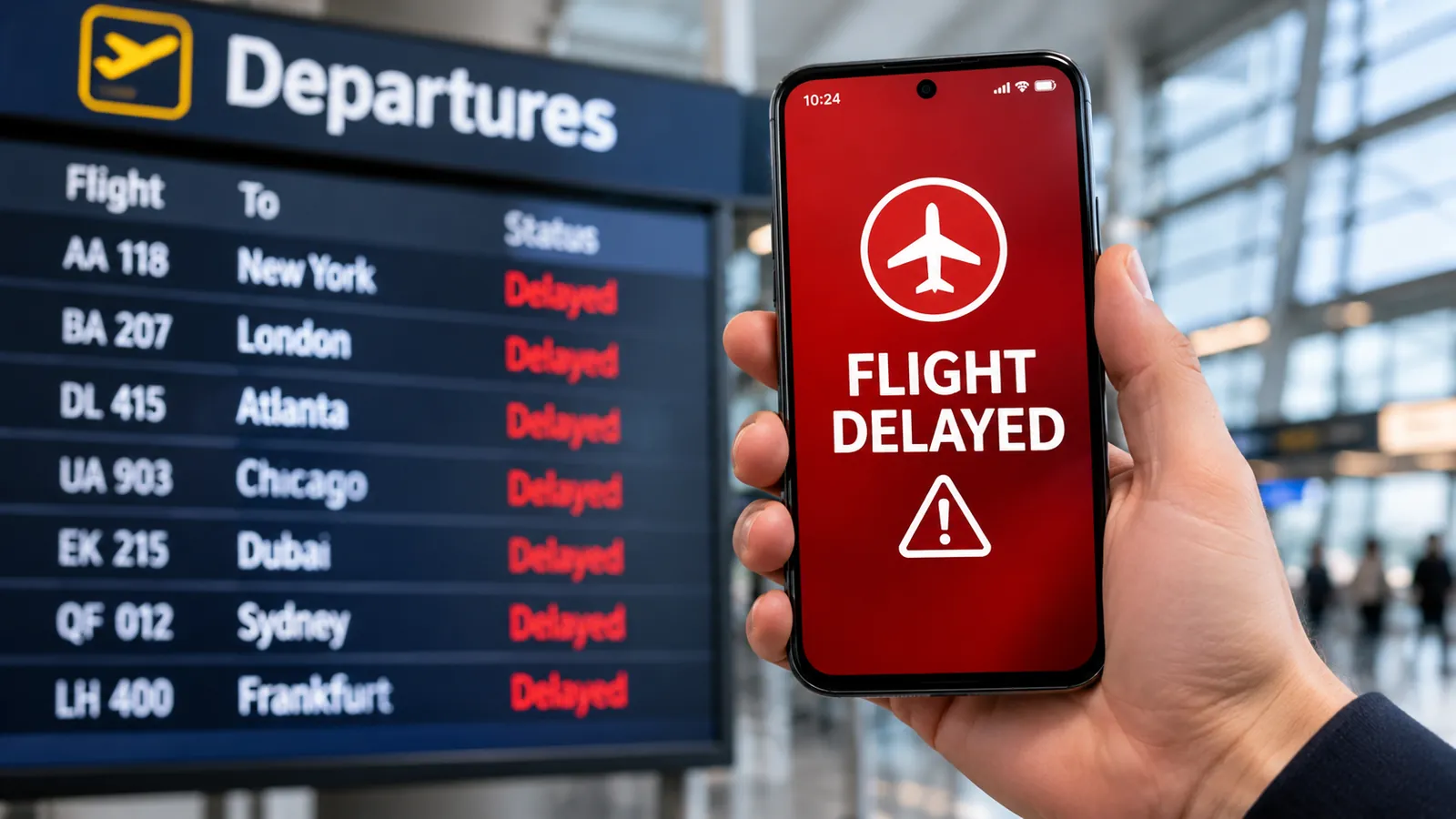
A departure delay does not automatically mean you will miss your connecting flight. Your aircraft may recover some time during the journey, and your onward flight might also be delayed.
However, a connection that originally looked comfortable can quickly become tight. You still need time to leave the aircraft, reach the departure gate, and complete any required security or immigration checks.
Airlines may monitor connecting passengers and offer replacement flights through their apps. Do not assume that an automatic notification means everything is settled. Check your updated itinerary and confirm that you have a valid boarding pass.
Arrival Time Matters More Than Takeoff Time
A flight departing 40 minutes late might arrive only 20 minutes late. Alternatively, congestion at the destination airport can make the arrival delay longer.
Compare your estimated arrival with your connection’s boarding gate closing time, rather than its advertised departure time. Reaching the airport before departure does not necessarily mean you can board.
For example, if your first flight reaches its gate at 2:10 p.m. and your connection departs at 2:40 p.m., you have less than 30 minutes to transfer because boarding closes earlier.
Are Your Connecting Flights Protected?
Your booking arrangement is the biggest factor in what happens next.
Flights Booked Together on One Ticket
When your flights are issued together as a through itinerary, the airline generally handles a missed connection caused by disruption to the first flight.
It will usually arrange an available alternative to your ticketed destination without charging the normal change fee or fare difference. That alternative could depart later that day, the next morning, or through another airport.
Protection can also apply when different airlines operate the flights, provided they form the same protected ticketed journey.
However, booking everything in one online transaction does not always guarantee protection. Some travel websites combine separate tickets and describe the journey as a self transfer.
Flights Purchased on Separate Tickets
With separate tickets, each airline generally treats its flight as an independent journey.
If your first airline arrives late, the second airline may record you as a no show. You could need to pay a change fee, a fare difference, or the full cost of a replacement ticket.
Contact the second airline before its flight departs. It may offer flexibility, but free rebooking should not be assumed.
Travel Website Connection Guarantees
Some booking platforms sell their own missed connection guarantees. These are separate from the protection offered by a through ticket.
Read the terms carefully. The provider may require you to contact it before purchasing replacement transport, and coverage may exclude certain expenses or circumstances.
Delayed First Flight: What to Expect
| Situation | Likely outcome | Your priority |
|---|---|---|
| Short delay with enough transfer time | You may catch the original connection | Check arrival estimates and gate details |
| Delay causes a missed connection on one protected ticket | Airline generally arranges onward travel | Confirm your replacement itinerary |
| Delay affects a journey on separate tickets | Replacement travel may be your responsibility | Contact the second airline before departure |
| Replacement flight leaves the following day | Overnight accommodation may be needed | Ask whether hotel and transport assistance apply |
| Weather causes the disruption | Rebooking may apply, but other benefits vary | Separate travel assistance from compensation |
| You decide to abandon the journey | Refund eligibility depends on applicable rules | Confirm eligibility before cancelling |
Will the Connecting Flight Wait for You?
Sometimes, but you should never rely on it.
An airline may briefly hold a flight when several passengers are arriving from a delayed service. Staff must also consider departure slots, crew working limits, airport restrictions, and connections for passengers already onboard.
A different airline operating your onward flight may have even less flexibility.
Tell the departure agent about your connection before boarding the first flight. Once onboard, you can also inform the cabin crew, although they cannot promise that another aircraft will wait.
If your connection remains possible, proceed directly to the gate after landing. Save food stops and shopping until your onward travel is secure.
What to Do When Your First Flight Is Delayed
1. Check Your Entire Itinerary
Open your airline app and review every flight, not just the delayed departure.
Look for changes to the arrival estimate, onward flight status, terminal, and gate. Take screenshots of the original schedule and disruption messages.
Also establish whether your journey is a protected connection or a self transfer. This determines which company you should ask to arrange help.
2. Tell the Airline About Your Connection
Speak to the gate agent or contact customer service as soon as your transfer looks doubtful.
A clear request works best: “My first flight is delayed, and I have an onward connection on this ticket. Can you check whether I can still make it and what alternatives are available?”
If your tickets are separate, contact the second airline as well. Ask whether it can move you before you become a no show.
3. Ask About Alternatives Before Cancelling Anything
Possible options include a later connection, an earlier departure on another route, or travel through a different hub.
Ask whether the airline can consider another carrier, although availability and its obligations vary. Do not cancel your original reservation independently while staff are arranging a replacement.
Cancelling it yourself could complicate assistance or change how the airline treats your booking.
4. Confirm the Replacement Flight
A proposed flight is not necessarily a completed booking.
Check that the replacement appears in your itinerary, that your seat is confirmed, and that your boarding pass can be issued. Confirm any terminal changes and whether your checked baggage will follow.
If you are travelling with others, verify that everyone has been rebooked.
5. Request Meals or Accommodation Where Applicable
Ask what assistance is available if the delay creates a lengthy wait or an overnight stay.
Request meal vouchers, hotel arrangements, and transport details before paying for them yourself. If the airline cannot provide assistance that you are entitled to, keep receipts for reasonable expenses.
Avoid assuming that premium hotels, alcohol, or unnecessary taxi journeys will be reimbursed.
6. Protect Your Remaining Flights
Ask the airline to confirm that later connections and your return journey remain active.
This is particularly important with separate tickets. Missing one flight can lead to the cancellation of later segments on that same ticket under the airline’s no show rules.
Also notify your hotel, airport transfer provider, or tour operator if your arrival changes.
Will the Airline Pay for a Hotel or Meals?
There is no worldwide rule requiring every airline to provide the same benefits.
Your entitlement depends on the route, applicable passenger rights, delay length, and sometimes the reason for the disruption.
Flights Covered by EU or UK Passenger Rights
On covered journeys, airlines must provide care when the relevant waiting thresholds are reached. This can include reasonable meals and refreshments.
If an overnight stay becomes necessary, applicable care obligations can include accommodation and transport between the airport and hotel.
Care and compensation are different. Bad weather may prevent a compensation payment while leaving the airline’s duty to provide care intact.
Flights in the United States
US airlines’ meal and hotel commitments vary. Many major carriers provide assistance for significant disruptions within their control, such as certain maintenance or crew problems.
Weather disruptions generally receive fewer promised amenities.
Check the operating airline’s commitments and ask staff which benefits apply to your specific delay.
Other International Journeys
Different countries have their own rules, and airlines may provide additional benefits through their policies.
For journeys involving India or another jurisdiction, request the airline’s written delay policy and applicable passenger rights notice. Do not assume that European or American rules apply everywhere.
Can You Claim Compensation or a Refund?
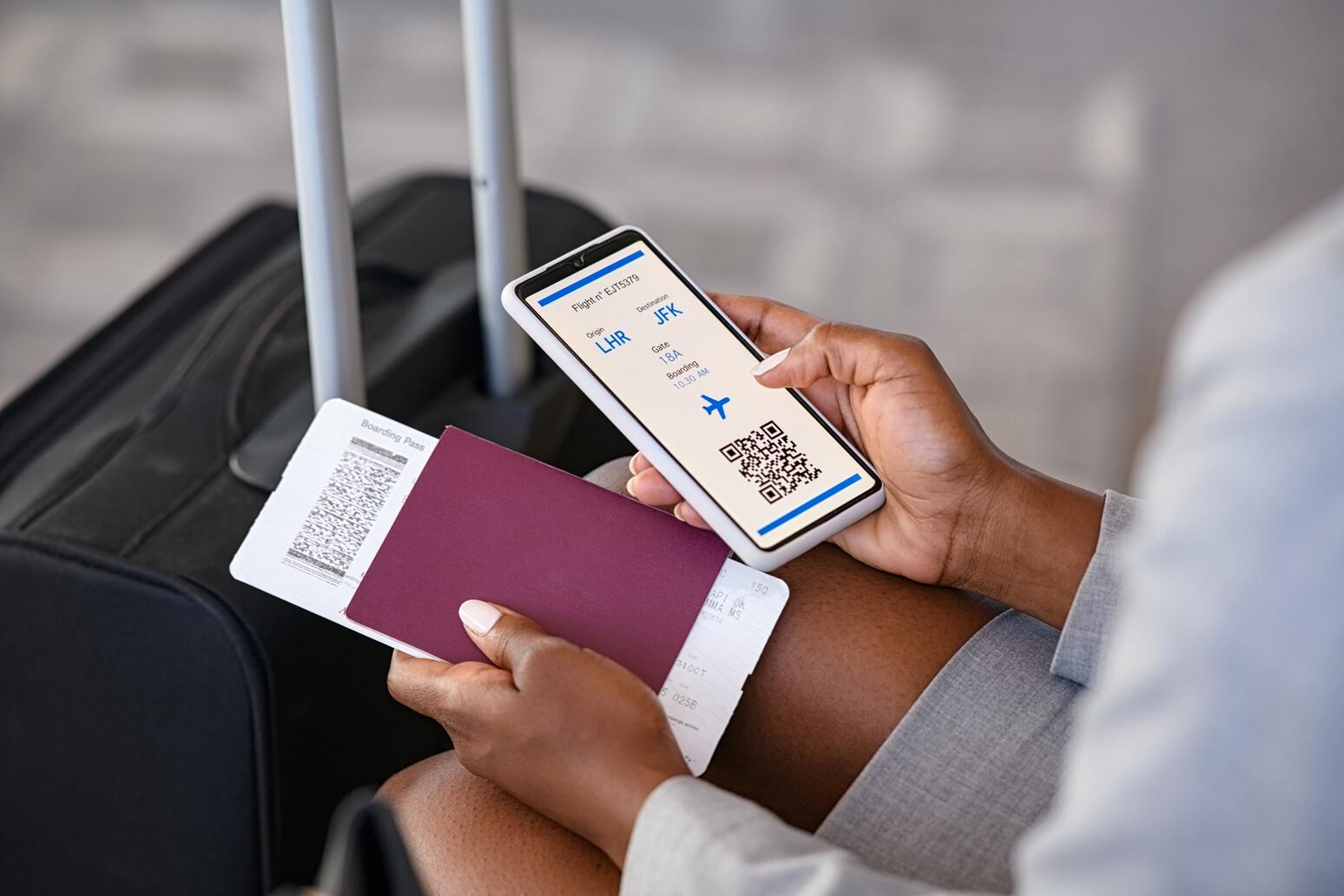
Rebooking, refunds, expense reimbursement, and compensation are separate remedies.
A replacement flight gets you to your destination. A refund returns eligible ticket costs when you choose not to travel, while compensation is an additional payment available under certain rules.
Compensation for a Missed Connection
For qualifying journeys covered by EU rules, a missed connection on a single reservation can lead to compensation when you reach your final destination at least three hours late.
Eligibility also depends on factors such as the disruption’s cause and the journey’s coverage. Extraordinary circumstances can remove the entitlement to compensation.
UK rules also provide compensation for qualifying long arrival delays. A short delay to the first flight can therefore matter if it causes a much longer delay at your final destination.
Refunds When You Decide Not to Travel
Under US rules, a cancelled or significantly changed flight can qualify for a refund when you decline the affected travel and alternatives.
Significant timing changes include departure or arrival changes of at least three hours for domestic itineraries or six hours for international itineraries.
For covered EU and UK departure delays, a wait of at least five hours can create a right to reimbursement if you decide not to continue, subject to the applicable conditions.
Before choosing a refund, consider the price of replacement travel. Accepting reimbursement generally means arranging your own onward journey.
What Happens to Your Checked Baggage?
If your bag was checked through to your final destination, the airline will usually try to route it onward after a missed connection.
However, your bag and your replacement flight may not travel together. Ask staff to confirm the baggage arrangements whenever your itinerary changes.
During an overnight disruption, your suitcase may remain in the baggage system. Access to it is not guaranteed, so keep medication, essential toiletries, chargers, and spare clothing in your cabin bag.
With separate tickets, you may need to collect your suitcase and check it in again. Customs requirements can also require baggage collection even when the bag is tagged to your final destination.
If your suitcase does not arrive, report it at the destination before leaving the airport and obtain a baggage report reference.
Pro Tips for Handling a Delayed First Flight
A little preparation makes disruption easier to manage:
Keep your booking details offline. Save ticket numbers, flight information, and baggage receipts.
Use multiple contact channels. Try the airline app or phone support while waiting for an airport agent.
Check alternative routes yourself. A specific suggestion can help staff find a workable option.
Mention essential needs early. Explain mobility assistance, medication requirements, or travel with young children.
Keep written evidence. Save delay notices, rebooking confirmations, and itemised receipts.
Check insurance before spending. Missed departure and travel delay cover have different conditions.
For future bookings, allow extra transfer time when immigration, terminal changes, or baggage collection are involved. A connection that meets the published minimum can still leave little room for disruption.
Frequently Asked Questions
1. Will I have to buy another ticket if my first flight is delayed?
Usually not when the delay causes a missed connection on a protected through ticket. With separate tickets, you may need to pay for replacement travel unless the airline, booking guarantee, or insurance provides help.
2. Can I still make my connection after a one hour delay?
Possibly. It depends on your original layover, actual arrival time, airport layout, and boarding deadline. Ask the airline to assess the connection rather than judging it from departure times alone.
3. What if the flights are operated by different airlines?
Different airlines can still form a protected journey when the flights are issued together on a through ticket. Separate tickets usually do not provide the same protection, even if the airlines are partners.
4. Will the airline automatically rebook me?
Some airlines do, but you should check. Confirm the new flight, seat availability, boarding pass, baggage arrangements, and remaining itinerary before treating the problem as resolved.
5. Does bad weather mean I receive no help?
No. Weather can affect compensation and hotel eligibility, but it does not automatically remove every form of assistance. Protected journey arrangements and applicable care rights may still apply.
6. Should I buy a replacement flight immediately?
Ask the airline or guarantee provider first. Buying independently without approval can leave you paying for a ticket that the original airline will not reimburse.
7. Should I arrive late at the airport because my flight is delayed?
Generally, keep to the original check in and baggage deadlines unless the airline explicitly instructs otherwise. Delay estimates can change, and an aircraft may depart earlier than the revised estimate.
Final Verdict
If your first flight is delayed, check your connection, contact the airline early, and confirm whether your journey is protected. Those three actions give you the clearest path forward.
A through ticket generally offers stronger missed connection protection, while separate tickets require faster action with the onward airline. Confirm replacement travel, ask about applicable assistance, and keep evidence of any expenses before leaving the airport.
Some links on this page are affiliate links. If you book through one we may earn a commission, at no extra cost to you. It never affects our ratings, our rankings, or the price you pay.