What Is a Minimum Connection Time?
Minimum connection time is the shortest scheduled interval considered sufficient to transfer between two flights at a particular airport under specified conditions.
Minimum connection time is the shortest scheduled interval considered sufficient to transfer between two flights at a particular airport under specified conditions. Often called MCT or minimum connecting time, it helps airlines decide whether they can sell flights together as a valid connection.
That definition sounds reassuring when you find a cheap ticket with a short layover. However, a connection that meets the official minimum can still feel rushed, especially if your first flight arrives late or you need to change terminals.
Understanding MCT helps you answer the question that matters most: Will this connection give me enough time for my journey? Here is how it works, what affects it, and how to choose a layover with a sensible margin.
What Does Minimum Connection Time Mean?

Minimum connection time is a planning standard used when building connecting itineraries. It accounts for transferring passengers and their checked baggage between flights.
The applicable minimum depends on the airport, airlines, terminals, and type of journey. An airport can have several different connection standards rather than one number that applies to everyone.
For example, a domestic connection within one terminal may have a shorter minimum than an international arrival requiring immigration and a terminal transfer. Airline specific exceptions can also affect which standard applies.
MCT is a minimum scheduling requirement, not a guarantee that you will make your next flight. It cannot eliminate delays, unexpected queues, or changes to airport operations.
How Is Connection Time Calculated?
Your scheduled connection time is generally the interval between the first flight’s scheduled arrival and the next flight’s scheduled departure.
Suppose your first flight arrives at 10:00 a.m. and your connecting flight departs at 11:15 a.m. Your scheduled connection is 75 minutes.
Those 75 minutes are not all available for walking around the airport. You still need to leave the aircraft, complete any transfer procedures, and reach the next gate before boarding closes.
Scheduled arrival normally refers to arrival at the aircraft’s parking position, rather than touchdown. A plane that lands on time can still reach its gate late after a lengthy taxi or a wait for parking.
Who Sets Minimum Connection Times?
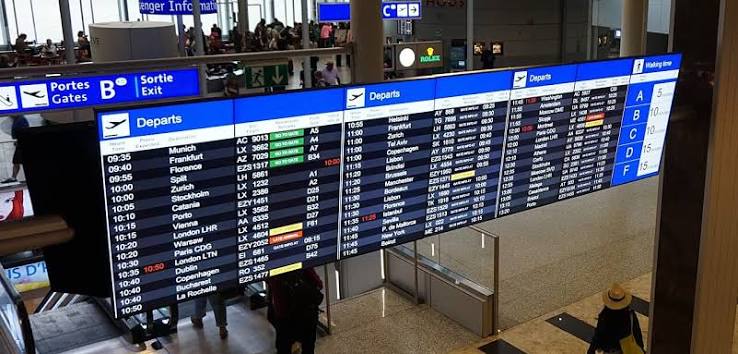
Airport operators and airlines establish connection standards using local procedures and operational requirements. These standards are distributed through airline scheduling and reservation systems.
IATA supports industry standards for minimum connecting time data. However, that does not mean IATA assigns one universal transfer time to every airport.
Airlines can publish exceptions for particular connections, including certain terminal combinations or services. That is why a general airport figure may not answer your booking question.
Ask about the minimum applicable to your exact flights, including the operating airlines, travel date, and arrival and departure terminals.
Minimum Connection Time vs Layover Time
A layover is the actual scheduled wait between your flights. Minimum connection time is the threshold used to assess whether that connection meets the applicable scheduling standard.
If your layover is two hours and the applicable MCT is one hour, you have one hour above the minimum. That extra margin can absorb some disruption, although it does not guarantee success.
| Term | Meaning | What it tells you |
|---|---|---|
| Minimum connection time | Shortest accepted interval for a specified connection | Whether the itinerary meets the applicable transfer standard |
| Layover time | Scheduled interval between flights | How much time your booking allows |
| Boarding cutoff | Deadline for reaching the departure gate | When you must be ready to board |
| Personal connection buffer | Extra time you choose above the minimum | How much margin you have for delays or personal needs |
| Self transfer | Connection arranged across separate tickets | Whether you may need to handle baggage and check in again |
A valid connection and a comfortable connection are different judgments. The first follows an operational standard; the second depends on your circumstances.
What Affects Minimum Connection Time?

Domestic and International Transfers
Domestic connections can be straightforward when passengers remain within the secure departure area. International transfers may add document checks, security screening, or border formalities.
However, an international connection does not automatically require immigration. Some airports allow eligible passengers to remain in an international transit area.
The relevant question is which procedures your particular route requires. Your origin, destination, nationality, and transit arrangements can all matter.
Airport Size and Terminal Changes
A connection involving nearby gates is different from one requiring a train, bus, or long walk. Even flights within the same terminal can use widely separated concourses.
Some terminal transfers remain within the secure area. Others require passengers to leave it and pass through security again.
Check whether your itinerary changes terminals or airports. An airport change introduces road travel and a new departure process, requiring a much more cautious plan.
Immigration, Customs, and Security
Where border formalities are required, queues can consume a substantial part of your layover. Security screening may also be necessary even when you remain in transit.
Do not assume that procedures from a previous trip apply to a new route. Airports can handle passengers differently depending on where their incoming flight originated.
Confirm the transfer process before booking, particularly if your connection involves entering the country.
Checked Baggage
On many connecting tickets, checked bags are transferred to the next flight. Nevertheless, some journeys require passengers to collect baggage for customs and then hand it back.
Separate tickets often add baggage collection and a fresh bag drop. This means the next airline’s check in deadline becomes a critical part of your connection plan.
Having your bag tagged to the final destination does not always mean you never need to collect it during transit.
Airline Combinations
Connections between different airlines can involve different terminals, handling arrangements, or document checks. A codeshare flight may also be operated by an airline other than the one whose name appears prominently in your booking.
Check the operating carrier for each flight. It can affect where you arrive, where you depart, and whom you approach for assistance.
Is a Connection That Meets the Minimum Safe to Book?
A connection meeting MCT is considered acceptable under the applicable scheduling rules. It may still leave little flexibility when something goes wrong.
For example, an itinerary with a 65 minute connection and a 60 minute minimum has only five minutes above the threshold. A modest arrival delay could make the transfer difficult.
That does not mean every short connection is a poor choice. A familiar airport, simple transfer, and several later flights can make a shorter layover more manageable.
Choose more time when:
You need immigration, baggage collection, or a terminal transfer.
You are travelling with children or need mobility assistance.
Your onward flight is the last departure that day.
You have an important event soon after arrival.
You would find a rushed airport transfer stressful.
There is no universally safe layover length. Assess the transfer tasks and the consequences of missing the flight.
Single Tickets vs Separate Tickets
Connecting Flights on One Ticket
Airlines generally construct through itineraries to meet the applicable minimum connection time. If a disruption causes a missed connection, the airline will generally arrange onward travel under its applicable policies.
That assistance does not mean your next aircraft will wait. It also does not guarantee a seat on the immediately following flight.
Different airlines can form part of one through ticket. Conversely, one payment or booking reference does not necessarily prove that flights have through ticket protection.
Connections on Separate Tickets
With separate tickets, you take on more responsibility for making the onward departure. The second airline may treat you as a passenger who missed check in or boarding, even when another flight caused the delay.
You may also need to collect bags, enter the country, change terminals, and check in again. A standard transfer minimum should not be treated as sufficient guidance for this process.
British Airways, for example, recommends at least four hours between separately ticketed flights through Heathrow. That is a specific recommendation, not a universal rule for every airport.
Some booking companies offer self transfer guarantees, but their conditions vary. Read what the guarantee covers before relying on it.
How to Check Whether Your Connection Is Long Enough
Step 1: Confirm the Ticket Arrangement
Find out whether the flights are issued as a through ticket or separate tickets. Look for wording such as “self transfer” in the booking details.
If the arrangement is unclear, ask the seller directly how missed connections are handled.
Step 2: Check the Exact Transfer Route
Identify your arrival and departure airports, terminals, and operating airlines. Use the airport’s connection guidance to understand the route between flights.
Confirm whether you can remain in transit or must enter the country.
Step 3: Ask About the Applicable Minimum
Contact the airline or booking agent with your flight numbers and travel date. Ask whether the itinerary meets the minimum connection time for that exact combination.
A general search result about the airport may describe a different transfer.
Step 4: Check Every Relevant Deadline
Review the onward flight’s boarding cutoff. If you must check in again, also confirm check in and baggage acceptance deadlines.
Work backward from those deadlines, rather than treating scheduled departure as the moment you need to arrive at the gate.
Step 5: Add a Personal Margin
Allow extra time for your walking pace, assistance needs, family circumstances, and comfort level. Then consider how disruptive a missed connection would be.
An overnight buffer may be sensible for separate tickets when the onward journey is expensive or difficult to replace.
What Happens If Your First Flight Is Delayed?
Check your airline app for gate changes, connection updates, or rebooking messages. If the transfer looks doubtful, contact the airline and tell cabin crew that you have a connecting flight.
Once you arrive, follow the connection signs and proceed directly toward your next gate. Ask transfer staff for help if the route or boarding status is unclear.
If you miss the flight, approach the airline’s transfer desk or customer service team. On separate tickets, contact the onward airline promptly to ask about available options.
Keep boarding passes, delay notifications, and receipts. Meeting MCT alone does not create an automatic entitlement to compensation, meals, or a hotel; those depend on applicable rules and circumstances.
Pro Tips for Choosing Better Connections
Consider later departures. A connection with several alternative flights afterward gives you more recovery options than the final service of the day.
Keep essentials in your cabin bag. Medication, documents, chargers, and a change of clothes are useful if you or your checked bag arrive late.
Request assistance before travel. Confirm arrangements with the airline and choose a connection that suits your needs.
Recheck the itinerary after schedule changes. An earlier onward departure or later arrival can reduce a previously comfortable layover.
Prioritize the gate before refreshments. Once you know its location and boarding status, you can judge whether there is time for food or a lounge visit.
Frequently Asked Questions
Is 45 minutes enough for a connecting flight?
It can be sufficient for some straightforward connections if it meets the applicable minimum. It leaves limited room for disruption, so check the airport, terminals, and transfer requirements before booking.
Is one hour enough for an international connection?
Sometimes, but there is no universal answer. A simple transit connection can differ greatly from one requiring immigration, baggage collection, and another security check.
Does minimum connection time include boarding?
It is a scheduling standard for the transfer interval, rather than a personal countdown. You must still reach the departure gate before the airline’s boarding cutoff.
Will the airline wait if my connection is tight?
Do not assume it will. Airlines may sometimes hold a departure, but operational constraints can prevent this, even when connecting passengers are delayed.
Can I book below the minimum connection time?
Airlines generally avoid selling through itineraries below the applicable minimum. Separate tickets can create shorter intervals, but buying them does not make the transfer practical or provide normal through ticket protection.
Does travelling without checked baggage solve a short connection?
It removes baggage collection and bag drop when those would otherwise be necessary. However, you still need to account for security, immigration, terminal travel, and boarding deadlines.
What if a schedule change makes my connection too short?
Contact the airline or booking agent promptly and ask them to reassess the itinerary. Do not assume that an unchanged booking confirmation means the revised connection remains acceptable.
Verdict: Use the Minimum as Your Starting Point
Minimum connection time tells you whether a particular flight transfer meets an accepted scheduling standard. Your best layover also accounts for airport procedures, ticket protection, personal needs, and the consequences of a delay.
Before booking, confirm the exact transfer requirements and leave a margin that suits the trip. A slightly longer connection can be worthwhile when it gives you a calmer journey and more options if plans change.
Some links on this page are affiliate links. If you book through one we may earn a commission, at no extra cost to you. It never affects our ratings, our rankings, or the price you pay.