What Are Flight Change Fees?
Flight change fees are charges an airline may apply when you alter an existing reservation, such as moving your departure date or choosing another flight.
Flight change fees are charges an airline may apply when you alter an existing reservation, such as moving your departure date or choosing another flight. However, the change fee is only one part of the bill: you may also need to pay the difference between your original ticket and the replacement fare.
That distinction catches many travelers off guard. A ticket advertised with “no change fees” can still cost considerably more to move if the new flight is more expensive.
Before you reschedule, you need to know whether your ticket permits changes, what charges apply, and whether a cheaper alternative exists. This guide explains how flight change fees work, how to calculate your likely costs, and how to change a booking without paying more than necessary.
What Is a Flight Change Fee?

A flight change fee is a separate charge for modifying a ticket under its fare rules. Depending on the airline, permitted changes might include a different travel date, departure time, route, or destination.
The fee does not normally cover the price of the replacement flight. Instead, the airline applies your eligible ticket value toward the new itinerary and calculates any additional amount due.
A changeable ticket is not necessarily a refundable ticket. You might be allowed to move your flight but receive only travel credit if you cancel.
Likewise, a restrictive ticket may prohibit ordinary voluntary changes altogether. In that situation, paying a standard change fee might not be an available option.
Changes That May Trigger Charges
Common examples include:
Moving your departure or return date.
Switching to another departure time.
Changing your destination where permitted.
Replacing a connecting itinerary with a direct flight.
Changing the cabin or fare product where allowed.
Passenger name corrections follow separate rules. Replacing the original traveler with another person is usually treated differently from correcting a spelling mistake.
Flight Change Fees vs Fare Differences
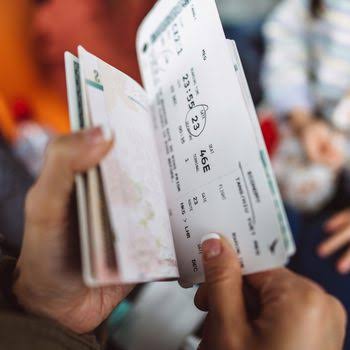
The change fee is the charge for modifying the reservation. The fare difference is the additional price of the replacement itinerary compared with the eligible value of your existing ticket.
Consider this hypothetical example:
Here, the airline charges ₹1,500 to process the permitted change and ₹2,500 because the replacement flight costs more.
If the change fee were waived, you would still owe ₹2,500. No change fee does not mean no additional payment.
When the replacement flight costs less, the airline might issue a credit, refund an eligible balance, or apply a rule that forfeits the difference. Do not assume a cheaper flight automatically produces a cash refund.
For complex itineraries, the airline may recalculate more than the individual flight you want to change. A return ticket or partially used international booking can therefore produce an unexpected quote.
How Much Are Flight Change Fees?
There is no universal flight change fee. The amount depends on the airline, ticket conditions, route, and circumstances of the change.
Some eligible tickets carry no change fee. Others require a fixed charge, a charge based on timing, or a route specific amount.
The most useful comparison is therefore between ticket rules, rather than airline names alone.
Current Airline Policies Show Why Details Matter
Delta currently lists no change fees for eligible tickets originating in the United States, Canada, and the Caribbean, excluding its Basic experiences. Its change guidance also lists applicable fees of $0 to $500 depending on route and travel experience, with higher replacement fares payable separately.
American Airlines generally restricts ordinary changes to Basic Economy tickets, although its published rules identify exceptions for certain journeys originating in Europe. This illustrates why a broad statement such as “Basic Economy can never be changed” can be misleading.
The conditions attached to your actual ticket matter more than a general policy summary. Purchase dates and the starting country of your itinerary can affect which rules apply.
What Determines Your Flight Change Cost?
Your Fare Type
Two passengers sitting beside each other can have different change conditions. One might have bought a restrictive promotional fare, while the other purchased a flexible ticket.
The cabin name alone does not tell you enough. Check the fare product and its change conditions before deciding how much flexibility you have.
How Close You Are to Departure
Some airlines increase modification charges closer to departure. Even where the fee remains unchanged, replacement flights may become more expensive as cheaper booking options sell out.
Changing earlier gives you more flights to compare, but it does not guarantee the lowest fare.
Your Route and Itinerary
Domestic and international tickets may have different rules. The country where travel begins can also determine the applicable fee.
Changing airports or destinations may require a more substantial recalculation than simply moving to another date.
Where You Booked
A travel website or agency may charge its own service fee. This can sit alongside the airline’s change fee and fare difference.
Ask for an itemized quote showing airline charges, fare differences, and agency charges separately.
Whether Travel Has Already Started
Changing an unused ticket can be simpler than changing the return portion after your outbound flight.
Partially used tickets may involve different fare calculations. If the online quote looks unusually high, ask the ticket issuer to explain how it calculated the remaining value.
When Can You Avoid Flight Change Fees?
Your Ticket Includes Free Changes
A fare with no change fee removes one potential expense. You still need to meet the ticket conditions and pay any applicable increase in fare.
Check deadlines carefully. Free changes usually do not mean you can miss the flight and rearrange everything afterward.
The Airline Issues a Travel Waiver
During major weather events or other disruptions, airlines may publish temporary waivers.
These can permit eligible passengers to change flights without ordinary penalties. Some also waive fare differences within specified dates, routes, and cabin conditions.
Follow the waiver’s exact terms. Choosing a flight outside its permitted travel window may restore normal charges.
You Qualify for an Early Booking Window
Some airlines offer a short period after booking during which eligible changes or cancellations have fewer penalties.
For example, IndiGo currently publishes a 48 hour look in option for eligible bookings made directly on its website. Fare differences remain payable, and the option excludes bookings departing within seven days for domestic travel or 15 days for international travel.
Do not assume every airline offers the same window. Check whether the benefit allows direct changes, cancellation, or both.
What If the Airline Changes Your Flight?
An airline initiated schedule change is different from a voluntary change requested because your plans have shifted.
Before paying to move a disrupted booking, check the options offered in the airline’s notification. You may qualify for alternative transportation or a refund under the applicable rules.
For flights covered by United States refund requirements, an airline cancellation or qualifying significant change can create a refund entitlement if you decline the alternative travel and other compensation offered. That is separate from voluntarily exchanging an otherwise operating flight.
Review your disruption options before accepting a travel credit. A credit and a refund to your original payment method are different outcomes.
How to Change a Flight Step by Step
1. Find Your Booking and Fare Conditions
Open the airline’s app or booking management page using your reservation reference and passenger details.
Check whether changes are permitted, the modification deadline, and any fee conditions. If you booked through an agency, determine who must process the exchange.
2. Search Several Replacement Flights
Compare nearby dates and different departure times. Where practical, check alternative airports too.
Look beyond the fare: a cheaper replacement involving an overnight connection may add hotel, meal, and transport costs.
3. Request a Full Change Quote
Select the flight you want to modify and review the proposed replacement.
Before confirming, identify:
The change fee.
The fare difference.
Any agency or handling charge.
Changes to taxes or other ticket charges.
The treatment of any remaining ticket value.
A displayed quote can change if availability changes before payment.
4. Compare Changing With Canceling and Rebooking
Where your ticket permits it, cancellation followed by rebooking may be another option.
Compare the cancellation charge, usable credit, credit restrictions, and replacement price. Do not cancel first without understanding what value you will retain.
5. Check Seats, Baggage, and Connections
Confirm whether purchased seats, extra baggage, and other services transfer to the replacement flight.
Also check the entire itinerary. Moving one flight can create an unsuitable connection or affect your return arrangements.
6. Pay and Verify the Updated Ticket
Complete the transaction and save the confirmation.
Check the new date, airports, passenger details, and every flight segment. A selected replacement flight is not necessarily a completed ticket exchange until the airline confirms it.
Same Day Changes and Standby
A same day flight change usually means moving to another eligible flight close to your original departure date. Airlines often treat this separately from a standard advance change.
A confirmed same day change gives you a seat on the replacement flight once approved. Standby means you wait for an available seat and may not travel on your preferred departure.
Eligibility can depend on route, fare, cabin, frequent flyer status, and seat availability. Never assume that a free standby option guarantees a free confirmed switch.
If your plans require certainty, compare the confirmed change option before relying on standby.
Practical Tips to Reduce Rebooking Costs
Compare Flexibility Before Buying
The lowest ticket price may not offer the lowest overall cost when your dates are uncertain.
If a flexible fare costs ₹1,200 more but a possible change would carry a ₹2,000 fee, the upgrade deserves consideration. Remember that flexibility may remove the fee while leaving fare differences payable.
Compare the Whole Group’s Cost
Some charges apply per passenger, and others may apply per flight sector.
A fee that looks manageable for one traveler can become expensive for a family. Ask whether the displayed amount covers everyone or only one passenger.
Avoid Repeated Changes
Moving a flight several times can expose you to repeated fees and changing fares.
Where possible, confirm your revised plans before exchanging the ticket. If uncertainty continues, ask about cancellation credit and its deadlines.
Keep Records of the Quote
Save the fee breakdown and updated itinerary.
If the final charge differs from what you accepted, these records help you request an explanation.
Check Insurance Before Assuming Coverage
Travel insurance may reimburse eligible expenses for covered reasons, but ordinary changes of preference are not automatically covered.
Read the policy’s reasons, exclusions, limits, and documentation requirements. Credit card travel benefits also vary.
Act Before the Modification Deadline
Missing a flight can reduce or eliminate the value available for rebooking.
If you cannot travel, contact the airline or ticket issuer before its deadline. Do not assume an unused seat becomes an open ended credit.
Frequently Asked Questions About Flight Change Fees
1. Can I change my flight for free?
Possibly, if your fare includes free changes or a qualifying waiver applies. However, a more expensive replacement flight can still require an additional payment.
2. Why am I paying when my ticket says “no change fees”?
You may be paying the fare difference rather than a change fee. Ask for an itemized breakdown if the distinction is unclear.
3. Can I change a Basic Economy ticket?
It depends on the airline, route, and ticket conditions. Some allow changes with restrictions or fees, while others require cancellation and a new booking where permitted.
4. Will I get money back if my new flight is cheaper?
Not necessarily. The balance may become travel credit, qualify for a refund, or be forfeited under the fare rules.
5. Can I change only my return flight?
Often, but the ticket must permit it. The airline may recalculate the itinerary, especially if you have already flown the outbound portion.
6. Can I transfer my ticket to another person?
Most ordinary airline tickets are not freely transferable. A passenger substitution is different from a flight change or minor name correction.
7. Is changing online cheaper than calling?
Sometimes, because certain handling charges can depend on the service channel. Complex bookings may still require assistance, so compare the total quote rather than assuming either method is cheaper.
Final Verdict: Check the Total Cost Before You Change
Flight change fees are only one part of the cost of rescheduling. Your fare rules, replacement flight price, booking channel, and timing determine the amount you actually pay.
Before confirming, request a complete quote, compare alternative flights, and check whether a waiver or airline initiated disruption gives you better options. The best choice is the one that preserves useful ticket value and gets you where you need to go at an acceptable total cost.
Some links on this page are affiliate links. If you book through one we may earn a commission, at no extra cost to you. It never affects our ratings, our rankings, or the price you pay.