What Happens If My Luggage Is Damaged?
You lift your suitcase off the baggage carousel and find a broken wheel, a split shell, or a zipper that will no longer close.
You lift your suitcase off the baggage carousel and find a broken wheel, a split shell, or a zipper that will no longer close. What happens if your luggage is damaged depends on where you flew and what caused the damage, but your first move is the same: photograph it and report it to the airline before leaving the airport.
An airline may repair the bag, offer a replacement, or pay for its loss of value. You will need to show what happened and make your claim on time. This guide walks you through the process, including what to do if you discover the damage after you get home.
Is the Airline Responsible for Damaged Luggage?
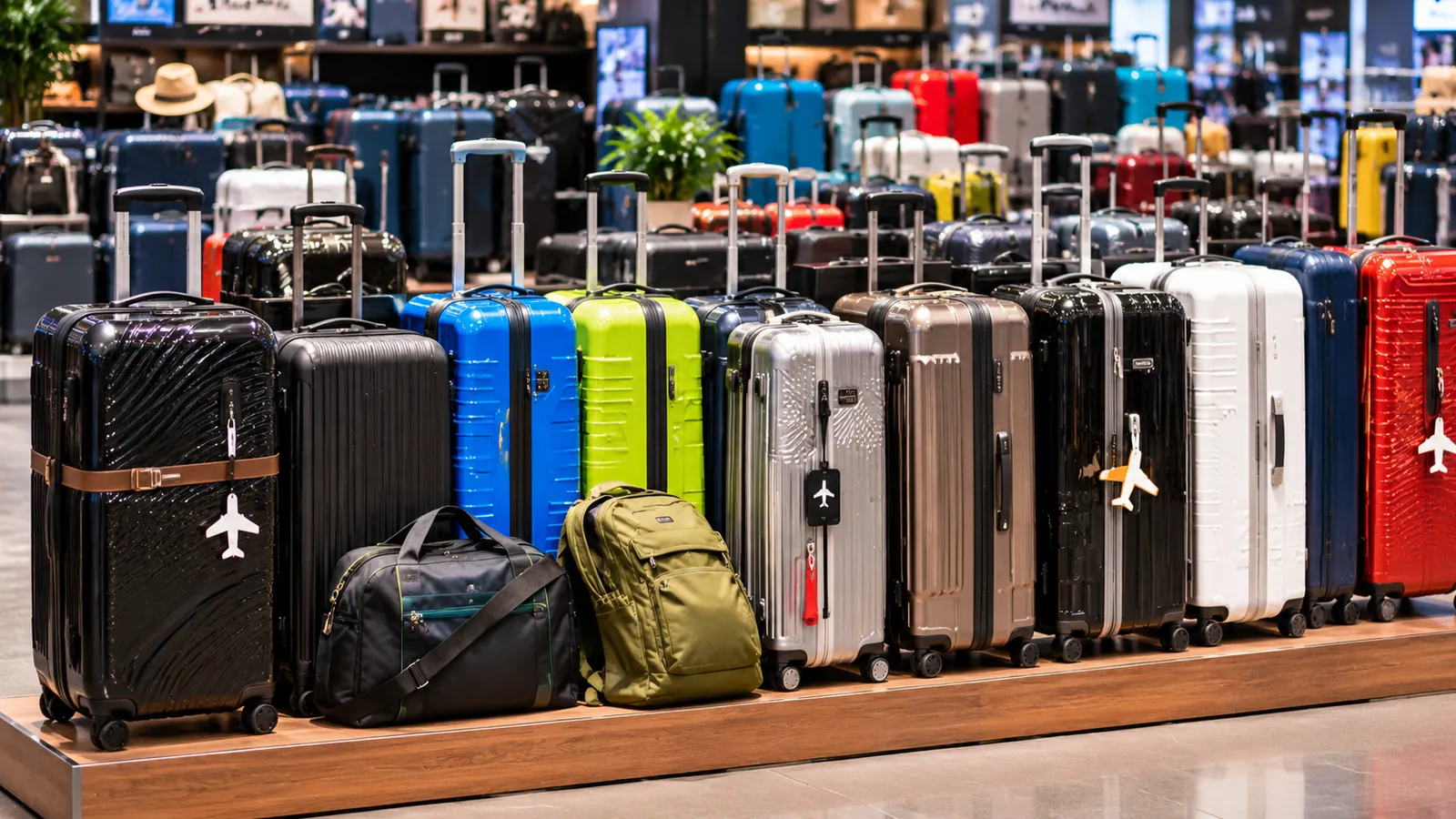
Generally, an airline is responsible for damage to checked baggage and its contents that occurs while the bag is in its care, subject to the rules and liability limits for your journey. It may dispute damage that existed before check in or resulted from poor packing. If a suitcase cannot be repaired, compensation is usually based on its value after allowing for age and use, rather than the price of a brand new replacement.
That distinction matters. A torn corner that exposes your belongings is a stronger claim than a small scuff from normal handling. A broken wheel or handle also deserves a proper assessment: on flights governed by U.S. rules, an airline cannot simply exclude those components from its liability policy, although ordinary wear and tear is different from damage.
The rules for items inside the bag can be more complicated. Airlines may restrict coverage for valuables or fragile goods on some domestic journeys. For international travel to or from the United States, the U.S. Department of Transportation says an airline that accepted those items for transport remains responsible for them, subject to the applicable liability limit. Keep valuables and essential items in your cabin bag whenever possible.
What to Do When You See the Damage
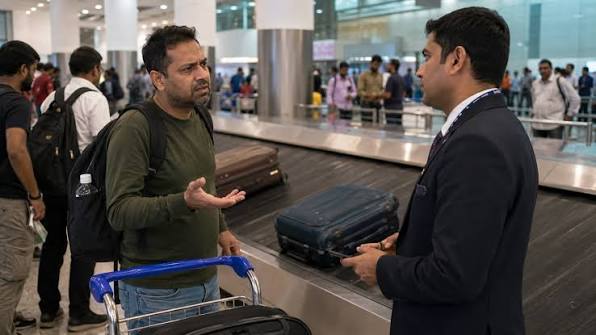
1. Document the bag at the carousel
Before rearranging anything, take clear photos of the entire suitcase, the damaged area, its baggage tag, and any affected contents. Capture the bag open and closed if a broken latch or zipper has left it unsecured.
Look for missing items, tears in the lining, and damage that is easy to overlook, such as a handle that no longer extends. Make a short note of when and where you collected the bag. These details will help if the airline asks you to describe the condition later.
2. Go to the airline’s baggage desk
Find the operating airline’s baggage service desk in the arrivals area. Ask an agent to inspect the suitcase and create a damaged baggage report, often called a Property Irregularity Report or PIR. Get the report number and a copy or photograph of the completed report before you leave.
Explain the damage plainly: “The rear wheel is missing and the case will not roll,” for example. Mention damaged contents separately. If the desk is closed, use the airline’s published baggage reporting channel immediately and keep proof of when you submitted the report.
3. Submit the formal claim
An airport report may start the case, but the airline may still require a separate online claim with photos, a description, and proof of value. Follow the instructions on your report and submit the requested documents promptly.
For international travel covered by the Montreal Convention, make a written complaint about damaged checked baggage within seven days of receiving it. Canada also states a seven day deadline for damaged baggage claims. Domestic rules and airline procedures can differ, so reporting the problem on arrival is the safest approach wherever you fly.
4. Keep the evidence until the claim is resolved
Save your boarding pass, baggage tag, report number, claim confirmation, photos, purchase receipt if you have one, and any repair estimate. Do not throw away the suitcase simply because it looks beyond repair. The airline may ask to inspect it or arrange a repair.
If you must buy another bag to continue your trip, photograph the old one thoroughly first and keep the new purchase receipt. Ask the airline in writing how it wants you to handle the damaged suitcase.
Damaged Luggage Claims at a Glance
There is no single guaranteed payout for a cracked suitcase. The result depends on the evidence, the cause of damage, the applicable rules, and the bag’s value. A liability limit is a ceiling, not an automatic payment.
How Much Compensation Can You Get?
For a U.S. domestic flight, an airline may limit its liability for lost, delayed, or damaged baggage to $4,700 per passenger. It may choose to pay more. That figure does not mean every damaged bag is worth $4,700; a repairable suitcase might justify only the repair cost.
For most international flights covered by the Montreal Convention, the current baggage liability limit is 1,519 Special Drawing Rights (SDRs) per passenger. An SDR is an international unit of account, so its value in your currency changes. The limit applies per passenger, not per suitcase, and a claimant still has to establish the loss.
Your route matters more than the flag on the aircraft. An international itinerary may include a domestic connecting flight while remaining subject to the international baggage rules. If your journey falls outside the Montreal Convention, a different treaty or national rule may apply. Check the airline’s conditions of carriage for the route and describe the whole itinerary when making your claim.
Repair, replacement, or cash?
Airlines commonly assess whether a suitcase can be repaired first. If it can, they may arrange a repair or reimburse an approved repair cost. If it cannot, they may offer a comparable replacement or a cash settlement based on its age, condition, and original value.
Ask what each offer actually provides. A replacement bag might suit you better than a small cash payment, but check its size, quality, and warranty before agreeing. If you have an independent repair estimate or proof that the offered replacement is not comparable, send it with a polite request for reconsideration.
What If You Notice the Damage at Home?
Report it as soon as you discover it. Photograph the suitcase before using or repairing it, then file a claim through the airline’s website or baggage contact number. State when you collected the bag, when you opened it, and why the problem was not visible at the airport.
An internal crack, damaged contents, or a zipper fault may become apparent only when you unpack. The claim is still worth filing, especially if you are within the applicable deadline. The difficulty is evidence: once you have left the airport, the airline may question whether the damage occurred during the flight or afterward.
Do not assume that a phone call alone completes a written complaint requirement. Use a channel that gives you a time stamped confirmation, and save a copy of everything you submit. For a Montreal Convention damage claim, the seven day written complaint deadline is particularly important.
When an Airline May Refuse a Claim
Airlines can reasonably examine whether the damage came from routine wear, an existing defect, or the way the bag was packed. A heavily overfilled case with a burst zipper may raise a different question from a case that arrives with a wheel torn off. The U.S. Department of Transportation says airlines are not responsible for preexisting damage or damage caused by improper packing.
A “fragile” sticker does not, by itself, prove that an airline caused damage or that it owes a particular amount. Similarly, signing a limited release at check in does not necessarily settle every later dispute if there is evidence the carrier caused damage. Describe the facts and keep the documents instead of assuming a label decides your claim.
If the airline rejects your claim, request the reason in writing. Compare that explanation with your photos and the applicable baggage terms. If something has been overlooked, reply with the specific evidence rather than sending the same claim again unchanged.
Practical Tips That Make a Claim Easier
A few minutes of preparation can make a real difference if your suitcase arrives damaged.
Photograph the bag before checking it. A quick image of its condition helps distinguish new damage from old marks.
Keep baggage receipts and tags. Photograph the paper tag before it fades or gets lost.
Inspect the bag before leaving arrivals. Check wheels, handles, zippers, corners, and contents if the case looks open or crushed.
Pack fragile items with proper protection. Avoid placing irreplaceable items in checked luggage.
Keep your wording precise. “The telescopic handle is stuck and the frame is bent” is more useful than “the bag is ruined.”
Check other coverage. Travel insurance, a payment card benefit, or home contents insurance may cover part of a loss the airline does not pay, subject to that policy’s terms.
If you use a mobility aid, tell the airline exactly what has been damaged and what you need to travel safely. Assistive devices can be subject to different requirements from ordinary suitcases, so a standard baggage settlement may not address your immediate needs.
Frequently Asked Questions
Can I claim for a broken luggage wheel?
Yes. Report it and ask the airline to assess it. Under U.S. rules, airlines cannot exclude wheels, handles, straps, and other checked bag components from liability simply by listing them as excluded parts. They can still distinguish actual damage from ordinary wear and tear.
Do I have to report damaged luggage before leaving the airport?
Reporting it before you leave gives you the strongest evidence and is the best practical step. If you missed it, contact the airline immediately, explain when you found the damage, and meet its claim deadline. Leaving the airport does not automatically answer every claim, but it can make the facts harder to establish.
How long do I have to file a damaged baggage claim?
For checked baggage on journeys covered by the Montreal Convention, a written complaint is generally due within seven days of receiving the bag. Check your airline’s procedure as well, particularly for a domestic flight under different rules. File on the day you discover the damage if you can.
Will the airline buy me a brand new suitcase?
It may offer a replacement, but a new bag is not guaranteed. If repair is practical, the airline may choose that route. If the bag cannot be repaired, a cash offer may account for its age and condition. Keep your purchase receipt and any repair assessment to support the value you claim.
Can I claim for clothes or electronics damaged inside?
You can report damaged contents, but coverage depends on the journey, the airline’s terms, the cause of damage, and your evidence. Restrictions that may apply to valuables on a domestic U.S. flight do not necessarily apply in the same way to an international itinerary. Photograph each item and retain proof of ownership and value.
Does travel insurance replace an airline claim?
Usually, you should notify the airline first and also check your policy’s reporting requirements. An insurer may request the airline’s report and decision before considering what remains unpaid. Keep both claims accurate and tell each party about any payment received from the other.
What if the airline offers less than the suitcase is worth?
Ask how it calculated the amount. Provide the original receipt, comparable product details, repair estimate, and evidence of the bag’s condition before the flight. If you cannot agree, use the airline’s complaint process and then the relevant aviation or consumer authority for your route.
Verdict: Act Fast and Keep the Bag
A damaged suitcase does not automatically mean a refund or a brand new replacement, but you may have a valid claim for repair or compensation. Photograph the damage, get an airport report, submit the airline’s formal claim promptly, and keep the suitcase and receipts until the case is closed.
The most avoidable mistake is waiting. Even when the damage seems obvious, a timely written report and a few clear photos give the airline something concrete to assess and give you a much better basis to challenge an inadequate response.
Some links on this page are affiliate links. If you book through one we may earn a commission, at no extra cost to you. It never affects our ratings, our rankings, or the price you pay.