What Happens If Your Luggage Is Overweight?
If your luggage is overweight, you usually have two choices: remove enough items to meet your allowance or pay an excess baggage fee. But there is a crucial exception.
If your luggage is overweight, you usually have two choices: remove enough items to meet your allowance or pay an excess baggage fee. But there is a crucial exception. If one checked bag exceeds the airline’s maximum weight for a single piece, paying more may not help. You may have to split its contents between bags before the airline will accept it.
The answer also depends on which limit you have crossed. A bag can be heavier than your fare permits while still being light enough for the airline to handle. Your ticket, route, travel class and operating airline all matter. Here is how to work out what will happen and make the least expensive practical choice.
First, Understand Which Baggage Limit You Have Exceeded
Airlines use several limits that are easy to confuse:
Your checked baggage allowance: The number of bags or total weight included with your ticket.
The weight limit for each bag: The most a single checked suitcase may weigh under your fare before an overweight charge applies.
The absolute maximum per bag: The heaviest single piece the airline will accept, even if you pay an extra fee.
Your cabin baggage allowance: Separate rules for the bags you bring onto the aircraft.
Some routes use a piece system, such as one checked bag weighing up to 23 kg. Others use a weight system, such as a total checked allowance that you can distribute among permitted bags. Never assume that a generous total allowance lets you put everything into one suitcase.
As a useful reference point, many airlines set a standard checked bag limit around 23 kg (50 lb) and a maximum single bag weight around 32 kg (70 lb). Those figures are common, not universal. The International Air Transport Association notes that baggage rules vary by airline and that 32 kg is the maximum for an individual checked bag in many regions.
What Happens When the Check In Scale Shows Your Bag Is Too Heavy?

The agent or self service bag drop will compare your bag’s weight with the allowance attached to your booking. If it is over, you may be directed to a staffed counter to pay, repack or arrange another bag. The exact process depends on the airport and airline.
If the bag is above your included allowance but within the permitted maximum, the airline may accept it after you pay an excess weight charge. The charge might be a flat fee for a weight band or a price for each additional kilogram.
If the bag is above the maximum allowed for one piece, the agent can refuse to check it in that condition. Air India, for example, states that the maximum weight for one checked piece across its network is 32 kg (70 lb). British Airways also says it will not accept a checked bag over 32 kg under its ordinary baggage rules.
You may need to open the suitcase at the counter, move items into another permitted bag, buy an additional checked bag or leave some belongings behind. That is why an overweight bag becomes much more stressful close to the check in deadline.
Overweight Baggage Fees: How Airlines Calculate the Cost
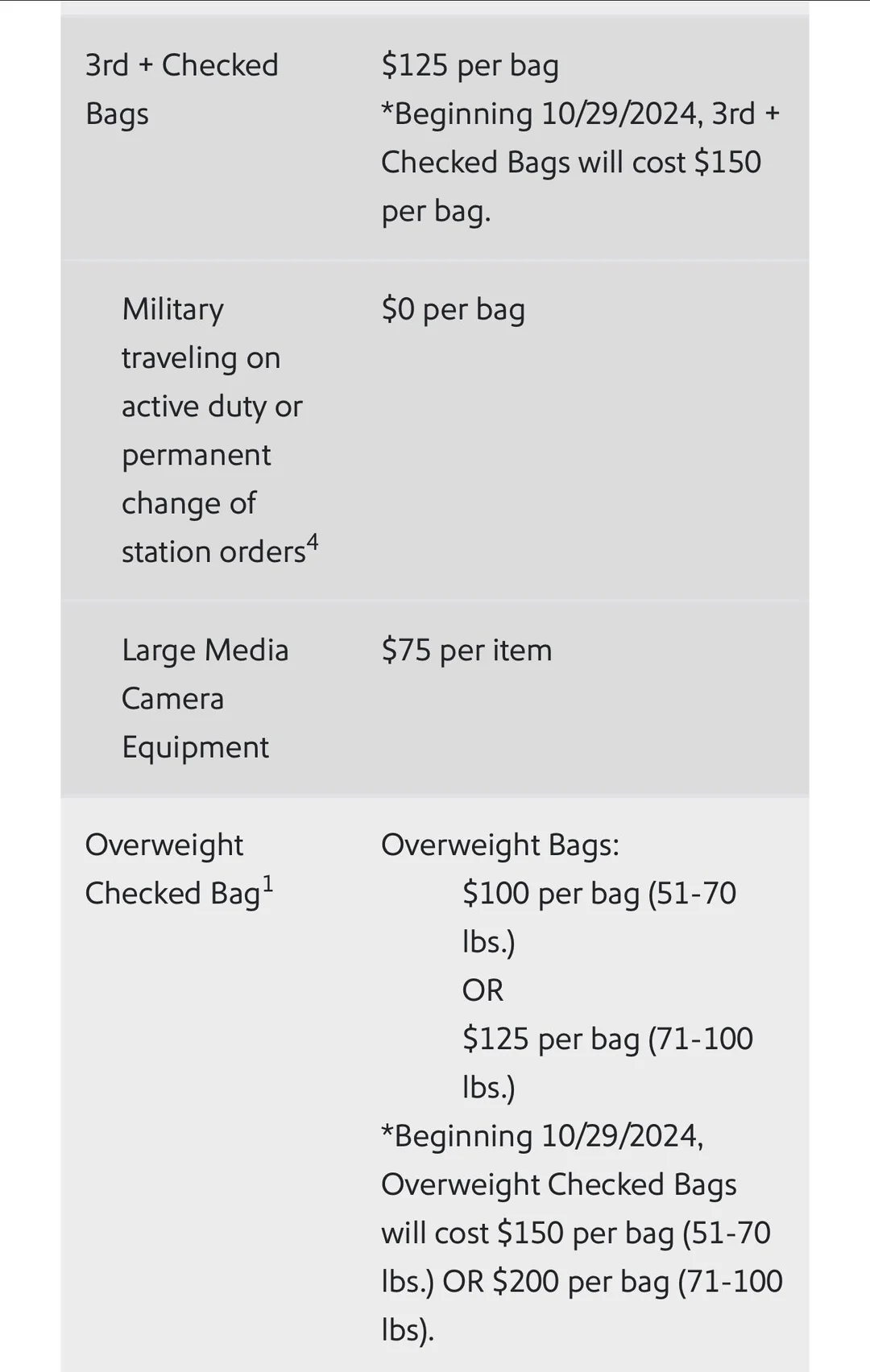
There is no universal overweight luggage fee. Some airlines charge for every extra kilogram, while others charge a fixed amount once a bag enters a particular weight range. An overweight fee can also be separate from the basic charge for checking a bag.
These published examples show why checking your own itinerary matters:
These are examples, not quotes for every flight. Currency, route, ticket conditions, exceptions and restrictions can change the amount you owe. Check the baggage page for the airline operating your flight and the allowance shown on your current ticket before paying.
Can You Pay for an Overweight Bag Online?
Sometimes. Airlines commonly let you purchase additional checked baggage or extra weight through Manage Booking, their app or customer support. Advance purchases may cost less than paying at the airport, but the option and deadline vary.
Do not confuse buying another bag with raising the maximum weight of your existing bag. An extra piece allowance will not make a 35 kg suitcase acceptable on an airline with a 32 kg limit. Air India advises travelers to check their booking for available excess baggage purchases, while IndiGo offers advance excess baggage options with booking deadlines that depend on the journey.
What to Do If Your Bag Is Overweight at the Airport

1. Ask for the exact weight and applicable allowance
Check whether the problem is a few hundred grams, several kilograms or the maximum single bag limit. Ask the agent what charge applies and whether paying it will allow that specific bag to travel.
Your booking might include a higher allowance through your travel class, frequent flyer status or a purchased baggage option. Having the confirmation available on your phone can help staff check it quickly.
2. Weigh your alternatives before opening the suitcase
If you are only slightly over, moving a book or jacket may solve the problem. If you are far over, compare the excess weight charge with the cost of another checked bag. Remember that an additional bag must also comply with the airline’s size and weight limits.
Make this decision before joining a payment queue if possible. Ask whether the fee covers the entire journey and whether a connecting airline will assess the bag again.
3. Repack somewhere safe and out of the way
Move to the designated repacking area if the airport has one. Keep passports, medication, valuables and travel documents with you, and make sure every bag can close securely after you redistribute the contents.
Do not move items into your carry on without checking its allowance. A cabin bag that becomes too heavy or too large can be rejected at security, check in or the gate, depending on the airline’s process.
4. Check restricted items before moving them
Repacking changes where your belongings will travel. Power banks and spare lithium batteries belong in cabin baggage, not checked luggage, according to the US Transportation Security Administration. Rules for liquids, sharp objects and other items may also differ between cabin and checked bags.
If an agent asks you to check a cabin bag at the gate, remove any power bank and other items that must stay with you first. When in doubt, ask staff to verify an item before transferring it.
5. Pay, get a receipt and verify the bag tag
If paying is your best option, check the amount before completing the transaction and keep the receipt. Confirm that the destination printed on your baggage tag matches where the bag is supposed to go.
Leave time to clear security and reach the gate. Repacking, payment and another trip through the check in line can take longer than expected.
Can You Put the Extra Weight in Your Carry On?
Only if the cabin bag still meets every applicable rule. Check its permitted weight, dimensions and number of pieces. A small personal item is not automatically an unlimited second carry on.
Also think about what you are moving. A heavy laptop charger might fit easily in a cabin bag; a bottle of shampoo might be restricted by security rules. Dense items can make a small backpack surprisingly heavy, so weigh it after repacking.
Wearing a coat or heavier shoes can sometimes free a little space, provided you can travel comfortably and comply with security instructions. Trying to conceal an extra bag or ignoring a cabin weight limit can simply move the problem from check in to the boarding gate.
What If You Have a Connecting Flight or Two Airlines?
Read the baggage information on your ticket for the complete itinerary. A connection on another airline can bring different rules, and separately booked flights may require you to collect and recheck your bags.
The key question is whether your baggage is tagged through to your final destination. If you must recheck it, allow time for another weigh in and any payment. Ask the first airline how its charge applies to your journey, then check the second airline’s restrictions too.
Smaller aircraft and particular destinations may impose tighter baggage limits. Delta, for instance, lists route and aircraft related restrictions on excess baggage. A fee paid on one leg is not a promise that every later flight can carry an unusually heavy bag.
How to Avoid Overweight Luggage Before You Leave Home
Check the allowance attached to your actual ticket
Search the airline’s site using your booking reference or review your latest e-ticket. Look for the number of bags, the weight allowed per piece, any total weight allowance and the rules for both outbound and return flights.
A return suitcase often weighs more after shopping. If you expect that, compare advance baggage options while you still have time to change your packing plan.
Weigh the packed bag properly
Use a luggage scale after the suitcase is fully packed, including toiletries, shoes and the bag itself. If you use a bathroom scale, weigh yourself with and without the bag and subtract the two readings.
Leave a small margin below the limit because scales and packing can vary. A suitcase that reads exactly 23.0 kg at home gives you no room for a last minute item.
Compare the cost of more weight with another bag
If your airline prices excess weight by the kilogram, even a modest overage can add up. An additional bag may be cheaper, but it may carry its own piece fee. Compare the total price for your route, not just the headline charge.
Check whether the bag is also oversized. Depending on the airline, size and weight charges may be combined or assessed separately. Delta explicitly warns that multiple charges can apply to one item.
Pro Tips for Travelers With Heavy Bags
Keep a foldable spare bag handy. It gives you a way to split a suitcase that exceeds a single piece limit, provided you can purchase or use another checked bag.
Pack the heaviest items where you can reach them. You can adjust a small overage without emptying your suitcase across the airport floor.
Photograph your baggage allowance and prepaid receipt. Keep the booking reference visible so an agent can locate the purchase.
Ask about the full itinerary before paying. Confirm whether the charge covers a connection and what happens if you must recheck the bag.
Allow extra airport time if you know you are close to the limit. A few minutes spent repacking can become a missed check in deadline if you arrive late.
One more practical point: be courteous when asking the agent about your options, but budget on the assumption that the published rule will be enforced. A tiny difference on a scale may be handled differently from airport to airport; it is never a reliable packing strategy.
Frequently Asked Questions
Will the airline let me fly if my checked bag is overweight?
Usually, yes, if the bag remains within the airline’s maximum weight and you pay any applicable charge or remove enough items. If it exceeds the maximum for a single bag, you may have to split it before it can be checked.
How much do airlines charge for overweight luggage?
It depends on the airline, route and weight. Charges may be per kilogram or per weight band, and a basic checked bag fee may also apply. Check the operating airline’s current fee page against your ticket.
What happens if my bag is only 1 kg overweight?
The airline can still charge you under its published policy. Repacking a few items may be cheaper and faster, provided your other bags remain within their limits.
Can two travelers combine their checked baggage allowances?
Do not assume so. Rules differ by airline and fare, and a maximum weight for each individual bag still applies. British Airways, for example, says its 23 kg allowance is per bag and cannot be split between multiple bags.
Is paying for excess baggage in advance cheaper?
It can be, especially when an airline offers discounted advance options. Compare the price and purchase deadline shown for your booking. Advance payment does not override the maximum permitted weight for one suitcase.
Can I take items out at the check in counter?
Usually, staff will let you repack, though they may direct you to a separate area so the queue can keep moving. Check cabin baggage and security restrictions before moving items into a carry on.
Is an overweight carry on treated the same as an overweight checked bag?
No. Cabin bags have their own weight, size and piece limits. You may have to remove items or check the bag, potentially for a fee, if it exceeds the allowance for your flight.
Verdict: Fix the Weight Before You Reach the Counter
An overweight suitcase is usually manageable when you discover it early. Check your ticket, weigh each bag and compare the cost of advance excess baggage with taking another permitted bag. Keep every individual suitcase below the airline’s absolute maximum.
If the airport scale catches the problem, ask for the exact limit and price first. Then repack or pay, check where the bag is tagged and keep your receipt. Those few steps will tell you what happens next and help you get your belongings onto the flight without an avoidable last minute scramble.
Some links on this page are affiliate links. If you book through one we may earn a commission, at no extra cost to you. It never affects our ratings, our rankings, or the price you pay.