Why Do Hotels Put a Hold on Your Credit Card?
Hotels put a hold on your credit card to secure payment for your stay and any additional expenses before your final bill is known.
Hotels put a hold on your credit card to secure payment for your stay and any additional expenses before your final bill is known. This temporary authorization can cover unpaid room charges, taxes, parking, meals, and an allowance for incidentals.
Seeing a pending amount larger than your booking price can be unsettling, especially when you have already paid for the room. However, a hotel credit card hold usually means part of your available credit has been reserved, rather than a completed payment being collected.
Understanding that difference helps you avoid unnecessary worry, budget accurately, and recognize when a transaction needs attention.
What Is a Hotel Credit Card Hold?
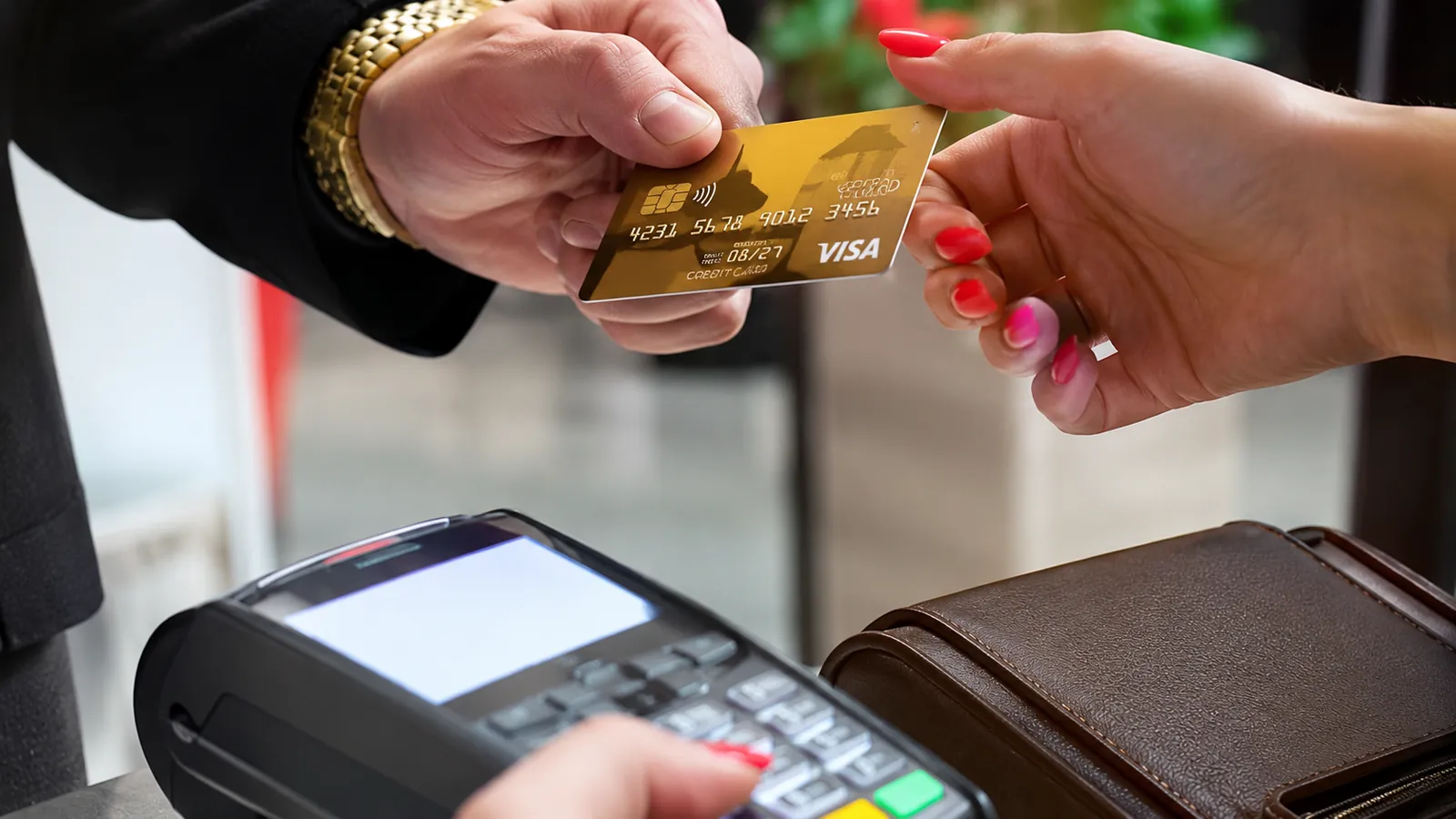
A hotel credit card hold, also called a preauthorization or authorization hold, temporarily reserves part of your available credit. The hotel requests authorization through its payment system, and your card issuer approves or declines it.
For example, suppose you have $2,000 in available credit and the hotel authorizes $600. Your available credit may fall to $1,400 while that authorization remains active.
The pending amount is an estimate. Your final bill depends on your actual room charges and any extras you purchase during the stay.
Chase explains that merchants use authorization holds to check that a card is valid and sufficient credit is available before the final transaction amount is known.
A Hold Is Different From a Completed Charge
A pending authorization reserves spending capacity. A posted charge represents a completed transaction added to your credit card balance.
An unused hold generally disappears when it is released or expires. You usually will not see a separate refund because the hotel never collected that unused amount as a completed payment.
Banking apps display transactions differently, so check the transaction status rather than judging by the amount alone.
Why Do Hotels Need a Credit Card Hold?

Hotels provide accommodation before they know exactly what every guest will owe. A hold gives them payment security while allowing guests to charge approved purchases to their rooms.
To Cover Unpaid Room Charges
If you booked a rate payable at the property, the authorization may include the anticipated accommodation bill and taxes.
Some properties also include applicable mandatory fees. Marriott’s digital entry terms, for example, describe an authorization covering room charges, taxes, applicable resort fees, and a daily incidental allowance.
To Cover Incidentals
Incidentals are additional expenses associated with your stay. Depending on the property, they can include:
Room service and restaurant purchases charged to your room
Minibar items
Parking or valet services
Laundry services
Spa treatments
Other paid hotel services
The incidental allowance is a financial buffer. It does not mean you must spend that amount, and unused credit should become available again after the authorization clears.
To Secure Potential Additional Charges
Some properties also require security for charges associated with damage or breaches of hotel rules, such as smoking in a designated nonsmoking room.
A hold does not establish that you caused damage or owe a penalty. If an unexpected charge posts, ask the hotel for the relevant policy and supporting details.
How Much Do Hotels Hold on Your Credit Card?

There is no universal hotel hold amount. Properties can apply different requirements even within the same hotel brand.
The authorization may be a fixed amount per stay, a daily incidental allowance, or the estimated unpaid bill plus incidentals. Your length of stay and the property’s payment policy both matter.
An Illustrative Calculation
Imagine you book three nights at $180 per night. Estimated taxes total $60, and the property requires an incidental authorization of $75 per night.
| Component | Calculation | Amount |
|---|---|---|
| Room charges | $180 × 3 nights | $540 |
| Estimated taxes | Total for the stay | $60 |
| Incidental allowance | $75 × 3 nights | $225 |
| Possible initial authorization | Room, taxes, and incidentals | $825 |
These figures illustrate the calculation; they are not standard hotel rates.
If you spend $40 on parking and nothing else, your final bill in this example would be $640. The unused incidental allowance would not become an additional charge.
If your room and taxes were already paid, the property might authorize only $225 for incidentals, plus any outstanding fees. Confirm the actual calculation before presenting your card.
Hotel Holds, Deposits, and Charges Compared
Hotels sometimes use “deposit” loosely, which can make their payment requirements confusing. Ask whether money will be collected or temporarily authorized.
| Payment type | What it does | Effect on your account | What happens afterward |
|---|---|---|---|
| Credit card authorization hold | Reserves credit for anticipated expenses | Reduces available credit | Unused authorization clears |
| Debit card authorization hold | Reserves funds linked to your bank account | Reduces available bank funds | Unused funds become available after release |
| Advance room payment | Pays accommodation costs before arrival | Creates a completed payment | Refund eligibility follows booking terms |
| Charged refundable security deposit | Collects security money as a payment | Creates a posted charge | Eligible money requires a refund |
| Final hotel charge | Collects the actual amount owed | Adds a completed transaction | Remains payable unless corrected or refunded |
A released hold and a refunded deposit follow different processes. Knowing which one applies makes it easier to ask the right questions.
Why Is There a Hold When You Already Paid?
Prepaying for accommodation does not necessarily cover every expense incurred at the hotel.
Your advance payment might cover the room and taxes while leaving parking, meals, other services, or certain property fees payable separately. The hotel may therefore still request a card for incidentals.
Hilton specifically explains that guests who paid in advance may need a card at arrival for an incidental hold covering items such as food, drinks, parking, and gratuities.
The same practical issue can arise with reward stays or reservations paid by someone else. Ask which expenses are covered and which remain your responsibility.
Bring your payment confirmation if the hotel appears to be authorizing accommodation costs that you have already paid.
When Do Hotels Place the Hold?
A hotel may verify your card before arrival, although the main stay authorization commonly happens at check in. Digital check in can also trigger authorization.
Providing a card when booking does not always mean the hotel immediately collects payment. Booking guarantees, advance payments, and arrival authorizations serve different purposes.
During your stay, the property may request additional authorization if you extend your visit or accumulate expenses beyond the original estimate.
Before extending a reservation, ask how the change affects both your final price and the amount temporarily reserved.
How Long Does a Hotel Credit Card Hold Last?
The hold can remain active during your stay and for a period after departure. There is no release deadline that applies to every hotel and card issuer.
The hotel’s payment processing and the issuer’s handling of the authorization both affect when your available credit returns.
For context, Marriott’s digital entry terms state that the issuing bank may retain the hold for up to five business days after departure. Hilton describes release within 72 hours while noting that a card provider may take longer. These are examples, rather than guarantees for every reservation.
Weekends and holidays matter when a quoted timeframe uses business days. Ask the property and your issuer which timeframe applies to your transaction.
Credit Card Versus Debit Card Holds
The biggest difference is what becomes temporarily unavailable.
With a credit card, the authorization reduces your available borrowing capacity. With a debit card, it reduces access to funds associated with your bank account.
That distinction matters if you need the same money for meals, transport, or other bills. Even a temporary debit authorization can disrupt a carefully planned travel budget.
If you have a suitable credit card, using it for the hotel authorization can preserve access to your bank funds. You still need enough available credit for the hold and your other purchases.
Check whether the property accepts your particular card. Prepaid cards, virtual cards, and certain debit cards may have restrictions.
How to Manage a Hotel Hold Step by Step
1. Confirm the Requirement Before Arrival
Contact the property and ask for the total authorization amount for your specific reservation.
Clarify whether it includes unpaid room charges, taxes, mandatory fees, and a daily or fixed incidental allowance. Also ask about accepted payment methods.
2. Leave Enough Spending Capacity
Budget for the room bill plus the temporary authorization, rather than the advertised room price alone.
If your trip includes several hotels or a rental car, remember that earlier authorizations may remain active when the next business requests its hold.
3. Check the Amount at Arrival
Ask the receptionist to explain the authorization before processing your card.
If it exceeds what you expected, review the number of nights, payment status, and incidental calculation. Resolving a mistake immediately is easier than tracing it after departure.
4. Review Your Final Bill
At checkout, obtain an itemized receipt, often called a hotel folio.
Check accommodation charges, parking, restaurant purchases, and other extras. Raise unfamiliar items while staff can investigate them directly.
5. Monitor the Transaction Status
After departure, check which entries remain pending and which have posted.
Keep your receipt until the final payment is correct and the unused authorization has cleared.
What If the Hold Has Not Disappeared?
Start with the hotel’s billing team. Provide your stay dates, reservation number, authorization amount, and the last four digits of the card.
Ask whether the final bill has been settled and whether the unused authorization has been reversed or released. Request a reference number or written confirmation if available.
Then contact your card issuer. Ask it to identify the remaining authorization, explain its expected expiry, and tell you whether documentation from the hotel would help.
Report suspected fraud promptly, even if the transaction is pending. For an ordinary billing disagreement, the issuer may require a transaction to post before accepting a formal dispute; Chase notes that pending transactions generally cannot yet be disputed.
Why Does It Look Like the Hotel Charged You Twice?
Sometimes the original authorization remains visible while the final payment appears separately.
For example, you might see an $825 pending authorization alongside a $640 posted payment. That display can temporarily reduce your spending capacity, but it does not by itself prove two completed payments were collected.
Check the status of both entries and compare the posted amount with your receipt.
Two posted charges require closer investigation. Ask the hotel whether one is an error or a separate legitimate expense, then involve your issuer if the problem remains unresolved.
Pro Tips to Avoid Hotel Hold Problems
A few questions before arrival can prevent a frustrating conversation afterward.
Ask for the total, not just the nightly allowance. A modest daily authorization becomes substantial over a long stay.
Confirm prepaid charges are recognized. Keep the booking receipt accessible.
Allow room for overlapping holds. This is particularly useful on trips involving several properties.
Discuss payment changes before checkout. Using a different card may leave the original authorization visible temporarily.
Ask about alternatives early. Cash deposits or reduced allowances depend on property policy.
Keep the final folio. It helps both the hotel and issuer trace discrepancies.
If your available credit is tight, speak to the property before booking. Discovering the authorization requirement at reception leaves fewer options.
Frequently Asked Questions
1. Do All Hotels Put a Hold on Your Credit Card?
No. Many hotels require an authorization, but practices vary by property, payment method, and reservation terms. Some accept other security arrangements, while others require a qualifying card.
2. Can You Refuse a Hotel Credit Card Hold?
You can ask for an alternative, but the property may require its stated payment security before allowing check in. Confirm acceptable arrangements before arrival rather than assuming you can opt out.
3. Do You Get the Entire Hold Back?
The unused authorization should clear. You still owe legitimate expenses from your stay, so the final payment may include room charges and incidentals actually purchased.
4. Can a Hotel Hold More Than Your Room Price?
Yes. The authorization can include unpaid accommodation costs, taxes, fees, and an incidental allowance. Ask for an itemized explanation if the amount does not match the disclosed policy.
5. Can You Pay Cash and Still Need a Card?
Yes. A property may accept cash for accommodation while requiring a card for incidentals or security. Other hotels accept cash deposits, but you must confirm that option directly.
6. Does a Pending Hold Mean You Owe That Amount?
Not necessarily. It is an authorization estimate rather than proof of your final bill. Check your itemized receipt and the transaction’s posted status to establish what was actually collected.
7. Will Avoiding Room Service Prevent the Hold?
Usually, declining optional services does not automatically remove a property’s security requirement. Ask whether the hotel offers a reduced authorization when room charging privileges are disabled.
Final Verdict
Hotels put a hold on your credit card because your final bill may include more than the room price. The authorization reserves payment capacity until the property settles your actual expenses.
Before arrival, confirm the amount and leave enough credit available. At checkout, review your receipt; afterward, distinguish pending authorizations from posted payments.
If the hold outlasts the timeframe you were given, contact both the hotel and your issuer with the transaction details. That approach helps resolve the issue without confusing a temporary reservation of credit with an actual extra charge.
Some links on this page are affiliate links. If you book through one we may earn a commission, at no extra cost to you. It never affects our ratings, our rankings, or the price you pay.