Can You Pay for a Hotel With a Debit Card?
Yes, you can pay for a hotel with a debit card at many properties, but accepting payment and accepting a card for check-in are sometimes different things.
Yes, you can pay for a hotel with a debit card at many properties, but accepting payment and accepting a card for check-in are sometimes different things. Before booking, confirm whether the hotel accepts your debit card for the room bill, the security deposit, and any temporary authorization hold.
That last detail matters more than most travelers expect. A room might fit comfortably within your budget, while the hotel’s additional hold leaves you short of money for meals, transport, or other bookings.
Using a debit card can work perfectly well when you understand the property’s rules and keep enough money available. Here is how to avoid payment surprises from booking through checkout.
Do Hotels Accept Debit Cards?
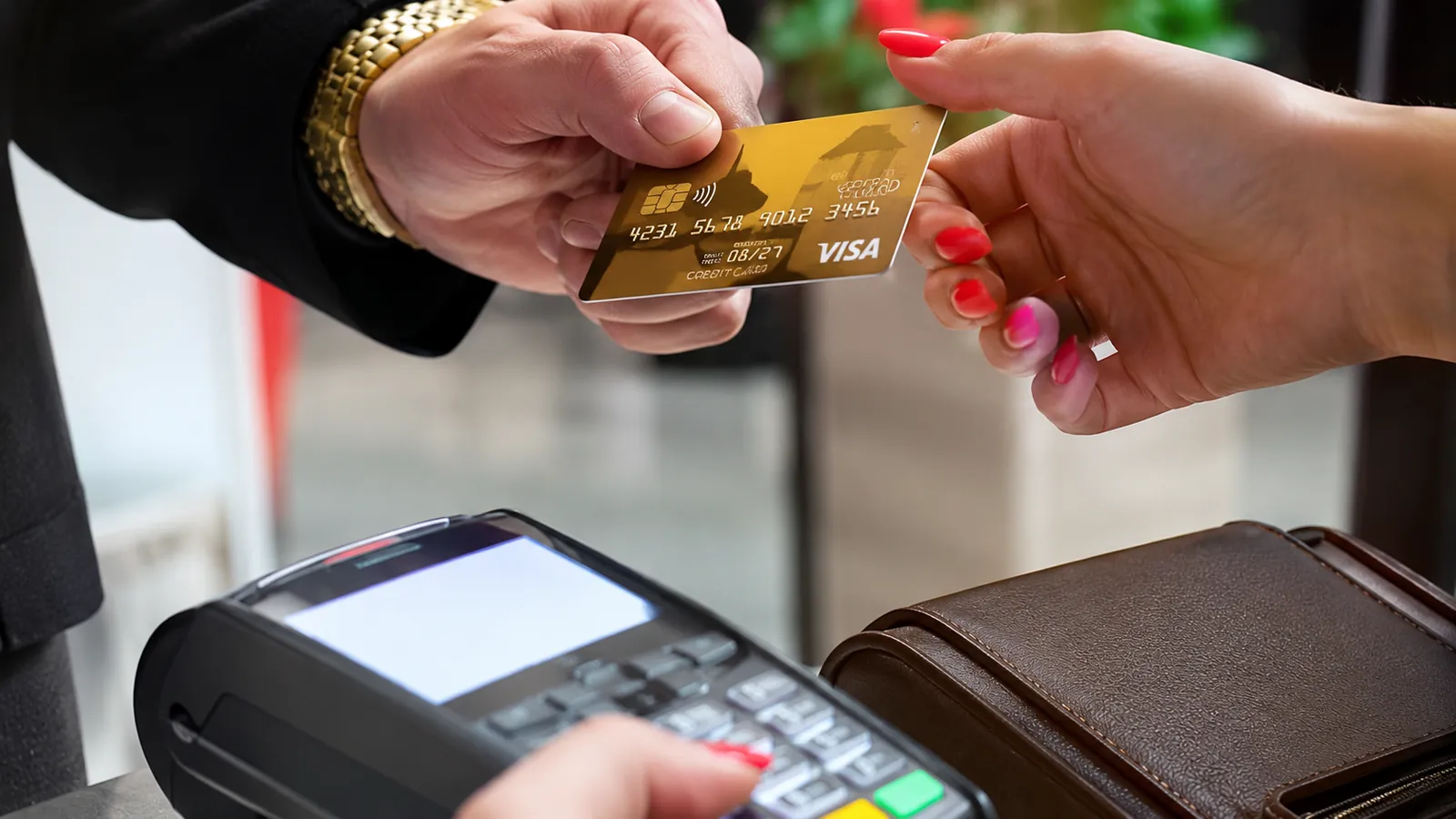
Many hotels accept debit cards issued through major payment networks, such as Visa and Mastercard. However, acceptance depends on the individual property, the card type, and whether you are booking online or paying at reception.
Hilton states that it accepts major credit and debit cards for stays booked online and through its reservation service. Its booking guidance also allows either card type to guarantee a reservation.
Never assume that online acceptance guarantees acceptance at check-in. A booking website might successfully collect your room payment while the hotel separately requires a credit card to secure additional charges.
For example, Hilton Niagara Falls states that guests must present a credit card at check-in, even though its payment policy discusses debit card payments. This illustrates why checking the specific hotel’s policy matters.
Booking, Check-In, and Checkout Are Separate Stages
A hotel can use your card differently at each stage:
Booking: To guarantee the reservation or collect an advance payment.
Check-in: To authorize unpaid accommodation costs and an incidental allowance.
Checkout: To collect the final amount owed.
Ask about all three stages, especially if you do not have a credit card available.
How Hotel Debit Card Payments Work

Your booking rate determines when the hotel collects payment. The phrase “debit card accepted” does not tell you whether money will leave your account immediately.
Paying When You Book
With a prepaid rate, the hotel or booking platform collects payment before your stay. Some reservations require only a deposit, while others require the full accommodation amount.
Check the cancellation conditions carefully. Paying by debit card does not make a nonrefundable reservation refundable, and a lower prepaid price may come with stricter cancellation terms.
Reserving Now and Paying Later
A flexible reservation may use your debit card as a guarantee without collecting the room payment immediately. However, the property might validate the card or collect payment before arrival under the booking terms.
Hilton’s guidance identifies advance purchase reservations and bookings requiring a deposit as situations where payment can be collected when booking. Cancellation charges depend on the reservation’s cancellation policy.
Paying at the Hotel
For payment at the property, staff may authorize your card at arrival and settle the bill later. Alternatively, they may collect the room payment immediately and arrange a separate deposit or hold.
Ask whether the amount shown on the terminal is an actual payment or a temporary authorization. Both can reduce your available balance, but they are processed differently.
What Is a Hotel Authorization Hold?
An authorization hold temporarily reserves money in your account so the hotel can collect eligible charges. It usually appears as a pending transaction rather than a completed payment.
The authorized amount may include unpaid room charges, taxes, applicable fees, and an allowance for incidentals. Marriott’s digital entry terms describe an authorization covering accommodation, taxes, applicable resort fees, and a daily incidental amount that varies by location.
Incidentals can include room service, restaurant purchases charged to your room, parking, or other extras.
A debit card hold reduces the money you can spend from your bank account. A credit card hold generally reduces available credit instead, which is why the same hotel procedure can feel much more restrictive when using debit.
A Hold Is Different From a Charged Deposit
Hotels sometimes use “deposit” loosely, so clarify what staff mean.
An authorization hold reserves funds without completing a purchase. A charged deposit is an actual payment that may later be applied to your bill or refunded according to the property’s terms.
The distinction affects how you track the transaction and what happens after checkout.
How Much Money Should You Have Available?
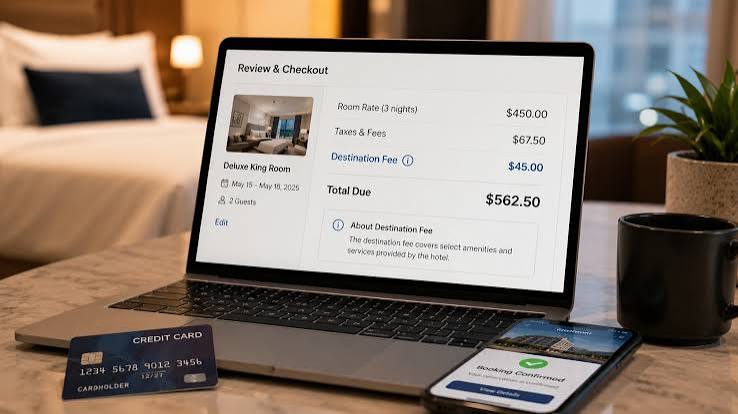
You need enough available money for the hotel’s full payment or authorization requirement, plus your other spending. Covering the advertised room price alone may not be enough.
Consider this illustrative example, rather than a standard hotel policy:
| Item | Example amount |
|---|---|
| Three nights at $140 per night | $420 |
| Total taxes and applicable fees | $60 |
| Incidental hold of $75 per night | $225 |
| Possible authorization at arrival | $705 |
If your available bank balance is $600, a $705 authorization could be declined even though the accommodation itself costs $480.
If the room is already prepaid, ask whether the hotel will authorize only incidentals and any unpaid charges. Do not assume its system has correctly recognized your advance payment.
Also account for upcoming direct debits, transport payments, and other pending transactions. Your available balance is the useful figure, rather than a balance that still includes money reserved elsewhere.
Debit Card vs Credit Card for Hotel Payments
Both can pay a hotel bill where accepted, but their effect on your travel budget differs.
| Consideration | Debit card | Credit card |
|---|---|---|
| Source of payment | Money in your bank account | Available credit |
| Effect of a hotel hold | Reduces spendable bank funds | Reduces available credit |
| Acceptance at check-in | Depends on property policy | Often accepted, subject to policy |
| Budget management | Uses existing money | Requires repayment |
| Payment dispute process | Depends on issuer and local rules | Depends on issuer and local rules |
| Rewards and insurance | Depend on the card | Depend on the card |
| Main planning concern | Enough funds for payment and holds | Enough credit for payment and holds |
A debit card can suit travelers who prefer to use existing funds. A credit card may make temporary holds easier to manage, provided you can repay the bill responsibly.
Neither card removes the need to read the hotel’s payment and cancellation conditions.
How to Pay for a Hotel With a Debit Card
1. Contact the Exact Property
Ask reception or the reservations team whether debit cards are accepted for both payment and the check-in guarantee.
Explain your card type, particularly if it is foreign issued, prepaid, or available only through a digital wallet. Request written confirmation if the published policy is unclear.
2. Get the Full Amount
Ask for the room total, taxes, mandatory fees, and security requirement. Confirm whether the incidental amount is charged per night or once for the entire stay.
A useful question is: “What total amount will you authorize or charge when I arrive?”
3. Check Your Card With Your Bank
Review your card’s purchase limit and international payment settings if traveling abroad. A sufficient balance will not help if the authorization exceeds a transaction limit or the bank blocks it.
Make sure you can access your banking app and receive any required security verification while away.
4. Prepare Enough Available Funds
Keep a buffer beyond the amount the hotel quotes. Your travel spending should remain covered while the hold is active, including after departure.
If you are visiting several hotels, allow for the possibility that holds from earlier stays will still be pending.
5. Bring Identification and Your Card
Bring the physical card when possible, along with the identification required by the hotel. Confirm any arrangements involving a card in someone else’s name before arrival.
Do not rely on a virtual card or mobile wallet unless the property has confirmed it can complete its check-in process that way.
6. Confirm the Transaction at Reception
Before approving the terminal request, ask staff to explain the payment and hold amounts. Mention any room payment already collected by a booking platform.
Keep the confirmation or receipt so you can compare it with your banking transactions later.
7. Review Your Bill at Checkout
Check the itemized bill for accommodation, taxes, fees, and extras. Ask when the hotel expects to submit the final payment and release unused authorization funds.
Keep your final receipt until the bank account activity matches the bill.
How Long Does a Hotel Debit Card Hold Last?
There is no single release period that applies to every hotel and bank. Checkout does not necessarily make the reserved money immediately available.
Hilton’s payment guidance says holds are released within 72 hours, while also warning that the card provider may take longer. IHG’s mobile check-in terms warn that funds may remain unavailable for at least 72 hours or longer after checkout, depending on the financial institution.
Treat any estimate as guidance rather than a promise for your particular account. Ask both the hotel and your bank about the expected timeframe.
If a hold remains beyond that timeframe, contact the hotel to confirm it has completed the release process. Then ask your bank to investigate the pending authorization using your receipt and transaction details.
Why Might a Hotel Decline Your Debit Card?
A decline can happen even when the card works for ordinary purchases. The hotel might require a credit card, or your debit card might not support the necessary authorization.
Other possible reasons include:
Insufficient available funds for the total authorization.
A purchase limit below the hotel’s requested amount.
An international payment restriction.
A bank security check.
A card type the property does not accept.
A mismatch between the guest’s details and an approved payment arrangement.
Ask what caused the problem before trying repeatedly. Check whether previous attempts created pending authorizations, then contact your bank or use an alternative payment method approved by the hotel.
What If You Book Through a Travel Website?
A booking platform and a hotel may collect different parts of your total cost. The platform could charge for accommodation while the property collects local taxes, parking, or its security requirement.
Read the payment breakdown to identify who collects each amount and when.
A prepaid confirmation does not automatically remove the need to provide a card at check-in. Contact the hotel directly to establish what remains payable and what guarantee it requires.
If the property cannot accept your available card, resolve that before the cancellation deadline. Waiting until arrival can leave you with fewer options.
Pro Tips for Using a Debit Card at Hotels
Choose a hotel with a manageable hold. When comparing similar properties, the incidental requirement can matter as much as a small difference in room price.
Ask whether paying for extras separately changes the hold. Some properties may offer an arrangement that suits your budget, but any reduction depends on their policy.
Plan carefully when changing payment cards. Paying the final bill with another card may leave the original debit authorization pending temporarily.
Keep household payments protected. Avoid leaving your bank account so tight that a hotel hold interferes with rent, utilities, or other scheduled payments.
Check foreign currency costs before traveling. Ask your bank about conversion charges and compare any currency options presented at the terminal before accepting one.
Enable transaction alerts. Notifications make it easier to spot additional authorizations, completed payments, and unexpected charges while you can still speak to reception.
Frequently Asked Questions
Can you book a hotel online with a debit card?
Yes, many hotels and booking platforms accept debit cards online. However, confirm the hotel’s arrival requirements separately, since online payment acceptance does not necessarily satisfy its check-in guarantee policy.
Can you check into a hotel without a credit card?
Sometimes. A property may accept a debit card or another approved security arrangement, while another may require a credit card. Confirm the exact policy before making a reservation you cannot easily cancel.
Will a hotel take a deposit if the room is already paid for?
It may still require a deposit or authorization for incidentals and other eligible charges. Ask the hotel to distinguish prepaid accommodation from its separate security requirement.
Can you use a prepaid debit card?
Possibly, but acceptance can be more restrictive. A property may accept a prepaid card for the final bill while declining it for an authorization hold, so confirm both uses.
Does selecting “credit” make a debit card work like a credit card?
No. Selecting that option may change how a payment is processed, but your debit card still draws on your bank account. It does not create a credit limit or remove the effect of a hold.
Can you pay cash instead of using a debit card?
Some hotels accept cash for the room bill, but they may still require a card or a separate security deposit. Ask specifically about check-in requirements rather than only cash payment acceptance.
Why does my account show a hotel payment and a pending hold?
A completed payment and an earlier authorization can temporarily appear together. Compare the completed charge with your final bill, ask the hotel about the pending hold, and contact your bank if it persists beyond the expected timeframe.
Final Verdict
You can pay for a hotel with a debit card at many properties, provided the hotel accepts it for the required stages of your stay and your available balance covers its authorization.
Confirm the policy, get the full amount in advance, and keep enough money for everyday spending while funds are reserved. Those steps make debit card hotel payments much easier to manage.
Some links on this page are affiliate links. If you book through one we may earn a commission, at no extra cost to you. It never affects our ratings, our rankings, or the price you pay.