When Does a Hotel Charge Your Credit Card?
When does a hotel charge your credit card? It depends on your booking: the hotel may take payment when you reserve, collect a deposit before arrival, charge you at check in, or settle the bill at checkout.
When does a hotel charge your credit card? It depends on your booking: the hotel may take payment when you reserve, collect a deposit before arrival, charge you at check in, or settle the bill at checkout. A transaction appearing in your banking app could also be a temporary authorization hold rather than a completed payment.
That distinction matters when the amount looks higher than your room price or you have already prepaid. Understanding how hotel payments work helps you budget properly, avoid unexpected charges and recognize when something needs correcting.
When Do Hotels Take Payment?

There is no single payment schedule that applies to every hotel. Your selected rate and reservation terms determine when payment is due, even when two guests book the same room at the same property.
At the Time of Booking
Prepaid and advance purchase rates commonly require payment when you book or shortly afterward. These rates may offer savings in exchange for stricter cancellation and change conditions.
Check whether the hotel collects the entire stay or only a deposit. A booking described as “nonrefundable” explains the cancellation conditions, but you should still read the payment schedule separately.
For example, Hilton identifies advance purchase reservations and bookings requiring deposits among situations where payment is collected at booking. Its standard reservation guarantee does not automatically mean immediate payment.
Before Your Arrival
Some hotels collect payment on a specified date before check in. This can apply to seasonal properties, special packages, group reservations or bookings during busy events.
Your confirmation might say that a deposit is due immediately and the remaining balance is payable several days before arrival. “Pay later” does not necessarily mean “pay at checkout.”
At Check In
A hotel may collect the room payment when you arrive. Alternatively, it may authorize your card for the expected bill and complete the payment later.
Ask the receptionist which process applies. Both can reduce your available credit, but only a completed payment becomes a posted charge.
At Checkout
For many flexible reservations, the hotel settles the final bill at checkout. This normally includes unpaid accommodation, applicable taxes and any extras charged to your room.
Longer stays may involve payments during the visit rather than one payment at departure. Ask about the billing schedule if you are staying for several weeks.
Hotel Payment Types Compared
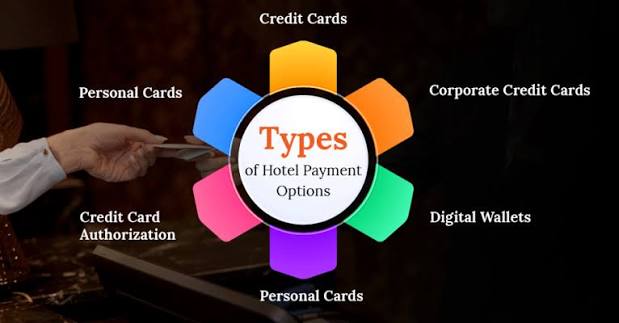
The following table explains the main transactions you might encounter. The precise amount and timing depend on your reservation.
| Payment type | When it may happen | What it means | What to check |
|---|---|---|---|
| Reservation guarantee | When booking | Card details secure the reservation without necessarily taking payment | Cancellation and missed arrival terms |
| Advance payment | At booking or before arrival | Part or all of the accommodation is paid upfront | Refund and change conditions |
| Booking deposit | At booking or a stated later date | A payment usually credited toward your stay | Deposit amount and refund deadline |
| Authorization hold | Before arrival or at check in | Available credit is temporarily reserved | Amount, purpose and release process |
| Final payment | At check in, during the stay or at checkout | The hotel collects the amount owed | Itemized bill and previous payments |
| Cancellation or missed arrival charge | After a policy deadline or missed arrival | A penalty under the reservation terms | Applicable deadline and penalty |
| Additional charge | During or after the stay | A separate amount for an extra or adjustment | Supporting receipt and explanation |
A booking deposit and an incidental hold serve different purposes. The deposit usually pays toward your accommodation, while the hold provides security for amounts that may become payable.
What Does a Hotel Charge Your Credit Card For?
The room rate is only one possible part of your hotel bill. Review the total reservation price and the property’s additional charges before paying.
Room Rate and Taxes
Your accommodation charge reflects the booked rate for each night. Rates can vary across the stay, especially when your visit includes weekends or major events.
Taxes may appear separately or be included in the displayed price. Check the final booking breakdown rather than relying on the first nightly rate you see.
Resort or Destination Fees
Some properties charge a mandatory resort or destination fee. Your confirmation should explain whether this is included in the quoted total or payable separately.
Prepaying through a booking website does not necessarily cover every amount collected at the property. Look for a section identifying charges due during your stay.
Optional Extras
Hotels may bill your card for services you purchase or authorize, including:
Restaurant meals, drinks and room service.
Minibar purchases.
Parking or valet services.
Laundry and spa treatments.
Paid upgrades or agreed late checkout.
Applicable pet charges.
Ask whether an extra is included before using it. A breakfast advertised on the hotel’s website, for example, may be included in some rates but chargeable under others.
Damage or Policy Related Charges
A hotel may seek payment for damage, missing property or breaches of an agreed policy, such as smoking in a designated nonsmoking room.
If you question a charge, request the policy, an itemized explanation and supporting documentation. Photograph existing damage when you arrive and report it promptly.
What Is a Hotel Credit Card Hold?
A credit card authorization hold reserves part of your available credit without immediately completing a payment. Hotels use it to help secure the expected bill and potential additional spending.
Marriott’s digital entry terms describe an authorization covering room charges, taxes, applicable resort fees and an incidental amount that varies by location. This illustrates why the pending amount can exceed the advertised accommodation price.
Why the Hold Can Be Higher Than Your Bill
Suppose your unpaid room and taxes total $480, and the property requires another $150 for incidentals. The initial authorization could be $630.
If you purchase no extras, your accommodation payment would still be $480. The additional $150 is reserved spending capacity, not automatically an extra fee.
These figures are an example, not a standard hotel policy. Some hotels calculate incidentals per night, while others use an amount for the entire stay.
Why Two Transactions May Appear
Around checkout, your banking app may show the original pending authorization alongside the completed payment. That can temporarily look like a duplicate charge.
Check the transaction status before assuming you paid twice. If both amounts become completed charges, ask the hotel to reconcile them against your final bill.
How Long Does a Hotel Hold Last?

A hold does not always disappear immediately after checkout. The timing depends on the hotel’s processing, the payment network and your card issuer.
Chase explains that merchant authorization holds can last from a few days to a week, with timing influenced by the merchant and issuer. Treat any estimate as guidance rather than a guaranteed release date.
Ask the hotel when it released or reversed the authorization, then contact your issuer if the hold remains beyond the expected period. Give the issuer the amount, transaction date and hotel name.
A released hold may simply disappear from pending transactions. It does not necessarily generate a separate refund entry because no completed payment was taken.
Do Prepaid Hotels Still Require a Card?
Yes, a prepaid reservation can still require a card at check in. Paying for the accommodation does not necessarily cover incidental purchases or other amounts payable at the property.
Bring your prepaid confirmation and check which charges it includes. The receptionist should be able to explain what remains payable and what any authorization will cover.
If the hotel appears to charge your room again, request a billing review. A separate incidental hold may be expected, but another completed accommodation payment needs an explanation.
When booking through a travel website, distinguish between payment collected by the website and payment collected by the hotel. Your statement may show different merchant names for each.
Credit Card Versus Debit Card: What Changes?
A credit card hold reduces your available credit. A debit card hold can reduce the bank balance available for everyday spending.
That difference can matter if you need the same funds for transport, meals or bills during your trip. Confirm the property’s debit card policy and authorization amount before arrival.
Leave enough available credit or funds for both the stay and the security requirement. Prepaying the room does not necessarily eliminate the need for additional capacity at check in.
Also check whether the hotel accepts your particular card type. Acceptance of debit, prepaid and virtual cards can differ between properties.
How to Check Hotel Charges Step by Step
1. Read the Payment Terms Before Booking
Identify when payment will be collected, who collects it and whether the reservation requires a deposit. Review the cancellation deadline and the amount payable if you miss it.
Save the confirmation and rate conditions. These documents are useful if the payment timing or amount later differs from what you expected.
2. Ask About the Authorization Amount
Contact the property directly and ask: “What amount will you authorize on my card, and what does it cover?”
Confirm whether incidentals are calculated per night or per stay. Also ask whether prepaid room charges are excluded from the authorization.
3. Confirm the Payment Method at Check In
Tell reception which card you want to use for the final payment and which card should secure incidentals. If someone else is paying, arrange the property’s required authorization process before arrival.
Do not assume that providing another person’s card number is sufficient. Marriott, for example, requires a formal authorization process when an absent cardholder pays for another guest.
4. Review Your Itemized Bill
Check the room rates, number of nights, taxes, mandatory fees and purchases. Make sure any advance payment has been credited correctly.
Ask about unfamiliar restaurant, minibar or parking entries before leaving. Corrections are easier when staff can review the relevant records with you.
5. Compare the Bill With Your Statement
After checkout, compare the completed card payment with the final hotel receipt. Keep pending authorizations separate from posted transactions.
If you paid with a different card at departure, monitor the original card as well. Its authorization may remain temporarily visible.
6. Follow Up on Any Difference
Contact the hotel’s billing team with your reservation number, final receipt and disputed transaction details. Clearly explain whether the issue concerns a hold, duplicate payment or incorrect charge.
If an unresolved completed charge remains, ask your card issuer about its dispute process and applicable deadlines. Avoid sending full card details through ordinary email.
Why Might a Hotel Charge You After Checkout?
A later charge can relate to an expense recorded after your initial bill was prepared. Examples include a delayed restaurant entry, an agreed adjustment or a reported damage charge.
A later transaction deserves the same scrutiny as your checkout bill. Ask for an updated itemized receipt and an explanation of the authorization for the charge.
A cancellation or missed arrival penalty can also appear when you never stayed at the hotel. The amount depends on your reservation conditions, so do not assume every property charges only one night.
Pro Tips for Avoiding Payment Surprises
Ask about payment and holds separately. “When will I pay?” and “How much credit will you reserve?” answer two different budgeting questions.
Keep a buffer on your card. Several hotel stays close together can leave overlapping holds while earlier authorizations are still being released.
Check the hotel’s local cancellation deadline. Save proof of cancellation rather than relying on a phone conversation alone.
Request a final receipt even with express checkout. It gives you a clear reference when reviewing your statement later.
Confirm what package benefits include. Breakfast, parking and dining credits may have limits, and unused benefits do not necessarily reduce the room price.
Frequently Asked Questions
1. Does Giving a Hotel My Card Mean I Have Paid?
No. Your card may only guarantee the reservation. Look for an actual payment receipt and check the booking’s payment schedule.
2. Can a Hotel Charge My Card Before I Arrive?
Yes, when the agreed terms require advance payment or a deposit. A qualifying cancellation penalty may also be collected before the planned stay.
3. Why Is the Pending Amount Higher Than My Booking Total?
It may include an incidental allowance alongside unpaid accommodation and taxes. Ask the property for a breakdown rather than assuming the difference is a fee.
4. Will I Get the Incidental Hold Back?
Unused authorization amounts should be released. Usually this restores available credit rather than appearing as a refund, although an actual charged deposit follows a refund process.
5. Can I Use a Different Card at Checkout?
Often, but confirm with reception before payment is processed. The original hold may remain temporarily visible after the final payment goes onto another card.
6. Can the Hotel Charge Me If I Do Not Arrive?
Yes, if your reservation terms provide for a missed arrival penalty. Contact the hotel promptly if travel disruption threatens your arrival.
7. What Should I Do About an Unrecognized Hotel Charge?
Check your receipts and the transaction’s status, then request an explanation from the hotel. Contact your issuer promptly if the transaction appears unauthorized or remains unresolved.
Final Verdict
Hotels can charge your credit card at booking, before arrival, during your stay or at checkout. The rate conditions determine the schedule, while temporary holds secure amounts that may become payable.
Before booking, confirm the total price, payment date and incidental requirement. After your stay, compare the itemized receipt with completed transactions so you can distinguish an expected hold from a billing problem.
Some links on this page are affiliate links. If you book through one we may earn a commission, at no extra cost to you. It never affects our ratings, our rankings, or the price you pay.