Can You Reserve a Hotel Room Without Paying?
Can you reserve a hotel room without paying? Yes, many hotels let you confirm a reservation without paying upfront.
Can you reserve a hotel room without paying? Yes, many hotels let you confirm a reservation without paying upfront. You usually need to choose a rate that explicitly states “no prepayment needed” or offers payment at the property without an advance deposit.
The important detail is that booking without paying immediately does not remove your payment obligations. A hotel may still require card details, apply a temporary authorization, or charge you if you cancel late or fail to arrive.
Whether you are waiting for payday, comparing accommodation, or planning a trip that might change, understanding these conditions can prevent expensive surprises. Here is how to reserve a hotel room now, pay later, and keep control of your travel budget.
What Does Reserving a Hotel Without Paying Mean?

A hotel reservation without upfront payment means the property confirms your booking before collecting the accommodation charge. Depending on your selected rate, payment may be due before arrival, at check in, or at checkout.
You therefore need to distinguish between nothing payable today and nothing payable until you reach the hotel. These are different arrangements, even when both appear under a “pay later” label.
Marriott’s reservation guidance, for example, states that a card is needed to hold a booking, with no charge at booking unless specified. Rates requiring deposits or prepayment are exceptions, and late cancellation charges may apply.
No Prepayment Needed
This wording generally indicates that you do not need to pay an advance accommodation charge. However, you should still check whether a card authorization or separate deposit applies.
The reservation conditions should explain when the hotel collects payment. Never assume that checkout is the payment deadline unless your booking explicitly says so.
Pay at the Property
This means the property handles payment, but it does not always exclude advance charges. Some reservations include a prepayment installment before arrival, so the detailed payment schedule matters more than the headline label.
Reserve Now, Pay Later
This can mean that payment will be collected automatically on a future date. You might pay nothing when booking but still be charged several days before your stay.
If your aim is to preserve your balance until arrival, check the exact collection date, not simply whether the booking is described as “pay later.”
Hotel Payment Options Compared
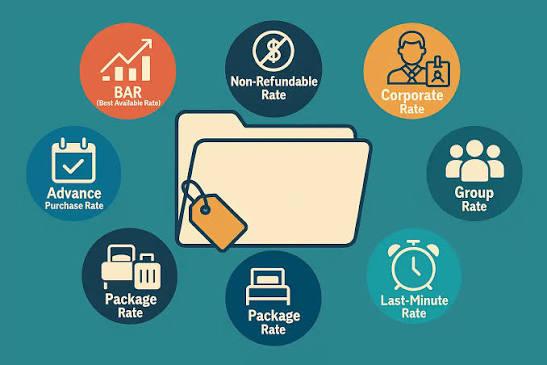
Different reservation types offer different levels of flexibility. Use this table to identify which arrangement matches your needs.
| Reservation type | Payment when booking | Card requirement | Main consideration |
|---|---|---|---|
| No prepayment rate | Usually no accommodation charge | Often required | Check authorization and cancellation terms |
| Pay at property | May be nothing, depending on the policy | Often required | Confirm whether advance installments apply |
| Scheduled pay later | Usually nothing immediately | Usually required | Payment may be collected before arrival |
| Advance purchase | Usually full payment | Generally required | Often comes with restrictive cancellation terms |
| Deposit reservation | Partial payment | Usually required | Check when the remaining balance is due |
| No card reservation | May require no immediate payment | Not required to reserve | Payment or a deposit may still be needed on arrival |
| Courtesy hold | Often no immediate payment | Depends on the hotel | The room may be released unless confirmed in time |
Payment timing and cancellation flexibility are separate conditions. A reservation can require payment upfront while allowing cancellation, or delay payment while imposing strict cancellation penalties.
Do You Need a Credit Card to Reserve Without Paying?
Often, yes. Many hotels request a credit or debit card as a reservation guarantee, even when they do not immediately collect the room charge.
Hilton’s published guidance requires a credit or debit card number to guarantee a reservation. It also states that the card will not be charged when the booking is cancelled within the applicable cancellation policy.
Providing card details gives the property a way to apply charges permitted by the agreed booking conditions. It does not automatically mean you have prepaid your stay.
Can You Reserve Without a Credit Card?
Some properties offer reservations without card details, but availability depends on the hotel, dates, and selected rate. Smaller independent properties may also agree to a reservation by telephone or email.
Ask whether the booking is fully confirmed or only being held temporarily. A courtesy hold can expire at a specified time, leaving the room available for another guest.
Also confirm what you must provide on arrival. A hotel that does not require a card to reserve may still require one for check in or a security deposit.
Is a Debit Card Suitable?
A debit card may be accepted, but ask about authorization holds before using it. A hold can reduce the money available in your bank account even when it is not a completed payment.
Leave enough funds for travel expenses and any expected deposit. If available, an accepted credit card may make temporary holds easier to manage without restricting your everyday cash balance.
How to Reserve a Hotel Room Without Paying Upfront

1. Search With Your Actual Dates and Guest Details
Enter the correct arrival date, departure date, and number of guests. Available payment options can change depending on your dates and the room you select.
If travelling with children, include their ages where requested. An attractive rate is only useful if it accommodates everyone in your party.
2. Look for Suitable Payment Wording
Search for phrases such as:
No prepayment needed
Payment due on arrival
Reserve now, pay later
Treat these labels as a starting point. Open the room conditions to check whether the booking includes a deposit, future charge, or card authorization.
3. Compare Rates for the Same Room
One room may have several prices with different payment rules. A cheaper advance purchase rate may require immediate payment, while a more flexible rate allows you to pay later.
Compare the total stay cost, including disclosed taxes and mandatory fees. Decide whether any additional cost for flexibility is worthwhile given how certain your travel plans are.
4. Read the Payment and Cancellation Conditions
Before confirming, establish:
When payment will be collected.
Whether any advance deposit applies.
The free cancellation deadline, if offered.
The amount payable for late cancellation or a no show.
Whether the card may receive a temporary authorization.
Check the deadline’s time zone as well. A cancellation deadline based on the hotel’s local time can be easy to misread when booking from another country.
5. Contact the Hotel if Anything Is Unclear
Ask a specific question: “Will you charge or authorize my card before arrival, and what amount must I provide at check in?”
If you are booking through a travel website, confirm who collects payment. The platform may process the charge, the hotel may collect it, or the arrangement may involve both.
6. Save the Confirmation and Set Reminders
Keep the confirmation number, payment schedule, cancellation terms, and any written agreement with the property. Make sure the final confirmation matches the conditions you selected.
Set reminders for both the cancellation deadline and any scheduled payment date. Saving a reservation without tracking those deadlines can turn a flexible booking into an unexpected expense.
What Charges Could Still Apply?
Temporary Card Authorizations
An authorization hold checks or reserves access to funds without necessarily completing a charge. It can appear as a pending transaction and reduce your available balance or credit.
Ask the hotel whether it uses authorizations before arrival. Release times depend on the property, card issuer, and transaction processing, so do not assume the money becomes available immediately.
Security or Incidental Deposits
The hotel may require a separate deposit for expenses such as room service, damage, or other permitted incidental charges. This can apply even when the accommodation payment was deferred.
Find out whether the deposit is a card hold or an actual payment. Also ask how much it is and what happens to any unused amount after checkout.
Cancellation and No Show Charges
“No prepayment” does not mean you can abandon the reservation without consequences. Late cancellation or failure to arrive can trigger the penalty stated in your booking conditions.
That penalty might cover one night, several nights, or a larger part of the reservation. Read the actual amount instead of assuming all hotels follow the same rule.
Mandatory Fees and Optional Extras
Paying later does not remove applicable taxes, disclosed mandatory property fees, parking charges, or optional extras. These can increase the amount you need when you arrive.
Budget for the accommodation, expected additional charges, and any deposit separately. A room price alone may not represent the funds required at check in.
Can You Book Now if You Do Not Have Enough Money Yet?
Yes, if the selected reservation genuinely requires no immediate payment and you can meet its later payment conditions. This can help when your income arrives before your trip or you are waiting for travel plans to become firm.
However, a hotel may verify the guarantee card or attempt an authorization. If that fails, you may be asked to provide another payment method, and the reservation could be cancelled under its terms.
Do not use incorrect card information to bypass the guarantee requirement. Choose an eligible no card reservation or ask the property whether it offers a temporary hold.
Only reserve a stay you reasonably expect to afford by the payment deadline. If circumstances change, cancel within the permitted window rather than waiting for a failed charge.
Is Booking Without Upfront Payment a Good Idea?
When It Makes Sense
Deferred payment can be useful when flights, leave approval, or other travel arrangements remain uncertain. It also helps keep money available while you organize the rest of your trip.
The strongest combination is no prepayment plus a suitable free cancellation policy. Together, these conditions can provide both payment flexibility and room to change your plans.
When Paying Upfront May Be Better
An advance purchase rate may cost less than a flexible rate for the same room. If your plans are firm and the savings are meaningful, prepayment may suit your budget.
Compare the savings against the amount you could lose if you cancel. A small discount may offer poor value when your trip depends on an unresolved flight, appointment, or approval.
Pro Tips for Avoiding Payment Surprises
Ask about the arrival amount. Request the accommodation balance, mandatory fees, and deposit separately so you know what funds you need.
Keep guarantee card details current. If your card expires or is replaced before travel, ask how to update the reservation securely.
Confirm late arrival arrangements. Tell the hotel if you expect to arrive after its stated check in window, especially when your booking is not guaranteed by a card.
Use a cancellation reminder with breathing room. Set it before the deadline so you have time to resolve website errors or contact the property.
Verify unusual payment requests. If you receive an unexpected request after booking, contact the hotel or platform through a trusted channel before paying.
Frequently Asked Questions
1. Can I reserve a hotel room and pay when I arrive?
Yes, when your selected rate permits payment on arrival. Check that it has no earlier deposit or scheduled collection date.
2. Does free cancellation mean no upfront payment?
No. Free cancellation concerns cancellation penalties, while prepayment concerns when money is collected. A prepaid reservation may allow a refund if cancelled within its stated terms.
3. Can a hotel charge my card before check in?
Yes, if the booking conditions permit prepayment, a deposit, or scheduled collection. The hotel may also apply an authorization hold, which differs from a completed charge.
4. Can I pay cash for a reservation made without paying?
Possibly, but confirm directly with the property. It may accept cash for accommodation while still requiring an accepted card or another arrangement for the security deposit.
5. What happens if I reserve but never arrive?
The hotel may apply its no show charge. Cancel properly within the permitted period rather than assuming an unpaid reservation disappears automatically.
6. Can I change the card used to guarantee my booking?
Often, but the process depends on the hotel or platform. Update it through an approved channel and confirm whether separate rules apply to payment at arrival.
7. Can I reserve without paying for someone else?
Some hotels allow this, but check guest naming and payment requirements. The arriving guest may need identification, an accepted payment method, and funds for a deposit.
Final Verdict
You can often reserve a hotel room without paying upfront, but the selected rate determines what happens next. Look for explicit payment terms, check any deposit or authorization, and record the cancellation deadline.
Before confirming, answer three questions: When will I pay? What could be charged before arrival? What will I owe if I cancel or do not show up? Clear answers let you book with confidence and avoid mistaking deferred payment for a reservation without financial obligations.
Some links on this page are affiliate links. If you book through one we may earn a commission, at no extra cost to you. It never affects our ratings, our rankings, or the price you pay.