How to Compare Airline Ticket Types Before Booking
Airline ticket types can be surprisingly difficult to compare. The same economy seat may be sold as Basic Economy, Economy Light, Standard Economy or Economy Flex, each with different rules.
Airline ticket types can be surprisingly difficult to compare. You search for a flight, choose economy, and suddenly discover several versions of what appears to be the same seat: Basic Economy, Economy Light, Standard Economy, Economy Flex, Premium Economy, refundable fares, and sometimes several airline specific names.
The cheapest ticket naturally attracts attention, but it may come with restrictions on baggage, seat selection, changes, cancellations, upgrades, or frequent flyer benefits. A slightly more expensive ticket could include services you would otherwise need to purchase separately.
That is why comparing airline tickets should never be based on the fare alone.
The right approach is to compare the complete ticket package: what is included, what costs extra, how flexible the fare is, and whether those benefits matter for your particular trip.
This guide explains how to compare airline ticket types before booking and avoid paying either too much or too little for what you actually need.
Why Airline Ticket Types Can Be Confusing

Airlines do not use one universal system for naming fares.
One carrier might call its cheapest fare Basic Economy, another Economy Light, and another simply Economy Saver. Even when two airlines use similar names, the rules may be different.
The most important lesson is simple:
Compare the conditions, not the ticket name.
A useful starting point looks like this:
| Ticket Type | Typical Positioning | Main Consideration |
|---|---|---|
| Basic Economy | Lowest economy fare | More restrictions |
| Standard Economy | Regular economy | Better balance of inclusions |
| Flexible Economy | Higher economy fare | Greater change flexibility |
| Premium Economy | Enhanced economy cabin | More space and service |
| Business Class | Premium cabin | Comfort and priority services |
| First Class | Highest cabin on some airlines | Maximum premium service |
| Refundable Fare | Greater cancellation flexibility | Usually costs more |
Exact benefits vary by airline, route, aircraft, and fare conditions.
Step 1: Understand the Difference Between Cabin and Fare Type
Before comparing tickets, understand two concepts that are frequently confused.
A cabin class describes the section of the aircraft and general level of service.
Common cabin classes include economy, premium economy, business, and first class.
A fare type determines the rules and inclusions attached to your ticket.
For example, one economy cabin might contain passengers who purchased Basic Economy, Standard Economy, and Flexible Economy tickets.
They may sit in similar seats while having very different baggage, change, refund, and seat selection conditions.
This distinction is essential when comparing fares.
Step 2: Start With Basic Economy
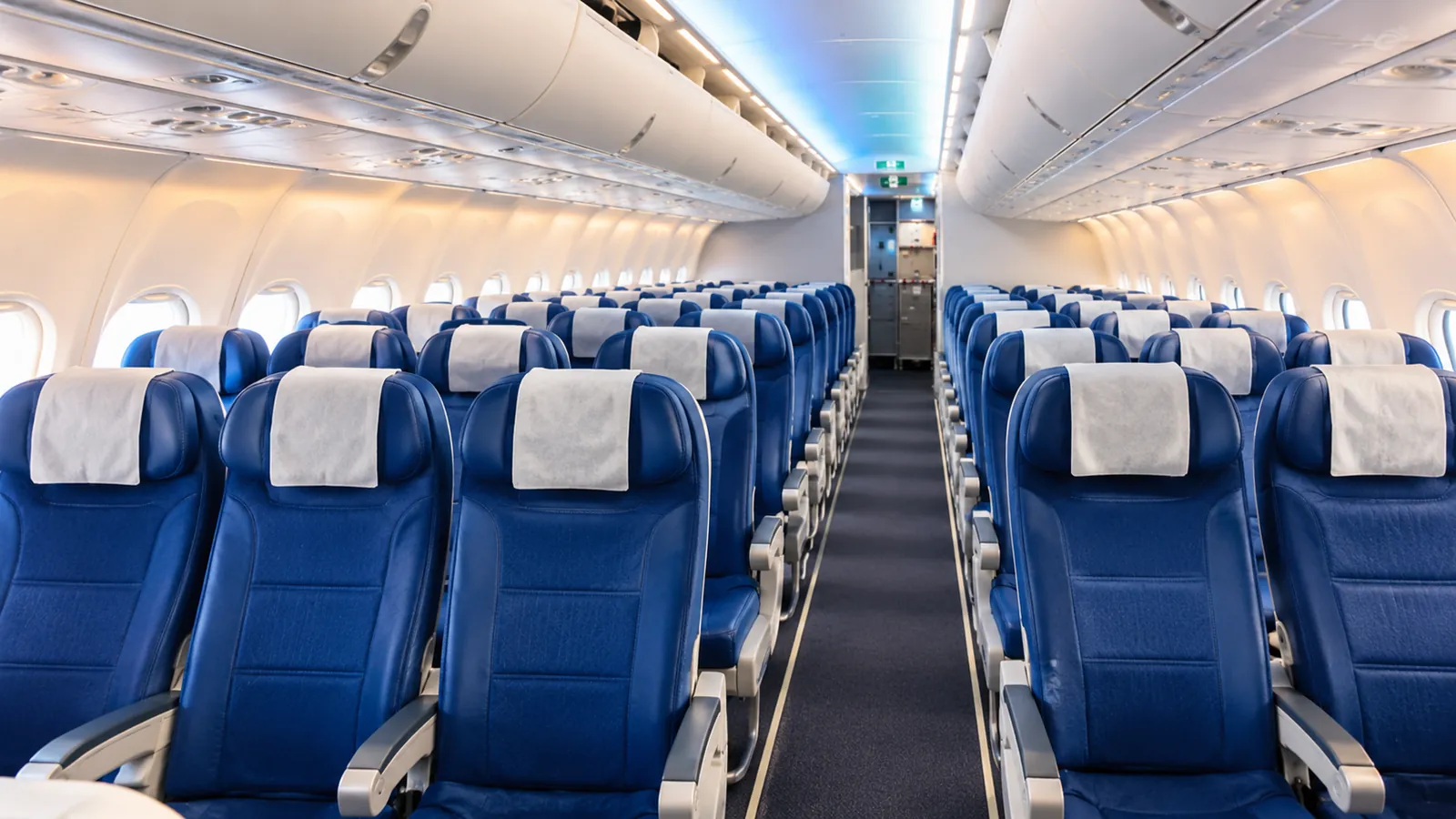
Basic Economy is usually designed to provide a lower entry price.
It can work extremely well for travelers who need very little beyond transportation from one destination to another.
Restrictions vary considerably, but a basic fare may have limitations involving checked baggage, advance seat selection, ticket changes, cancellation, upgrades, or loyalty benefits.
Some airlines also place restrictions on cabin baggage for certain basic fares or routes.
Never assume you know what Basic Economy means because you have flown another airline.
Who Should Consider Basic Economy?
It can make sense when your plans are firm, you travel light, you do not care where you sit, and the price saving is meaningful.
If you immediately need to add a checked bag and paid seat, however, compare the final cost against the next fare category.
Step 3: Compare Standard Economy
Standard Economy often provides a middle ground between the cheapest restricted fare and more flexible economy options.
Depending on the airline, it may offer better baggage conditions, advance seat selection, improved change options, or greater loyalty benefits.
However, "standard" does not necessarily mean everything is included.
Checked baggage may still cost extra, especially on some routes.
When comparing Basic Economy with Standard Economy, calculate the difference carefully.
Suppose Basic Economy costs $300 and Standard Economy costs $350.
If you would spend $40 on baggage and $20 selecting a seat with Basic Economy, the supposedly cheaper ticket would cost $360.
In that situation, Standard Economy could provide more value.
Step 4: Understand Flexible Economy Tickets
Flexible economy fares are designed for passengers who value the ability to modify travel plans.
They usually cost more than restrictive fares.
Depending on the ticket conditions, a flexible fare might reduce or eliminate certain change charges, provide better cancellation conditions, or include additional services.
But the word flexible deserves careful attention.
A ticket that permits changes does not necessarily allow unlimited free changes.
You might still have to pay the difference between your original fare and the price of the new flight.
Similarly, a flexible ticket is not automatically fully refundable.
Read the exact conditions.
Step 5: Compare Premium Economy Separately
Premium Economy is usually a separate cabin rather than simply a flexible economy fare.
Where offered, it typically sits between economy and business class.
The biggest difference is often the seat. Depending on the airline and aircraft, Premium Economy may provide additional legroom, a wider seat, greater recline, improved meals, additional baggage, or priority airport services.
It should not be confused with extra legroom economy.
An extra legroom seat is usually a regular economy seat with additional space around the legs. Premium Economy can offer a more substantial overall upgrade.
For long flights, compare the price difference with the actual product offered on your aircraft.
Step 6: Compare Business Class
Business Class varies significantly depending on the route.
On some short flights, the difference from economy may primarily involve additional space, priority services, lounge access where applicable, baggage benefits, and improved food.
Long haul Business Class can be dramatically different.
Depending on the airline and aircraft, you may receive a seat that converts into a flat bed, direct aisle access, enhanced dining, lounge access, priority check in, and increased baggage allowance.
When comparing Business Class tickets, investigate the actual aircraft and route.
A premium cabin name alone does not tell you exactly what experience you will receive.
Step 7: Understand First Class
First Class is offered by fewer airlines and on fewer routes than economy or business.
Where available, it generally represents the airline's highest level of service.
Long haul First Class can include larger seats or private suites, highly personalized dining, premium lounge experiences, generous baggage allowances, and extensive ground services.
However, the difference between Business and First varies enormously.
A strong Business Class product may already provide a flat bed and direct aisle access. The additional cost of First Class may therefore be paying primarily for more privacy, space, exclusivity, and service.
Compare the actual products rather than relying on cabin names.
Step 8: Compare Refundable and Nonrefundable Fares
Refundability deserves its own comparison because it can apply across different ticket categories.
A nonrefundable ticket generally means you should not expect an ordinary cash refund simply because you decide not to travel. Depending on the fare conditions, you may still have options such as changing the ticket or receiving eligible travel credit.
A refundable ticket usually provides greater cancellation flexibility under its terms.
This flexibility typically comes at a higher upfront price.
Refundable fares can be particularly useful when your travel plans are uncertain or the ticket represents a substantial financial commitment.
Always check exactly what "refundable" means before paying.
Step 9: Compare Baggage Allowances

Baggage can completely change which ticket represents the best value.
For every fare, compare:
Personal item allowance
Cabin baggage allowance
Cabin baggage weight and dimensions
Checked baggage allowance
Checked baggage weight
Additional bag charges
Overweight or oversized baggage charges
Suppose the cheapest fare saves $45 but does not include the checked bag you need, while the next fare costs $35 more and includes it.
The more expensive fare may actually reduce your total cost.
Check the allowance attached to your exact route and ticket rather than assuming all passengers in the same cabin receive identical baggage benefits.
Step 10: Compare Seat Selection
Seat selection is another area where fare differences matter.
The cheapest ticket might assign a seat later or charge for advance selection. Higher fares may include certain standard seats while still charging for preferred or extra legroom locations.
This is especially important for couples, families, and travelers with strong seating preferences.
If sitting together matters, include seat selection costs in your comparison before booking.
Do not assume paying more for a fare automatically gives you every seat on the aircraft without charge.
Step 11: Compare Change Rules
Before purchasing, ask what happens if your travel date changes.
Look for whether changes are allowed, whether there is a fee, and whether you must pay a fare difference.
These are separate costs.
For example, an airline may allow a change without charging a specific change fee, but if your original flight cost $400 and the new flight costs $550, you could still owe the $150 difference.
Basic fares can have stricter conditions.
If your dates are uncertain, the cheapest fare may expose you to greater costs later.
Step 12: Compare Cancellation Rules
Cancellation and changes should be evaluated separately.
A fare allowing changes may still not provide a cash refund when you cancel.
Determine whether voluntary cancellation results in:
A refund to your original payment method.
Airline credit.
Partial value after applicable charges.
No usable ticket value.
Also check expiration dates or other restrictions applying to travel credits.
Do not rely on broad labels such as "flexible." Read the cancellation terms associated with the exact fare.
Step 13: Compare Frequent Flyer Earnings
If you collect airline points or miles, ticket type can affect what you earn.
Some restrictive fares may earn fewer benefits than higher fare categories. Eligibility for upgrades or status related benefits can also vary.
Frequent travelers should consider these differences as part of the overall value.
However, avoid overvaluing points.
Paying significantly more solely to earn a relatively small number of additional miles may not make financial sense.
Evaluate loyalty benefits alongside price, convenience, and flexibility.
Step 14: Compare Upgrade Eligibility
A common assumption is that any economy ticket can later be upgraded.
That is not always the case.
Certain fare types may have restrictions affecting paid upgrades, mileage upgrades, or other upgrade methods.
If you are buying economy with the intention of upgrading later, check eligibility before purchasing.
Also remember that upgrade availability is not guaranteed simply because the ticket is eligible.
If the premium cabin is important to you, booking it directly may provide greater certainty than relying on a future upgrade.
Step 15: Compare What Is Included Onboard
Ticket type can sometimes affect onboard inclusions, although differences depend heavily on airline and route.
Check whether your fare or cabin includes meals, beverages, entertainment, WiFi, power access, or other services important to you.
For a short flight, these extras may have little value.
For a 12 hour journey, the overall cabin experience becomes more significant.
Again, distinguish between fare differences and cabin differences.
Paying for Flexible Economy does not necessarily give you a better physical seat than Standard Economy. Paying for Premium Economy usually involves a different cabin product where offered.
Step 16: Calculate the Real Cost of Each Ticket
This is the most important comparison.
Create a personal total rather than relying on the advertised fare.
For example:
| Expense | Basic Economy | Standard Economy | Flexible Economy |
|---|---|---|---|
| Ticket | $300 | $360 | $500 |
| Checked bag | $50 | Included | Included |
| Seat | $25 | Included | Included |
| Changes | Restricted | More flexible | Greater flexibility |
| Initial Cost | $375 | $360 | $500 |
These figures are only examples.
The point is that a $300 ticket is not really a $300 option if you already know you need another $75 of extras.
Step 17: Match the Fare to Your Trip
There is no universally best ticket type.
For a short weekend trip with a backpack and fixed dates, Basic Economy may provide excellent value.
For a family vacation with checked luggage and a desire to sit together, Standard Economy may make more sense.
For a business trip where meeting dates could change, additional flexibility may be worth paying for.
For a long overnight flight, Premium Economy or Business Class may become attractive if comfort is a major priority and the price fits your budget.
Choose according to the journey rather than automatically purchasing the cheapest or most expensive fare.
Common Mistakes When Comparing Airline Tickets
One common mistake is assuming ticket names are standardized across airlines. They are not.
Another is comparing base prices without adding baggage and seat costs.
Travelers also confuse flexible with refundable, Premium Economy with extra legroom economy, and cabin class with fare type.
Another mistake is paying extra for benefits you do not need. A highly flexible fare provides little value if your plans are almost certain and the price difference is substantial.
The reverse can also happen: choosing an extremely restrictive ticket for an uncertain trip simply to save a small amount upfront.
Frequently Asked Questions
What is the difference between Basic Economy and Economy?
Basic Economy is generally a more restrictive economy fare, while standard economy may provide additional benefits. Exact differences depend on the airline and route.
Is Standard Economy worth paying more for?
It can be if the additional price includes services you would otherwise purchase, such as baggage or seat selection, or provides useful flexibility.
Is Premium Economy the same as Economy Plus?
Not necessarily. Premium Economy is generally a separate cabin where offered, while products described as Economy Plus or similar may simply provide extra legroom within economy.
Does a flexible ticket mean fully refundable?
No. Flexibility and refundability are separate concepts. Always read the specific fare rules.
Are checked bags included with international tickets?
Not always. Baggage inclusion depends on the airline, route, cabin, and fare type.
Can I upgrade a Basic Economy ticket?
Upgrade eligibility varies. Some restrictive fares may limit certain upgrades, so check before purchasing if upgrading matters to you.
Which airline ticket type is best for families?
There is no universal answer. Families should pay particular attention to seating, baggage, flexibility, and the final price after required extras.
Final Thoughts
Learning how to compare airline ticket types becomes much easier once you stop focusing solely on the fare name.
Start by separating cabin class from fare type. Economy, Premium Economy, Business, and First describe different levels of travel, while Basic, Standard, Flexible, refundable, and similar labels often describe the conditions attached to a ticket.
Then compare what matters to your journey: baggage, seat selection, change rules, cancellation conditions, refundability, loyalty benefits, and upgrade eligibility.
Finally, calculate the true price after adding the extras you know you need.
Sometimes the cheapest fare really is the smartest option. Other times, paying slightly more upfront can include enough baggage, seating, or flexibility to make the higher fare cheaper or more practical overall.
Some links on this page are affiliate links. If you book through one we may earn a commission, at no extra cost to you. It never affects our ratings, our rankings, or the price you pay.