How to Know Which Company Issued Your Travel Ticket: A Practical Guide
Knowing how to know which company issued your travel ticket can save you hours when you need a refund, a date change, or help with a missing reservation.
Knowing how to know which company issued your travel ticket can save you hours when you need a refund, a date change, or help with a missing reservation. The answer usually appears on your electronic ticket receipt, but the company that sold your trip, the airline named on your ticket, and the airline operating your flight may be different.
That distinction explains why an airline sometimes tells you to contact your travel agent, even when its name appears across your itinerary. You may have a valid reservation with the airline while another company manages the ticket.
This guide shows you which documents to check, what the numbers mean, and how to confirm who can help with your booking.
What Does “Ticket Issuer” Actually Mean?
For flights, “ticket issuer” can describe two related roles: the airline whose ticket stock was used and the airline or agency that processed the issuance. To avoid confusion, identify both.
The airline associated with the ticket is commonly called the validating carrier. The issuing agency or office is the business that created the ticket through its booking system.
A travel agency can therefore issue a ticket using an airline’s ticket stock. Finding the airline’s name does not automatically mean you bought directly from that airline.
The companies involved in a flight booking
| Company or role | What it does | Where to identify it |
|---|---|---|
| Booking seller | Sells the trip to you | Order confirmation, invoice, booking account |
| Issuing agency or office | Processes the ticket issuance | Electronic ticket receipt or written confirmation |
| Validating carrier | Airline associated with the ticket stock | Ticket details and ticket number prefix |
| Marketing airline | Places its airline code on the flight number | Flight number on the itinerary |
| Operating airline | Operates the flight | “Operated by” wording |
| Payment merchant | Appears against the payment transaction | Card statement or payment receipt |
One company may perform several of these roles. On a straightforward direct booking, the seller, ticketing airline, and operating airline may all be the same.
Why Identifying the Issuer Matters
The most common reason is simple: you need to know whom to contact when your plans change.
A booking website may handle voluntary changes and refund requests, while the operating airline manages check in and problems at the airport. Contacting the wrong company can delay a time sensitive request.
For example, Qatar Airways directs customers who purchased through a travel agency to contact that agency for refund or travel voucher requests. Other airlines have their own procedures, so check the instructions for your particular booking.
Identifying the issuer also helps when you need:
A replacement ticket receipt or purchase invoice.
Confirmation that your flight was actually ticketed.
Details about an agency’s separate service fees.
Clarification after a ticket exchange.
Documentation for an employer or insurer.
Knowing the issuer does not, by itself, establish whether you qualify for a refund. Your fare conditions, the reason for the request, and applicable rules still matter.
How to Find Which Company Issued Your Travel Ticket
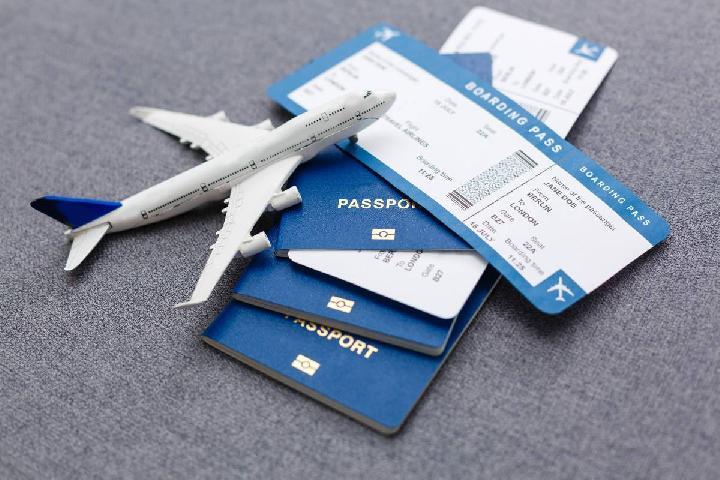
Step 1: Find the electronic ticket receipt
Start with the document titled “Electronic Ticket Receipt,” “E Ticket,” “Passenger Receipt,” or similar wording.
Search your email using the passenger’s surname, destination, departure date, or booking reference. Check attachments as well as the email body.
An order confirmation may only acknowledge that the seller received your request. The electronic ticket receipt is generally more useful for identifying ticket details.
If you booked through an agency, sign in to its website or app and look for a ticket download. If necessary, ask it to resend the full receipt.
Step 2: Locate the issuing office or agency field
Read the top and bottom of the receipt carefully. Useful labels include:
Issued by
Issuing office
Issuing agency
Agency name
Ticketing office
The wording and placement vary by booking system. Some customer documents omit the issuing office altogether.
You might see the website’s familiar brand name, its registered business name, or a different ticketing agency. A mismatch needs clarification, but it does not automatically indicate fraud.
Ask the seller to explain the relationship and confirm which business handles changes. An agency identifier may help support staff locate the office, but an unexplained number is not enough for you to identify it confidently.
Step 3: Find the ticket number
A conventional airline electronic ticket commonly has a 13 digit ticket number. It is separate from the booking reference and flight number.
Qatar Airways, for example, identifies its electronic ticket number as a 13 digit number and explicitly distinguishes it from the booking reference.
Look for labels such as “Ticket Number,” “ETKT,” or “Document Number.” Spaces or punctuation may separate parts of the number.
Check every passenger individually. Several people can share a booking reference while having separate ticket numbers.
Step 4: Use the prefix to identify the ticketing airline
The first three digits of a conventional airline ticket number identify the airline ticket stock used. This helps identify the validating carrier.
For a verified example, Emirates states that its issued tickets normally begin with 176.
However, the prefix does not identify the travel agency that sold or issued the ticket. An agency can issue a ticket on an airline’s stock.
Treat the prefix as one part of the answer. Confirm the agency or issuing office separately rather than assuming the prefix proves a direct purchase.
Step 5: Check your invoice and booking account
Your invoice helps establish which business sold you the trip. Look for its legal name, address, contact details, and booking reference.
Compare those details with the account where you purchased the flight. Open the specific order rather than relying on an old email or an advertisement.
If the invoice and ticket name different companies, ask:
“Which company sold my booking, which office issued my ticket, and which company should handle changes or refunds?”
That question separates the roles without requiring you to understand the booking system behind them.
Step 6: Verify the reservation with the airline
Use the airline’s official website or app to open its booking management service. Enter the airline booking reference and passenger surname, or the ticket number if that service accepts it.
A travel website’s order number may not work in an airline’s booking reference field. Your confirmation may contain separate references for the agency and airline.
British Airways explains that booking references can appear as a PNR code or locator on the ticket or itinerary receipt. Emirates also notes that agency tickets can contain an additional booking reference.
If the reservation appears, compare the passenger name, dates, route, and flights. When ticket status is unclear, ask the airline to confirm that an active ticket covers the itinerary.
Step 7: Ask for written confirmation
If the paperwork remains ambiguous, contact the seller through your booking account or independently verified contact details.
Request the following information:
Full name of the issuing agency or office.
Validating airline.
Current ticket number for each passenger.
Airline booking reference.
Contact responsible for changes and refunds.
Keep the reply with your receipt. Written confirmation is particularly useful when several businesses were involved in the purchase.
Ticket Number, Booking Reference, and Flight Number Explained
These identifiers serve different purposes. Mixing them up is a common reason a booking lookup fails.
| Identifier | Typical appearance | What it identifies | Does it identify the issuer? |
|---|---|---|---|
| Electronic ticket number | Commonly 13 digits | An individual ticket document | Prefix helps identify ticket stock |
| Airline booking reference | Often a short combination of letters and numbers | A reservation record | Usually not by itself |
| Agency order number | Format varies by seller | The seller’s customer order | Helps locate the seller’s records |
| Flight number | Airline code followed by numbers | A scheduled flight | Does not establish the issuing agency |
| Invoice number | Format varies | A billing document | Useful when paired with seller details |
| Boarding pass barcode | Machine readable information | Boarding and journey details | Not the best starting point |
A booking reference alone is not proof that a conventional electronic ticket has been issued. Reservations and ticket documents are related, but they are not interchangeable.
Some carriers use ticketless booking models and may not provide a conventional 13 digit ticket number. In that situation, verify the confirmed reservation and payment status directly with the carrier.
Why the Airline on Your Flight May Differ From the Issuer
Codeshare flights
A codeshare lets an airline market a flight operated by a partner. Your itinerary might display one airline’s flight number alongside wording identifying another operator.
Lufthansa confirms that customers can book through it and travel on selected routes with partner airlines under its codeshare partnerships.
The “operated by” line identifies the flight operator. It does not establish which agency issued the ticket.
Trips involving several airlines
A connecting itinerary can include flights operated by different airlines while using one validating carrier’s ticket stock.
Qatar Airways explains that electronic ticket information, including itinerary and ticket status records, is stored in the validating carrier’s database. That role is distinct from physically operating every flight.
Also check whether your purchase contains separate tickets. One agency order can bundle journeys that require different servicing arrangements.
Travel websites using another ticketing business
A booking website may arrange issuance through another agency or ticketing provider. This can explain an unfamiliar company name on the receipt.
Your practical starting point remains the seller’s support channel. Ask it to identify the issuing business and explain who manages your ticket.
What If You Only Have a Confirmation Email?
First, check whether the message contains a ticket number or only an order reference.
If it says “processing,” “awaiting issuance,” or similar wording, request clarification immediately. Ask when issuance will be completed and whether there is a deadline.
For a conventional ticketed booking, request the electronic ticket receipt and verify it with the airline. For a ticketless carrier, ask the carrier to confirm that the reservation is paid and ready for travel.
A missing ticket number is a reason to investigate, not automatic proof of a fake booking. Equally, a professional looking PDF does not establish that a ticket is active.
Verification in the airline’s system is more useful than the appearance of an email.
How to Identify the Issuer of Other Travel Documents
Train, coach, ferry, and package bookings do not necessarily follow airline ticket numbering conventions.
For these purchases, read the ticket, invoice, and booking terms for the seller, transport operator, and booking provider. Contact the seller if the document does not explain who handles amendments.
A hotel voucher is generally a reservation document rather than an airline ticket. It may identify the booking agency and hotel, but you should confirm directly with the property that it has your reservation.
For a package holiday, identify the package organiser separately from the airline. The organiser’s confirmation may be your main service contact even though individual transport documents name other companies.
Pro Tips for Avoiding Ticket Issuer Confusion
Save the full receipt when you book. A screenshot of flight times often omits issuing office details, ticket numbers, and fare conditions.
Keep the seller’s invoice separately. The invoice explains the purchase relationship; the ticket receipt explains the transport document.
Check updated documents after a change. An exchange can produce a new ticket number, so ask which document is current before requesting further help.
Do not rely on your card statement alone. The payment description may name the airline, agency, parent business, or payment provider.
Verify each separate booking. Flights bought together on a comparison website may still have different ticket numbers and support contacts.
Protect your booking details. Avoid posting complete receipts publicly because they can expose personal information and reservation access details.
Frequently Asked Questions
1. Can I identify the issuing company from my ticket number?
You can generally use the first three digits of a conventional airline ticket number to identify the ticket stock airline. To identify the issuing agency, check the issuing office field or ask the seller.
2. Is the company that charged my card always the issuer?
No. The payment merchant can differ from the issuing agency or validating airline. Compare your payment receipt with the ticket and invoice.
3. Can a travel agency issue a ticket for another airline?
Yes. An agency can process a ticket using an airline’s ticket stock. That is why the airline prefix does not prove you booked directly.
4. Why does the airline tell me to contact my booking website?
The seller may be responsible for servicing agency bookings. Ask which requests the airline can handle directly and which must go through the agency.
5. Does a confirmed reservation mean my ticket is active?
Not necessarily for a conventional ticketed booking. Ask the airline to verify both the reservation and the associated ticket status; ticketless carriers use different confirmation processes.
6. What should I do if the issuer’s name is unfamiliar?
Ask the seller to explain the company’s role in writing. Verify the reservation with the airline and use independently checked contact details before sharing further information.
7. Can the operating airline help during a disruption?
It may assist with immediate airport arrangements or disrupted flights. However, voluntary changes, ticket exchanges, and refunds may require the seller or issuing agency, depending on the circumstances.
Final Verdict
The clearest way to identify your travel ticket issuer is to check the electronic ticket receipt, find the issuing office, identify the validating airline, and confirm the details with your seller.
Keep three answers together: who sold the trip, who issued the ticket, and who operates the flight. With those details verified, you can contact the right company quickly when your plans change.
Some links on this page are affiliate links. If you book through one we may earn a commission, at no extra cost to you. It never affects our ratings, our rankings, or the price you pay.