If My Luggage Is Lost, What Should I Do?
If your luggage is lost, report it to the airline before you leave the airport. Keep your baggage tag, get a written report and a reference number, and give the airline a delivery address.
If your luggage is lost, report it to the airline before you leave the airport. Keep your baggage tag, get a written report and a reference number, and give the airline an address where it can deliver the bag. You can then buy reasonable essentials, save the receipts, and submit a claim if the bag remains missing.
The empty baggage carousel is stressful, especially when your clothes, toiletries, or equipment are inside the suitcase. The good news is that a bag that misses your flight is often delayed rather than permanently lost.
The distinction matters: while the airline searches, you may be able to recover essential expenses; if it declares the bag lost, you can claim for the suitcase and its contents. Rules vary by country and itinerary, so this guide explains the immediate steps and the key differences.
What Happens When an Airline Loses Your Luggage?

A checked bag can go astray during a tight connection, receive the wrong routing tag, remain at the departure airport, or arrive on another flight. Airlines use baggage tags and tracking systems to locate it. If your bag does not appear, the airline is responsible for searching for it, and you should file a report as soon as possible.
At first, the airline will usually treat the bag as delayed. It may locate it and arrange delivery to your hotel or home. If the search fails, the airline eventually classifies it as lost, though the timing depends on its policy and the journey. According to the US Department of Transportation (DOT), most airlines declare a bag lost between five and fourteen days after the flight.
You do not need to wait for that declaration to act. File the missing baggage report immediately, ask about essential purchases, and start gathering proof of what was in the case.
Delayed, lost, or missing items: why the wording matters
These problems can lead to different claims. A delayed bag is still being traced, and your immediate concern is getting necessary items until it arrives. A lost bag has not been recovered and calls for a claim covering its proven contents and the suitcase, subject to the applicable rules. If the bag arrives but something has been taken from it, report the missing contents promptly as a separate problem.
Keep the same case reference for every follow-up. When your bag arrives, inspect it before discarding the paperwork. If it is damaged or items are missing, photograph the problem and notify the airline straight away.
What to Do Before You Leave the Airport

Your first few minutes at baggage claim can save hours of confusion later. Work through these steps even if an airline employee says the bag will probably arrive soon.
1. Check the right carousel and nearby baggage areas
Confirm the flight number on the display and look around the carousel, including any area for oversized luggage. A suitcase can be removed from the belt or sent to a separate collection point.
If you used several airlines, look at the baggage tag to confirm the destination printed on it. This can reveal whether the bag was checked through to your final airport or was meant to be collected and checked again during the journey.
2. Report the bag missing to the airline
Go to the airline’s baggage service desk or use its official reporting process while you are still at the airport. On an itinerary involving multiple carriers, start with the airline that operated your final flight; its staff can tell you how the carriers will handle the search.
Ask for a missing baggage or mishandled baggage report, sometimes called a Property Irregularity Report, and save a copy or screenshot. An informal conversation at the desk is not enough. The written report creates a record of when you notified the airline and gives you a case number for tracking.
3. Give a useful description and delivery address
Provide your baggage tag number, flight details, contact information, and a description that goes beyond “black suitcase.” Mention the brand, size, material, distinctive stickers, straps, or damage. A recent photo can help.
Give an address where you can actually receive the bag over the next few days. If you are changing hotels or cities, explain your itinerary and ask how to update the delivery details. Confirm whether the airline will deliver the bag or expects you to collect it.
4. Ask about essentials and the next update
Before leaving, ask how to track the case, when to expect an update, and where to send receipts. Also ask whether the airline offers an essentials kit or an advance for necessary purchases. Write down the date, time, and name of anyone who gives you important instructions.
The airline should not make you wait without basic necessities. For US covered travel, DOT says airlines must compensate passengers for reasonable, actual, and verifiable incidental expenses caused by delayed baggage, subject to liability limits. It also says they cannot impose an arbitrary daily reimbursement cap, such as a blanket $50 per day.
Lost Luggage Action Plan at a Glance
What Can You Buy While Your Bag Is Missing?
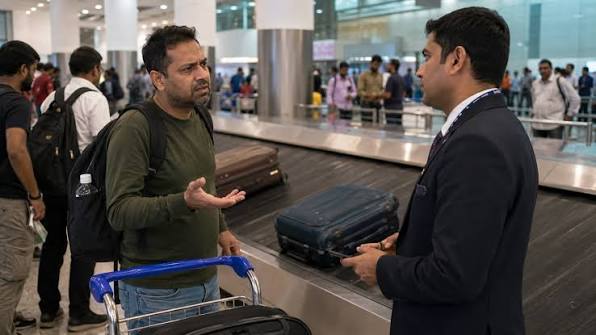
Buy what you reasonably need for the situation, then keep itemized receipts. For a trip away from home, that may mean toiletries, underwear, a change of clothes, and any essential item that cannot wait for delivery. The appropriate amount depends on where you are, how long the bag is missing, and what you need to do during the trip.
For example, a traveler arriving for a two-day business meeting may reasonably need suitable clothing sooner than someone returning home to a full wardrobe. Buy in stages if you can: cover the first day, check the baggage status, and purchase more only if the delay continues.
Keep the packaging or photograph purchases if the claim is substantial. An itemized receipt shows what you bought; a card statement alone may show only the store and total. If the airline provides an essentials kit, ask whether accepting it affects reimbursement for anything else you still need.
Do not assume that every purchase will be reimbursed. Luxury replacements or a complete new wardrobe may be difficult to justify for a short delay. Explain any unusual expense in your claim, particularly if it was necessary for work, weather, a child, or a medical need.
How to Track Your Bag and Follow Up
Use the tracking link or case number the airline gives you, but keep a separate record of communications. Save status screenshots and note each call or chat. If the system says the bag has been found, ask for its expected delivery time and confirm the address again.
A personal luggage tracker can provide a useful clue. Share its location with the airline’s baggage team, along with the time of the update. A tracker location does not replace the airline’s baggage report, and staff may need time to verify and retrieve the case.
If you are about to move to another city, tell the airline before the bag goes out for delivery. If you cannot reach the baggage desk, use the airline’s official written contact channel so your new address is recorded. Keep your original case number in the subject line.
When Is a Missing Bag Officially Lost?
There is no universal airline deadline for every journey. DOT says most carriers declare a bag lost five to fourteen days after the flight, but policies and circumstances differ. If the search drags on, ask the airline in writing when it will classify the bag as lost and how to file a full contents claim.
For journeys governed by the Montreal Convention, a passenger can enforce rights arising from loss if the carrier admits the checked bag is lost or it has not arrived 21 days after the date it should have arrived. That 21-day provision does not mean you should wait three weeks to report the problem or to submit receipts for essentials.
If the airline finds the bag after you have submitted a loss claim, tell it. The final payment may change because you now have the suitcase and its contents. You may still have a claim for reasonable expenses incurred during the delay.
How Much Compensation Can You Get for Lost Luggage?
Compensation is based on the loss you can show, up to the applicable liability limit. The limit is a ceiling, not an automatic payout. Airlines may ask for receipts or other evidence for valuable contents, and they may take age and depreciation into account when assessing the value of used belongings.
DOT lists the US domestic limit as $4,700 and the Montreal Convention limit as 1,519 SDR, approximately $2,175 in its published conversion. The International Civil Aviation Organization confirms that the 1,519 SDR limit took effect on December 28, 2024. Currency equivalents fluctuate.
For a US covered flight, you can also seek a refund of the checked baggage fee if the bag is declared lost. A fee refund may also be due when a bag is significantly delayed, provided you filed a mishandled baggage report. DOT defines a significant delay for this purpose as more than 12 hours after arrival on a domestic flight, or 15 or 30 hours on a flight between a US and foreign airport, depending on flight duration. Exceptions apply.
What if expensive items were inside?
Make an honest inventory, even if you no longer have every receipt. Photos, order confirmations, warranties, bank records, and descriptions of the items can help support the claim. List each item, its approximate purchase date, original cost if known, and a reasonable estimate of its value when lost.
Check the airline’s conditions of carriage for exclusions, especially for cash, electronics, jewelry, fragile goods, and other valuables. DOT notes that US domestic and international treatment of excluded items differs. You can also check your travel insurance, credit card travel benefits, or home insurance for coverage beyond what the airline pays.
If the missing item is a wheelchair or another assistive device, contact the airline’s disability or special assistance desk immediately. On US domestic flights, DOT says the ordinary baggage liability cap does not apply to lost or damaged assistive devices used by passengers with disabilities.
How to File a Lost Luggage Claim
The airport report starts the search, but the airline may require a separate written expense or loss claim. Check its instructions and deadlines, then submit through its official claim form or written channel. Save a copy of everything you send.
A strong claim should include:
Your name, contact details, flight numbers, travel dates, and booking reference.
The baggage tag number and missing baggage case number.
An itemized list of the suitcase and contents, with supporting records where available.
Receipts for necessary purchases made while the bag was delayed.
Proof of any checked baggage fee paid.
A clear request for reimbursement and the bag fee refund, where applicable.
Keep the explanation factual. State when you reported the bag, how long it was unavailable, when the airline declared it lost, and how you calculated the amount requested. If it offers a settlement you believe is too low, ask for the calculation in writing and respond with evidence for the items it overlooked.
Pay attention to written claim deadlines. For EU passenger guidance, a claim about lost or damaged luggage should be made in writing to the airline within seven days; for a delayed bag that is returned, the guidance says to claim within 21 days of receiving it.
Because deadlines depend on the governing rules and type of claim, report and write to the airline promptly rather than waiting for the search to end.
Traveler Tips That Make a Claim Easier
A few preparations can turn a difficult claim into a straightforward one.
Photograph your packed bag and its contents before departure, especially if you carry equipment or costly clothing.
Check the destination on the printed baggage tag at check-in and keep the claim stub until your bag is back.
Put your name and contact details inside the suitcase as well as on the outside.
Carry medicine, documents, keys, and irreplaceable items with you. DOT specifically advises against placing such critical items in checked baggage.
Keep claims in writing. Phone calls can help with updates, but written messages preserve the dates, amounts, and promises you may need later.
For future trips, a longer connection gives baggage handlers more time to transfer your case. A nonstop flight removes the transfer altogether. Neither guarantees that a bag will arrive, but both simplify the route your suitcase has to take.
Frequently Asked Questions
Should I leave the airport if my luggage does not arrive?
File a missing baggage report first and get the reference number. Confirm your delivery address and how to contact the baggage team. Once that is done, you can usually leave and track the search remotely.
Will the airline bring my suitcase to my hotel?
Often, airlines arrange delivery after locating a delayed bag, but confirm the arrangement for your specific case. Give a complete address and ask whether you need to be present or show identification when it arrives.
Can I claim clothes and toiletries the same day?
You can seek reimbursement for reasonable, necessary purchases made because your checked bag is delayed. Keep itemized receipts and choose items suited to your immediate needs. On US covered travel, DOT requires compensation for reasonable, actual, and verifiable incidental expenses, within applicable limits.
Do I get the full value of everything in the suitcase?
Not automatically. You need to support your claim, and the airline may account for depreciation and applicable exclusions. The domestic or international liability limit is the maximum the airline may be required to pay, not a fixed award.
Can I get my baggage fee back?
For US covered travel, yes, if the airline declares your paid checked bag lost. A refund can also be due after a significant delay if you filed a mishandled baggage report and the conditions are met. Check the rule for your particular route.
What if the airline finds my bag after I file a lost baggage claim?
Tell the airline and inspect the bag when it arrives. Update your inventory if something is damaged or missing. Your claim for the contents may change, but documented expenses caused by the delay can still matter.
What if the airline stops responding?
Follow up in writing with your case number, evidence, requested amount, and a reasonable response date. If the airline still does not resolve it, check the aviation consumer complaint process in the country responsible for your flight, along with any travel insurance claim you can make.
Verdict: Act Early and Keep the Evidence
When luggage disappears, the most useful action is a written airline report before you leave the airport. That report starts the search and gives your later expense or loss claim a clear record. Save your tag and case number, buy only what you reasonably need, and keep receipts.
If the bag is recovered, inspect it and claim eligible expenses from the delay. If it is declared lost, submit a detailed, supported claim for the suitcase and contents, and ask for any baggage fee refund that applies. Early reporting and careful records put you in the strongest position whichever way the search ends.
Some links on this page are affiliate links. If you book through one we may earn a commission, at no extra cost to you. It never affects our ratings, our rankings, or the price you pay.