Is Vietnam Airlines Safe to Fly?
Is Vietnam Airlines safe? Yes, it remains a reasonable choice for travelers, based on its international safety audit status and continued operation on domestic and international routes.
Is Vietnam Airlines safe? Yes, it remains a reasonable choice for travelers, based on its international safety audit status and continued operation on domestic and international routes. But a fair answer also needs to address two serious incidents: a ground collision in Hanoi in 2025 and a troubled takeoff from Munich in August 2026. Neither caused injuries, but both deserve attention.
If you are about to book a flight, a dramatic headline can be hard to put in context. An incident does not automatically mean an airline is unsafe. A high safety ranking does not mean incidents cannot happen, either. The useful questions are what happened, whether anyone was hurt, what investigators have established, and whether the airline faces operating restrictions.
This guide looks at those questions in plain English. It also explains what an airline safety audit covers, what it cannot guarantee, and how to check the operating carrier before you travel.
What Kind of Airline Is Vietnam Airlines?
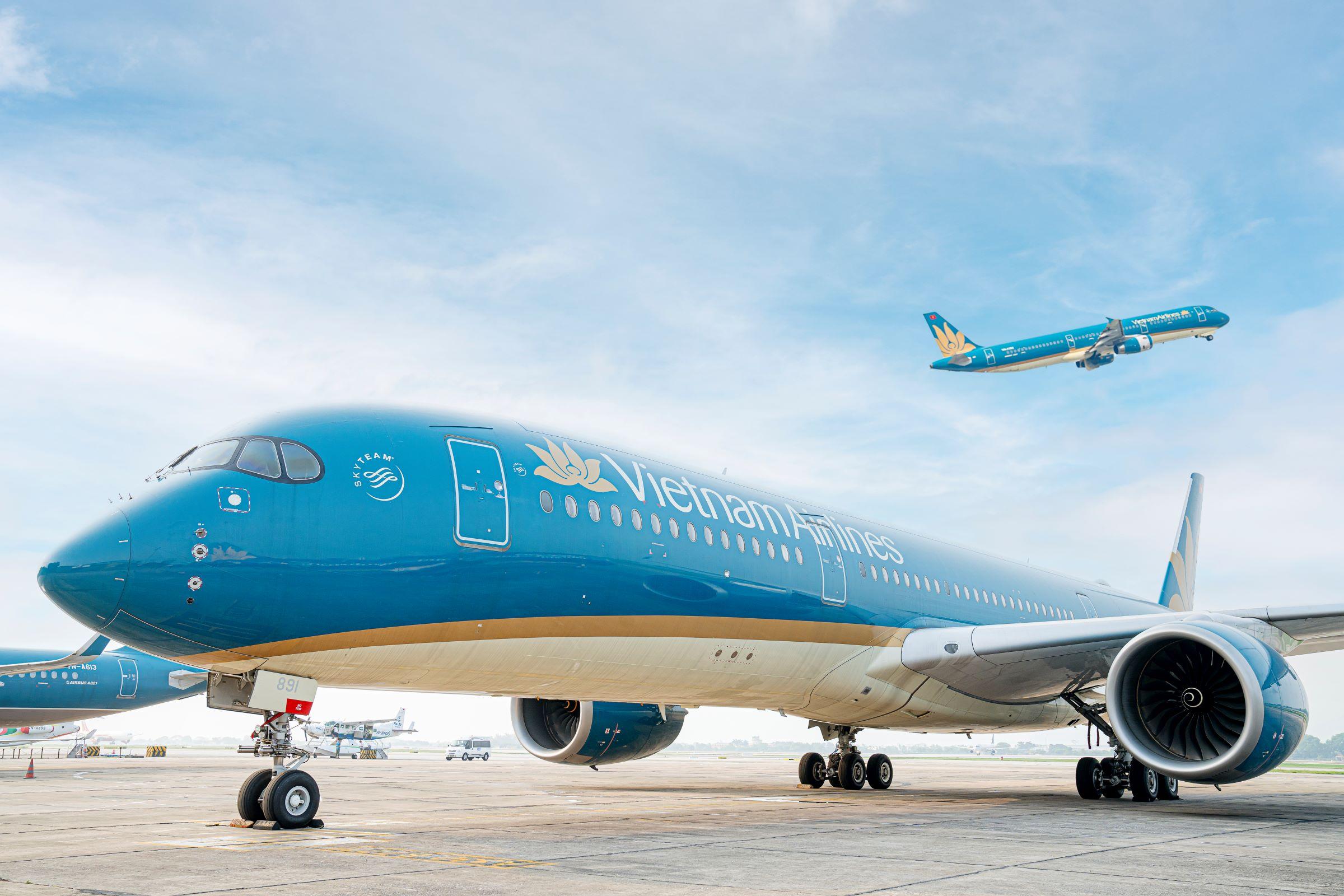
Vietnam Airlines is Vietnam’s flag carrier. It flies domestic routes as well as international services across Asia and to destinations farther afield. Its fleet includes Airbus A321 and A350 aircraft and Boeing 787 aircraft.
The aircraft type on your booking can vary by route, and airlines sometimes change aircraft before departure. That matters if you are comparing cabin comfort, but it is not a shortcut to judging safety. An aircraft’s condition, maintenance, crew procedures, and operating oversight matter more than whether its model is new or familiar.
Also check the words “operated by” on your itinerary. A ticket sold under a Vietnam Airlines flight number may involve a partner carrier on one leg. If that happens, look up the operating airline rather than assuming Vietnam Airlines operates every flight in the booking.
How Is Vietnam Airlines’ Safety Assessed?
IATA’s Operational Safety Audit
Vietnam Airlines is a member of the International Air Transport Association, or IATA. IATA requires member airlines to remain registered under its Operational Safety Audit, usually shortened to IOSA.
IOSA examines an airline’s operational management and control systems. It gives travelers a more useful signal than a marketing claim about putting safety first. It shows that the airline is subject to a recognized, recurring audit framework.
Still, an audit is not a promise that every decision will be perfect. It assesses systems and procedures; it cannot rule out human error, equipment problems, or a future incident. Think of it as one strong piece of evidence, not the entire answer.
European Operating Status
Vietnam Airlines is not on the EU Air Safety List of airlines banned or restricted from operating in the European Union. That is another meaningful check for someone deciding whether to book.
The EU list is a regulatory tool, though, not a league table of every airline’s safety performance. Being absent from it does not mean an airline has never had an incident. It means the carrier is not subject to a listed EU ban or restriction.
Airline Safety Rankings
You may also see Vietnam Airlines included in lists of the world’s safest full-service airlines. Those rankings can help you find a starting point, but their methods differ. Some weigh fleet age, incidents, audit status, or other factors in ways that are difficult to compare at a glance.
For a booking decision, give more weight to audits, regulatory status, and verified incident reports than to a single ranking position. A headline that says “top 25” cannot tell you exactly what happened on a particular flight.
What Has Happened in Recent Incidents?
This is the part many travelers want to know about. Two recent events were serious enough to warrant a closer look, and neither should be hidden behind a broad claim that the airline is safe.
Hanoi Ground Collision in June 2025
In June 2025, two Vietnam Airlines aircraft collided while moving on the ground at Hanoi’s Noi Bai airport. A Boeing 787’s wing struck an Airbus A321. The aircraft were damaged, but passengers were evacuated and no injuries were reported.
A ground collision is different from a crash in flight, yet it is still a safety incident. Aircraft movement around an airport depends on clear instructions, crew awareness, and correct positioning. Reports at the time said the pilots involved were suspended while authorities investigated.
The event shows why an airline’s safety record should include ground operations, not only airborne accidents. It also shows the limit of drawing a quick conclusion from early reporting: a traveler should separate the known outcome from any proposed cause until investigators finish their work.
Munich Takeoff Incident in August 2026
On August 15, 2026, Vietnam Airlines flight VN34, a Boeing 787-9 bound for Hanoi, had a serious problem during takeoff from Munich. Germany’s aircraft accident investigation authority reported that the aircraft rotated late. The flight returned to Munich, and all 271 passengers and 16 crew members were safe.
Vietnam Airlines initially described the return as being for technical reasons. Investigators’ account gives a clearer picture of the takeoff event, but the final cause should not be assumed while the investigation remains open. An early statement, video, or passenger account cannot settle exactly which actions and conditions contributed.
For a nervous passenger, this is a fair reason to pause and read the verified updates. It is not, on its own, proof that every Vietnam Airlines flight is unsafe. The responsible assessment is to acknowledge the severity of the event and wait for the investigation’s findings before assigning blame.
How to Read These Events Fairly
Both incidents ended without reported injuries, which matters. So does the fact that they happened at all. Saying “everyone was safe” should not erase questions about how the events occurred and what changes may follow.
At the same time, counting two incidents without considering their circumstances can mislead. Airlines operate many flights under different weather conditions, at different airports, with different aircraft and crews. A single incident report is evidence about a particular event, not a complete measure of an airline’s risk.
If new official findings emerge after publication, they may change the assessment of those events. That is why the date of a safety article matters as much as its headline.
What Safety Measures Matter on a Vietnam Airlines Flight?
Passengers cannot inspect an aircraft or audit a maintenance program. They can, however, understand the parts of airline safety that affect a journey.
Aircraft Maintenance and Flight Checks
Commercial aircraft follow inspection and maintenance requirements. Crews also perform checks before departure. If a problem needs assessment, a flight can be delayed, an aircraft can be changed, or passengers can be moved to another service.
A maintenance-related delay is frustrating, especially when you have a connection. It does not automatically mean an airline is careless. Delaying departure can be the correct response to a problem. What matters is whether the aircraft is cleared under the applicable procedures before it flies.
Do not use cabin wear as a direct measure of mechanical condition. An older-looking seat or entertainment screen can make a flight feel dated, but it tells you little about the inspection of engines, flight controls, or other critical systems.
Crew Procedures and Training
Safety depends on crews noticing problems, following procedures, and making decisions under pressure. Pilots and cabin crew have different roles, and both matter. Cabin crew prepare the cabin, check that passengers can evacuate if needed, and give instructions when conditions change.
You can help by listening to the briefing even if you fly often. Find the nearest exits, keep your seat belt fastened while seated, and follow crew directions promptly. Those are small actions, but they matter more to your personal safety than choosing a seat based on a social-media tip.
Weather and Turbulence
Vietnam’s weather can affect flights, particularly during periods of heavy rain and storms. Flights may be rerouted, delayed, or held on the ground when conditions call for it. A bumpy approach can feel alarming without indicating that the airline is operating outside safe limits.
Keep your seat belt loosely fastened whenever you are seated, even when the sign is off. Sudden turbulence is a more practical concern for many passengers than the rare events that dominate headlines. If the crew pause service or ask you to sit down, follow the instruction straight away.
How to Check Your Flight Before You Book
There is no reliable way for a passenger to certify the safety of one future flight. You can still make a more informed booking with a short set of checks.
Confirm the operating airline. Look at each flight segment, especially on a connection or codeshare booking.
Check the route and connection time. A realistic connection reduces the stress of rushing through an unfamiliar airport after a delay.
Read recent official safety information. If a particular incident concerns you, look for statements from the investigating authority and the airline.
Review the fare and change rules. If you feel uneasy about a route, knowing your options before paying gives you room to decide.
Check special travel needs early. If you need mobility assistance, medical support, or help traveling with a child, arrange it before departure.
Recheck your booking before travel. Aircraft, schedules, and operating carriers can change, so review the itinerary again before leaving for the airport.
Do not rely on an aircraft’s age listed on a flight-tracking site as your main test. A well-maintained older aircraft can operate safely, and a newer aircraft still needs sound procedures and oversight. Likewise, one harsh review about food or a delayed bag says little about flight safety.
Vietnam Airlines Safety: Pros and Cons
Reasons Travelers May Feel Reassured
Recognized audit framework: IATA membership requires continuing IOSA registration.
No EU operating ban: Vietnam Airlines is not listed among carriers banned or restricted under the EU Air Safety List.
Established international operation: The airline runs both domestic and long-haul services using widely operated Airbus and Boeing aircraft.
Transparent points to check: Travelers can consult official incident updates instead of depending entirely on ratings or reviews.
Reasons to Look More Closely
Recent serious incidents: The 2025 Hanoi collision and 2026 Munich takeoff event deserve attention.
The Munich investigation is consequential: Its final findings may add detail that is not available in early reports.
Ratings have limits: A high placement on a safety list cannot predict what will happen on your flight.
Your ticket may involve another operator: A codeshare itinerary needs to be checked one segment at a time.
These points are not equal in weight for every traveler. Someone worried by the Munich event may reasonably want to follow the investigation before booking. Someone choosing between routine flights should compare the full itinerary, operating carrier, timing, and their own comfort level.
Practical Safety Tips for Travelers

A few habits make more difference to your trip than searching for an “ideal” aircraft model.
Wear your seat belt while seated. Leave it fastened during sleep if you can do so comfortably.
Count the rows to your nearest exits. Your closest exit may be behind you.
Keep essentials in your carry-on. Medication and important documents should stay with you, subject to security rules.
Follow cabin crew instructions during a disruption. Pause filming, put devices away, and listen if the crew need your attention.
Allow extra time during storm-prone travel periods. A weather delay may be inconvenient, but it can be the sensible operational choice.
Use official updates for incident news. Early social posts often mix confirmed facts with guesses about the cause.
If you are anxious about flying, it can help to decide what information you actually need before opening a long stream of incident videos. Check the official facts, choose an itinerary you are comfortable with, and tell a crew member if you need help during the flight.
Frequently Asked Questions
Is Vietnam Airlines safe for international flights?
Yes, it is generally a reasonable international airline choice. It has recognized audit credentials and is not subject to an EU operating ban. That said, its August 2026 Munich incident is under investigation, so travelers should avoid claims that the cause is already known.
Is Vietnam Airlines safe for domestic flights in Vietnam?
Vietnam Airlines is generally considered a reasonable option for domestic travel as well. The airline’s safety systems apply across its operation, though each flight has its own aircraft, crew, airport, and weather conditions. Check the operating carrier if your itinerary has several legs.
Was anyone hurt in the Munich incident?
No injuries were reported among the 271 passengers and 16 crew members on flight VN34. The aircraft returned to Munich after the takeoff event. The absence of injuries is reassuring, but it does not make the event insignificant.
Has Vietnam Airlines had a recent crash?
The two recent events covered here were a ground collision in Hanoi in 2025 and a takeoff incident in Munich in 2026. Neither caused reported passenger injuries. Be careful with headlines that use “crash” loosely; the details of an event matter more than the label.
Does IOSA mean Vietnam Airlines is completely safe?
No airline can offer complete safety. IOSA assesses operational systems against a recognized international standard and is a meaningful positive indicator. It cannot prevent every error or predict the outcome of a particular flight.
Are Vietnam Airlines’ Boeing 787 and Airbus A350 aircraft safe?
An aircraft model alone is not enough to judge a flight. Both types are used for commercial long-haul service, but the relevant questions include maintenance, crew procedures, operating conditions, and oversight. A recent incident involving one aircraft should be investigated on its facts.
Should I avoid Vietnam Airlines because of the 2026 Munich incident?
That is a personal booking decision. The incident was serious, everyone on board was safe, and investigators have not established a final cause in the information reviewed for this article. If it affects your confidence, follow official investigation updates and compare the operating carriers on your available routes.
Final Verdict: Is Vietnam Airlines Safe?
Yes. Vietnam Airlines remains a reasonable airline to book, supported by its IOSA status and the absence of an EU operating ban. Travelers should also take the recent Hanoi and Munich incidents seriously. Both ended without reported injuries, and the Munich event should be judged against the investigators’ final findings when available.
For your own trip, confirm who operates each flight, keep an eye on official updates, and follow basic onboard precautions such as wearing your seat belt. That is a sounder way to decide than trusting either a reassuring ranking or an alarming headline on its own.
Some links on this page are affiliate links. If you book through one we may earn a commission, at no extra cost to you. It never affects our ratings, our rankings, or the price you pay.