How to Check Which Aircraft Operates Your Flight
Knowing which aircraft operates your flight can tell you a lot about the journey before you even reach the airport.
Knowing which aircraft operates your flight can tell you a lot about the journey before you even reach the airport. The aircraft type can affect seat configuration, cabin layout, legroom, entertainment, WiFi, overhead storage, and the business or first class product available on a particular flight.
This information becomes especially useful on long haul journeys. Two flights operated by the same airline can provide noticeably different experiences simply because one uses a different aircraft.
Finding the aircraft is usually straightforward. Airlines commonly display the scheduled aircraft type during booking or under detailed flight information after purchase. The important word, however, is scheduled. Airlines can change aircraft for operational reasons, sometimes even shortly before departure.
This guide explains how to check which aircraft operates your flight, understand aircraft names and codes, compare cabin layouts, and deal with an aircraft change.
Why Does the Aircraft Type Matter?

For a short flight, aircraft type may not significantly influence your booking decision.
On an eight or twelve hour journey, it can matter considerably more.
Different aircraft can have different:
Seat configurations
Seat widths and legroom
Business class layouts
Premium economy cabins
Entertainment systems
WiFi capabilities
Charging facilities
Overhead storage
Cabin designs
Even two aircraft of the same general model can have different interiors because airlines choose their own seating arrangements.
The aircraft model tells you what plane is scheduled. The airline's specific configuration tells you what passengers are likely to experience inside it.
Step 1: Check During the Flight Search
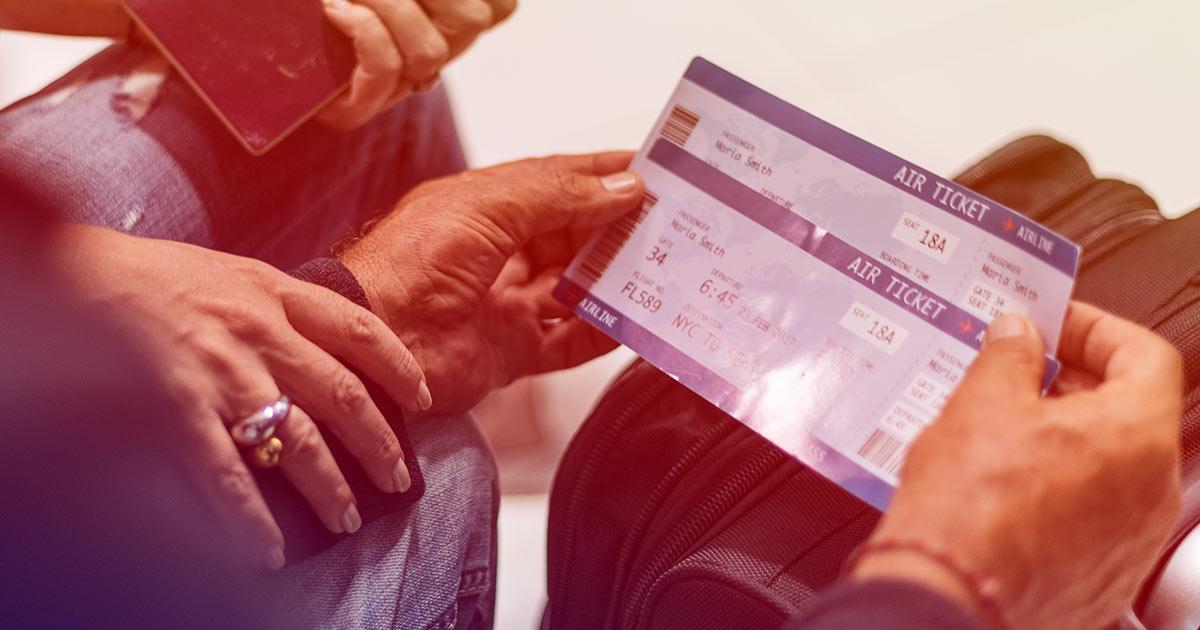
One of the easiest times to identify the aircraft is before booking.
When searching directly with an airline or through a flight search service, open the detailed information for the flight.
You may see something such as:
Aircraft: Boeing 787-9
or:
Equipment: Airbus A350-900
Sometimes the aircraft is displayed immediately. Other booking systems require you to expand a section labeled "Flight details," "Aircraft," "Equipment," or similar wording.
Check each segment individually if you have a connecting itinerary.
The first and second flights may use completely different aircraft.
Step 2: Check Your Booking After Purchase
If you have already purchased the ticket, open your reservation through the airline's booking management system.
Find the individual flight segment and expand its details.
Look for:
Aircraft type.
Equipment.
Plane type.
Flight details.
Cabin details.
Some airlines make the aircraft easy to find, while others emphasize schedule, terminal, and seat information instead.
If the aircraft is not displayed prominently, the seat map can sometimes provide additional clues.
Step 3: Identify the Operating Airline First
Before researching the aircraft, make sure you know which airline actually operates your flight.
This matters particularly with codeshares.
Your ticket might show:
AB 4500
Operated by XYZ Airlines
AB Airlines markets the flight, but XYZ Airlines operates the aircraft.
If you research AB Airlines' fleet and seat maps, you could end up looking at the wrong product entirely.
Always identify the operating carrier before investigating the aircraft.
The operating airline is normally the carrier responsible for the physical aircraft and crew.
Step 4: Understand Aircraft Names
Aircraft descriptions often contain a manufacturer followed by a model or variant.
Examples include:
Airbus A320
Airbus A321neo
Airbus A330-300
Airbus A350-900
Boeing 737-8
Boeing 777-300ER
Boeing 787-9
The numbers and suffixes distinguish aircraft families and variants.
Do not assume every version of an aircraft family is identical.
A Boeing 787-8, 787-9, and 787-10 belong to the same broad family but differ in dimensions and capacity.
The same applies to Airbus families.
For cabin research, identify the exact variant whenever possible.
Step 5: Understand Aircraft Equipment Codes
Sometimes you will see a short code rather than the full aircraft name.
These are commonly called aircraft or equipment codes.
A booking system may display a code that represents a particular aircraft type.
The exact presentation varies between airlines and reservation systems.
If you encounter an unfamiliar code, check the airline's flight details or fleet information to determine which aircraft it represents.
Do not guess based solely on a short equipment code because different technical and booking systems may present aircraft information differently.
Your goal is to translate the code into a recognizable aircraft model and variant.
Step 6: Check the Seat Map
The seat map is one of the most useful tools for understanding the aircraft configuration.
After opening your reservation, select the seat selection option.
You may be able to see:
Number of cabins.
Number of seats per row.
Emergency exit locations.
Premium economy section.
Business class layout.
Extra legroom seats.
Seat availability.
The seat map can help distinguish between different configurations of the same aircraft.
For example, an airline might operate multiple versions of one aircraft model, with different business class seats or economy layouts.
That is why the aircraft name alone does not tell the whole story.
Step 7: Understand Aircraft Type vs Aircraft Configuration
This distinction is important.
Suppose two airlines both operate the Boeing 787-9.
That does not mean passengers receive the same experience.
Airline A might install one economy configuration, while Airline B chooses another.
The number of business class seats may differ.
One airline may have premium economy while another does not.
Even a single airline can operate multiple configurations of the same aircraft.
Therefore, when comfort matters, research both:
Aircraft type + airline configuration
This provides a much better picture than simply searching for the aircraft model.
Step 8: Check Your Exact Travel Date
Do not research only by route.
Airlines can operate different aircraft on the same route depending on the date, season, or individual flight.
For example, the morning service might use one aircraft while the evening service uses another.
A route could also use a larger aircraft during busy periods and a smaller one at other times.
When checking your aircraft, use the exact:
Airline.
Flight number.
Departure airport.
Arrival airport.
Travel date.
These details make it much easier to identify the scheduled equipment for your specific service.
Step 9: Use the Flight Number Carefully
Flight numbers are useful, but remember codeshares.
Suppose your ticket displays Airline A Flight 5000, operated by Airline B.
Airline B may use its own flight number for the same physical service.
When researching the aircraft, the operating carrier's flight information can sometimes be more useful than the marketing codeshare number.
Make sure you are looking at the correct date and physical flight.
Two codeshare numbers can refer to the same aircraft rather than separate flights.
Step 10: Check the Airline's Fleet Information
Once you know the scheduled aircraft, learning about the airline's fleet can help you understand what to expect.
Airline fleet information may explain which aircraft families the carrier operates and sometimes show cabin layouts or seat features.
This is particularly useful if you see an unfamiliar model.
For example, you may want to determine whether the aircraft normally offers:
Premium economy.
Lie flat business class seats.
Seatback entertainment.
WiFi.
USB charging.
Remember that features can vary by individual aircraft and configuration, so fleet wide descriptions should not always be treated as guarantees.
Step 11: Compare Aircraft Before Booking

If you have two similarly priced flights, aircraft type can become a useful secondary comparison factor.
Consider this example:
| Factor | Flight A | Flight B |
|---|---|---|
| Price | $720 | $750 |
| Duration | 9h 10m | 9h 15m |
| Aircraft | Aircraft Type A | Aircraft Type B |
| Economy layout | Configuration A | Configuration B |
| Seat selection | Available | Available |
| Departure time | 8:00 p.m. | 9:00 p.m. |
These details are illustrative.
If Flight B offers a cabin configuration you strongly prefer, paying a little more may be worthwhile on a long journey.
However, aircraft should rarely be the only factor. Schedule, connections, fare conditions, baggage, and price can matter more.
Step 12: Pay More Attention on Long Haul Flights
Aircraft differences become more meaningful as flight duration increases.
On a one hour flight, you may care mainly about price and schedule.
On a twelve hour flight, cabin design can significantly influence comfort.
Long haul travelers may want to investigate:
Seat pitch.
Seat width.
Recline.
Cabin configuration.
Entertainment.
Power.
WiFi.
Business class privacy.
Premium economy availability.
The aircraft model helps narrow your research, but the airline's actual seat configuration remains essential.
Step 13: Check Business Class Layout Carefully
Aircraft research can be especially valuable when booking business class.
Two aircraft operated by the same airline may offer very different premium cabins.
One could have direct aisle access from every seat, while another configuration may not.
Older and newer cabin products can also coexist within an airline's fleet.
If you are paying significantly more for business class, look at the seat map for your scheduled aircraft rather than assuming the airline uses the same premium seat everywhere.
The same principle applies to first class and premium economy.
Step 14: Know That Aircraft Can Change
This is the most important limitation of aircraft research.
The aircraft displayed during booking is normally the scheduled aircraft, not an absolute guarantee.
Airlines may substitute aircraft because of:
Maintenance.
Operational requirements.
Schedule changes.
Demand.
Weather disruption.
Aircraft availability.
Fleet rotations.
An aircraft swap can happen months before departure or relatively close to the flight.
You should therefore treat aircraft information as highly useful but potentially changeable.
Step 15: Recheck Your Aircraft Before Travel
If aircraft type matters to you, check your booking periodically, especially as departure approaches.
A changed seat map can sometimes reveal that the airline has substituted a different aircraft or configuration.
You may notice that:
Your seat number changed.
The number of rows changed.
The cabin layout changed.
Your selected seat disappeared.
The aircraft description changed.
If this happens, open your reservation and confirm your current seat assignment.
Do not assume your original seat automatically remains equivalent after an aircraft change.
Common Mistakes When Checking Aircraft Type
A common mistake is researching the marketing airline instead of the operating carrier on a codeshare flight.
Another is assuming every aircraft with the same model name has an identical interior.
Travelers also sometimes research a route without checking the exact flight number and date.
Perhaps the biggest mistake is treating the scheduled aircraft as guaranteed.
Airlines need operational flexibility, and aircraft substitutions are a normal possibility.
Use aircraft information to make a better informed booking, but avoid building your entire trip around a particular plane unless you are comfortable with the possibility of a change.
Frequently Asked Questions
How can I find which aircraft operates my flight?
Open the detailed flight information during booking or manage your reservation afterward. Look for "Aircraft," "Equipment," or similar information.
Is the aircraft shown during booking guaranteed?
Usually not. Airlines can substitute aircraft for operational reasons.
Why does the operating airline matter?
The operating carrier generally provides the physical aircraft and crew, so you should research its fleet rather than only the marketing airline.
Can the same flight number use different aircraft?
Yes. Aircraft assignments can vary by date and can also change before departure.
Does the same aircraft model always have the same seats?
No. Airlines choose their own cabin configurations, and one airline may operate multiple layouts of the same aircraft type.
How do I know if my aircraft has changed?
Check the aircraft information and seat map in your reservation. Changes to seat assignments or cabin layout can also indicate an aircraft substitution.
Should aircraft type influence which flight I book?
It can be a useful consideration, particularly on long haul or premium cabin journeys, but price, schedule, connections, baggage, and fare conditions should also be considered.
Final Thoughts
Checking which aircraft operates your flight starts with identifying the operating airline and then looking at the detailed information for your exact flight number and travel date.
Once you know the scheduled aircraft, go one step further and examine the airline's cabin configuration and seat map. The model name alone cannot tell you exactly how comfortable the flight will be.
This research is particularly worthwhile for long haul journeys, premium economy, business class, and first class, where differences between aircraft configurations can be substantial.
Most importantly, remember that aircraft assignments can change.
Use the scheduled aircraft to make a more informed booking decision, but recheck your reservation before departure if the aircraft or seat configuration matters to you.
That combination—operating airline, aircraft type, exact configuration, and current seat map—gives you the clearest picture of what you are likely to fly on and what you can expect once you board.
Some links on this page are affiliate links. If you book through one we may earn a commission, at no extra cost to you. It never affects our ratings, our rankings, or the price you pay.