How to Find Flights With Extra Legroom Before Booking
Finding a flight with extra legroom can make a noticeable difference, especially when you will be sitting onboard for several hours.
Finding a flight with extra legroom can make a noticeable difference, especially when you will be sitting onboard for several hours. Standard economy seats are designed to balance passenger comfort with aircraft capacity, and the amount of personal space can vary between airlines, aircraft, and even different rows on the same plane.
The good news is that you do not necessarily need to buy premium economy or business class to get more room. Many airlines offer extra legroom economy seats, including exit rows, bulkhead seats, preferred seating sections, or dedicated economy products with additional space.
The challenge is identifying these seats before you pay for your ticket and understanding exactly what "extra legroom" means on that particular flight.
Here is how to find flights with extra legroom and compare your options properly.
What Does Extra Legroom Mean on a Flight?
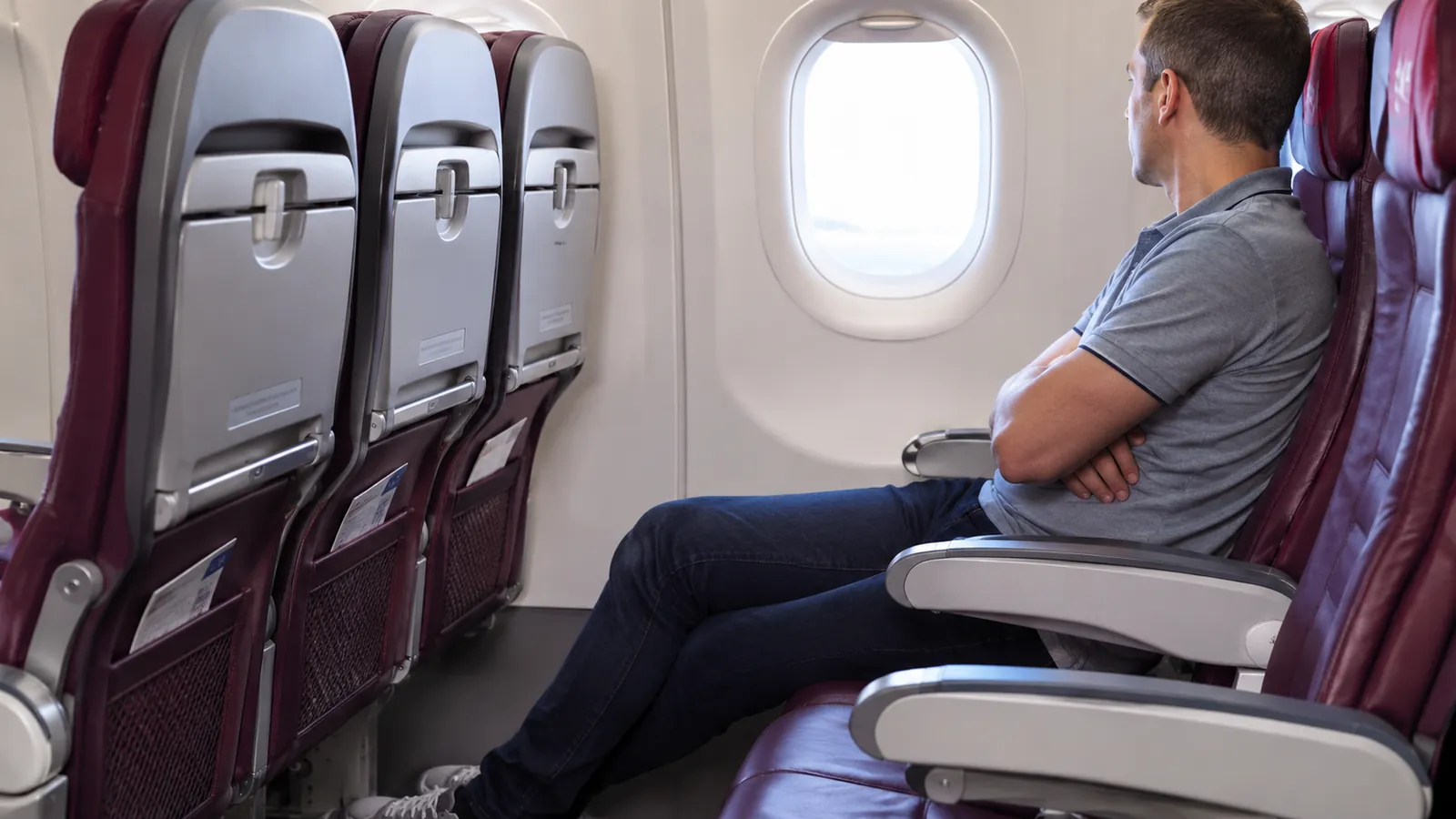
Extra legroom generally means a seat provides more space between your seat and the seat or structure in front of you than a typical standard economy seat.
Airlines may sell these seats under different names.
You might see descriptions such as:
Extra legroom
Extra space
Preferred seating
Economy Plus
Economy Comfort
Stretch seating
Exit row
Front row seating
The terminology varies considerably between airlines.
More importantly, "preferred seat" does not always mean extra legroom. Sometimes it simply means a standard economy seat in a desirable location, such as near the front of the cabin.
Always check what the seat actually provides.
Understand Seat Pitch Before Comparing Flights
One measurement you will frequently encounter while researching economy seats is seat pitch.
Seat pitch measures the distance between a point on one seat and the same point on the seat directly in front or behind it.
It is commonly used as an approximate indicator of passenger space.
However, seat pitch is not identical to usable legroom.
Seat thickness, design, entertainment equipment, tray tables, and structural features can influence how much room your knees and feet actually have.
Use seat pitch as a comparison tool rather than assuming it tells you exactly how spacious a seat will feel.
Step 1: Search for the Exact Flight
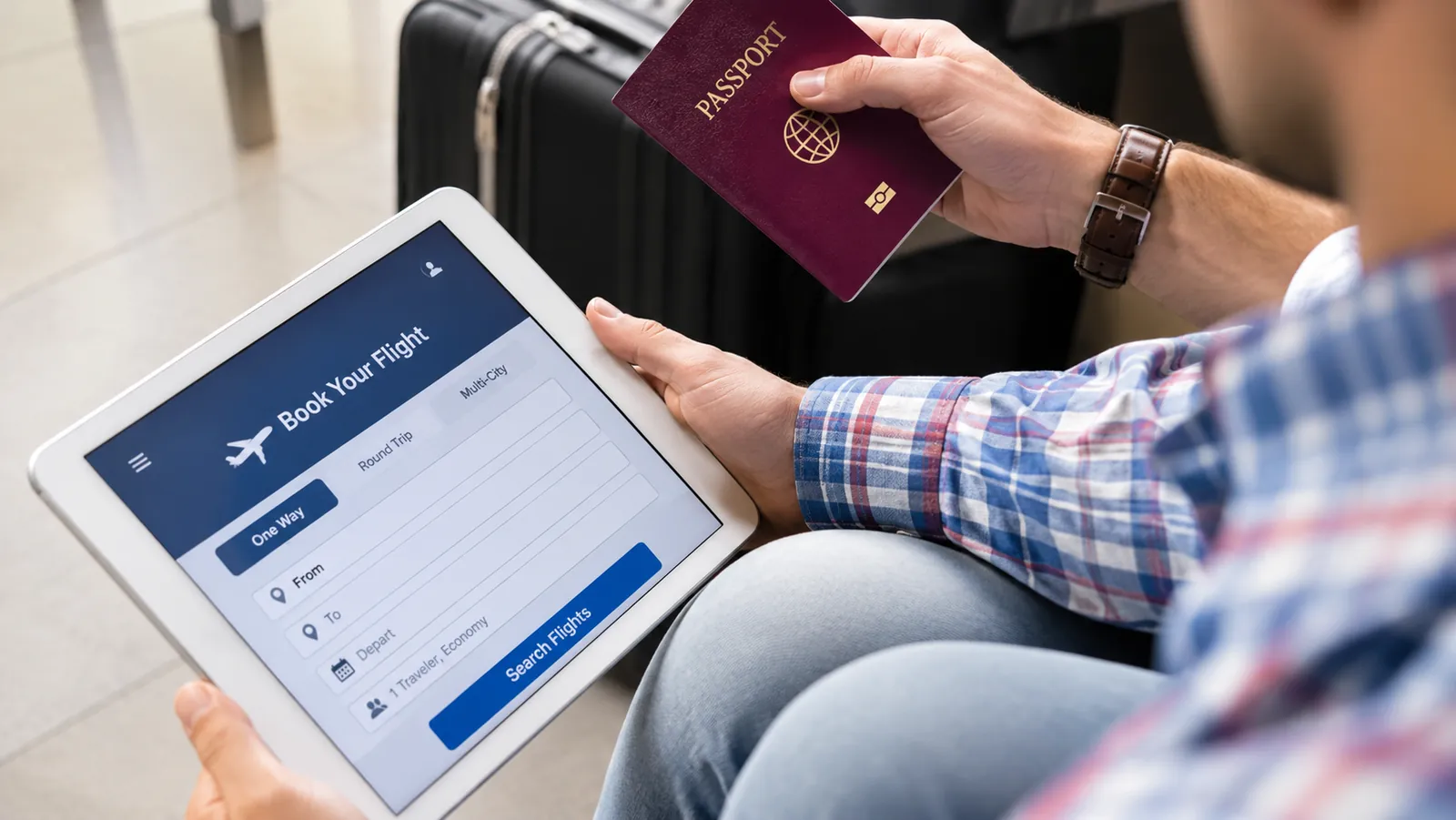
Start with the flights that actually work for your trip.
Compare:
Departure time.
Arrival time.
Total journey duration.
Number of stops.
Ticket price.
Operating airline.
Aircraft type.
Do not choose an airline purely because it has a reputation for spacious seating.
One airline may operate several aircraft configurations, and extra legroom availability can differ between flights.
Your goal is to find extra space on the specific flight you are considering.
Step 2: Identify the Operating Airline
This step is particularly important with codeshare flights.
Suppose your ticket is sold under Airline A's flight number but says:
Operated by Airline B
Airline B provides the aircraft and physical cabin.
Therefore, Airline B's seat configuration is the one you need to investigate.
Researching the marketing airline's seats could give you completely incorrect information about legroom, seat layout, and seat selection.
Always identify the operating carrier before researching seats.
Step 3: Check the Aircraft Type
Next, expand the flight details and look for the scheduled aircraft.
You might see:
Airbus A320neo.
Airbus A321neo.
Airbus A330.
Airbus A350.
Boeing 737.
Boeing 777.
Boeing 787.
The aircraft type helps you identify the appropriate seat map.
However, do not assume that one particular aircraft automatically provides more legroom.
Airlines decide how their cabins are configured.
Two airlines operating exactly the same aircraft model can provide different economy seating arrangements.
Step 4: Open the Seat Map Before Booking
The seat map is one of the best tools for finding extra legroom.
During the booking process, many airlines allow you to preview available seats before completing payment.
Look for seats marked differently from standard economy.
Depending on the airline, you may see categories such as:
Standard.
Preferred.
Extra legroom.
Exit row.
Front row.
Premium.
Open the description for the seat rather than relying only on its color or location.
The seat map should help you determine whether the seat genuinely provides additional space.
Step 5: Look for Dedicated Extra Legroom Sections
Some airlines create a specific section within economy that offers more legroom than standard rows.
These seats remain economy class, but passengers usually pay an additional seat selection charge or receive access through certain fares or status benefits.
This can be an attractive compromise when premium economy costs significantly more.
You receive additional space without necessarily paying for a completely different cabin.
When comparing these seats, check whether the additional price applies per flight segment.
On a connecting itinerary, you may need to purchase extra legroom separately for each flight.
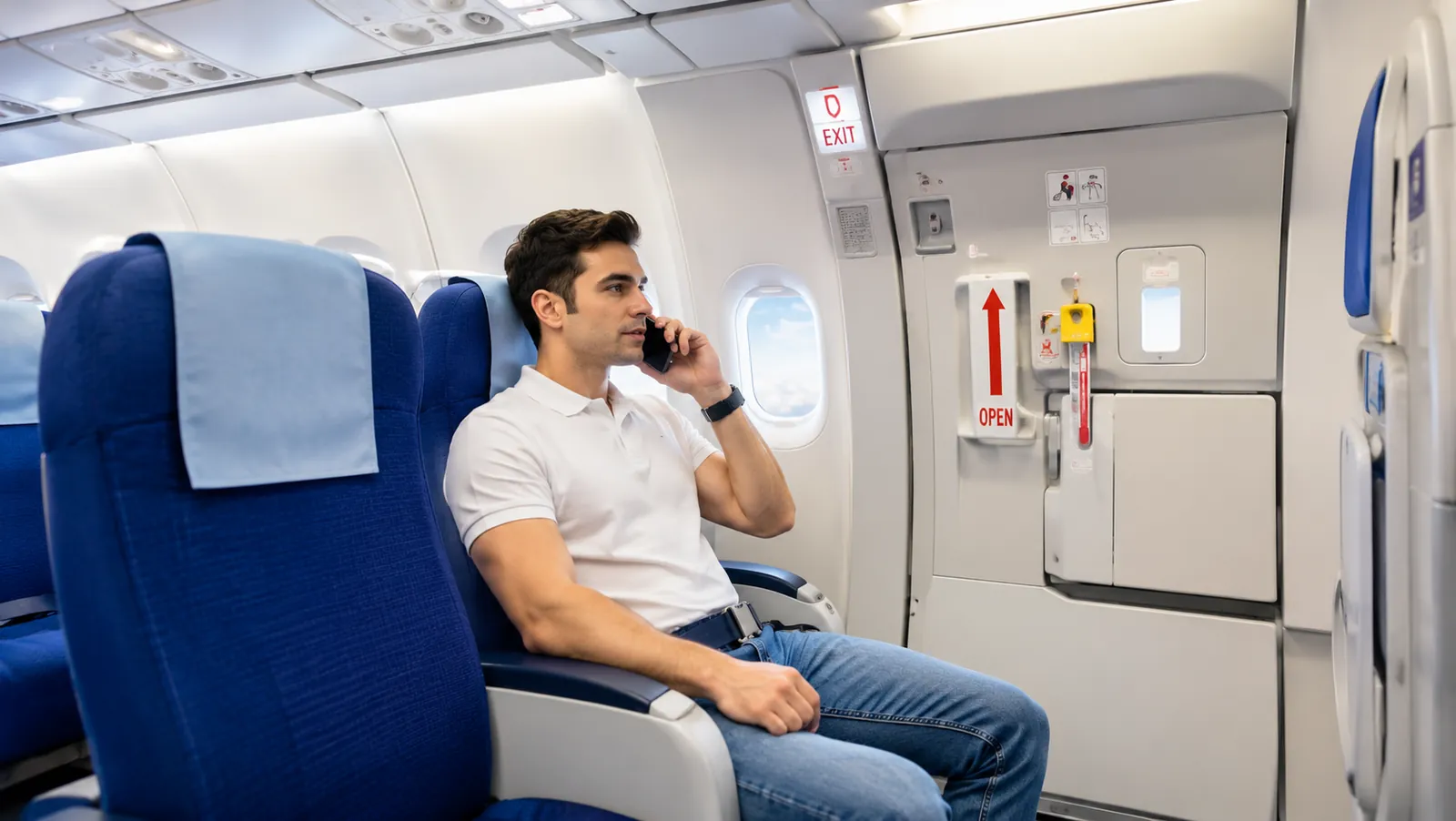
Step 6: Check Exit Row Seats
Exit rows are among the most common places to find additional leg space.
Aircraft emergency exits require sufficient surrounding space, which can result in more room in certain rows.
However, exit row seats come with important conditions.
Passengers seated there generally need to satisfy the airline's applicable safety requirements and be willing and able to assist in an emergency.
Restrictions can apply to certain passengers.
Exit rows can also have other differences, including:
Different recline.
Fixed armrests on some aircraft.
Different tray table placement.
Restrictions on floor storage during takeoff and landing.
Do not book an exit row based solely on legroom. Check the exact seat characteristics first.
Step 7: Investigate Bulkhead Seats
A bulkhead seat is positioned immediately behind a cabin divider, wall, or partition rather than another passenger seat.
Some bulkhead rows provide useful knee space because there is no conventional seat directly in front.
But bulkhead does not automatically mean unlimited legroom.
A fixed wall can restrict how far you extend your legs.
You may also have no under seat storage in front of you, particularly during takeoff and landing.
Bassinet positions are frequently located around certain bulkhead rows as well.
Check the aircraft's specific layout before paying extra.
Step 8: Understand Preferred Seats
This is where many travelers become confused.
A "preferred" seat may simply be located in a more desirable part of the economy cabin.
For example, the airline might charge extra for standard seats near the front because passengers sitting there can leave the aircraft sooner.
The seat could have exactly the same legroom as a standard seat farther back.
Before purchasing preferred seating, check whether the description explicitly mentions additional space or increased seat pitch.
Do not assume a higher seat fee means more legroom.
Step 9: Compare Extra Legroom With Premium Economy
Extra legroom economy and premium economy are not the same thing.
Here is a useful general comparison:
| Feature | Standard Economy | Extra Legroom Economy | Premium Economy |
|---|---|---|---|
| Cabin | Economy | Usually economy | Separate cabin where offered |
| Legroom | Standard | Increased | Usually increased |
| Seat width | Standard | Often similar to economy | Often wider |
| Seat design | Standard | Often standard economy seat | Usually upgraded |
| Recline | Standard | Varies | Often greater |
| Meal/service | Economy | Usually economy service | May be enhanced |
| Price | Lowest | Additional seat cost | Higher fare |
Exact features vary by airline and aircraft.
If your only priority is additional legroom, paying for an extra legroom economy seat may sometimes be more economical than upgrading to premium economy.
Step 10: Compare the Full Price
Never compare only the base airfare when searching for extra legroom.
Suppose you find these illustrative options:
| Option | Base Fare | Extra Legroom Seat | Total |
|---|---|---|---|
| Airline A | $400 | $85 | $485 |
| Airline B | $450 | $35 | $485 |
| Airline C | $475 | Included with selected fare | $475 |
Airline A initially appears cheapest but is not cheapest after seat selection.
Add any baggage charges as well.
The number that matters is the final price for the experience you actually want.
Step 11: Check Extra Legroom Availability Before Paying
Finding an airline that offers extra legroom is not enough.
Those seats need to be available on your flight.
Popular seats can be selected well before departure.
Before buying a nonrefundable ticket primarily because you want extra legroom, check whether the booking process allows you to preview the seat map.
Look at how many extra space seats remain.
If only one remains and you are traveling with a companion, the flight may not meet your needs.
Availability matters as much as the airline's seat specifications.
Step 12: Compare Long Haul Flights More Carefully
Extra legroom generally becomes more valuable as flight duration increases.
For a one hour flight, you may decide standard economy is perfectly acceptable.
For a twelve hour journey, additional space can become much more valuable.
On long haul flights, compare:
Seat pitch.
Seat width.
Recline.
Foot space.
Seat location.
Entertainment screen position.
Power outlets.
Proximity to lavatories.
Cabin configuration.
Do not evaluate extra legroom in isolation. A seat can provide excellent knee space while having other disadvantages you dislike.
Step 13: Look at Seat Width Too
Legroom receives most of the attention, but seat width also contributes to comfort.
An extra legroom seat does not necessarily provide additional width.
In many cases, it is essentially the same economy seat positioned with greater spacing from the row ahead.
Some exit and bulkhead seats may also have tray tables or entertainment equipment integrated into the armrests, which can affect how the seating area feels.
Compare both legroom and seat width when comfort is your priority.
Step 14: Consider the Location of the Seat
A spacious seat can still be in an inconvenient location.
Extra legroom rows may be close to:
Lavatories.
Galleys.
Emergency exits.
Bassinet positions.
Busy cabin areas.
Seats near lavatories can experience passenger queues and additional movement.
Seats near galleys may experience activity during meal preparation.
Decide whether extra space is worth the location for your personal preferences.
Step 15: Compare Nonstop and Connecting Flights
Do not let extra legroom distract you from the overall itinerary.
Imagine Airline A offers an excellent extra legroom seat but requires a five hour connection.
Airline B offers standard economy on a nonstop flight.
Depending on your priorities, the nonstop option could still provide the more comfortable overall journey because you spend fewer hours traveling.
Consider:
Total journey time.
Number of flights.
Connection duration.
Airport changes.
Extra legroom availability on each segment.
A better seat does not automatically mean a better itinerary.
Common Mistakes When Searching for Extra Legroom
The biggest mistake is assuming every paid preferred seat provides additional legroom.
Another is confusing extra legroom economy with premium economy.
Travelers also sometimes choose an airline based on general seat information without checking the aircraft operating their particular flight.
Do not forget seat availability either. An airline may offer excellent extra legroom seating, but those seats could already be occupied.
Finally, compare the total fare after adding the seat rather than judging flights by their advertised prices.
Frequently Asked Questions
How do I find flights with extra legroom?
Search for suitable flights, identify the operating airline and aircraft, and preview the seat map. Look specifically for seats described as extra legroom rather than simply preferred.
Are exit row seats always more spacious?
Many provide additional space, but configurations vary. Check the exact seat and any restrictions before booking.
Is premium economy the same as extra legroom economy?
No. Premium economy is generally a separate cabin with an upgraded seat and potentially additional services, while extra legroom seats usually remain within economy.
Do preferred seats have extra legroom?
Not necessarily. A preferred seat may simply have a desirable location. Read the seat description carefully.
Is extra legroom worth paying for?
It depends on your height, comfort preferences, flight duration, and the additional price. The value generally becomes easier to justify on longer journeys.
Can my extra legroom seat change?
Yes. Seat assignments can change, particularly after an aircraft substitution. Recheck your reservation before departure.
Should I choose extra legroom on every connecting flight?
Not necessarily. If your budget is limited, consider purchasing it only for the longest segment where the additional space provides the greatest benefit.
Final Thoughts
Finding flights with extra legroom requires more than searching for an airline known for comfortable economy seats.
Start with the exact flight and identify the operating airline, aircraft type, and cabin configuration. Preview the seat map and distinguish genuine extra legroom seats from preferred seats that simply have a better location.
Then compare the additional seat cost with other possibilities, including a higher economy fare or premium economy.
For connecting trips, focus your budget on the longest segment if necessary. For long haul travel, consider seat width, recline, location, entertainment, and power alongside legroom.
Most importantly, calculate the complete price before booking.
A cheap flight plus an expensive extra legroom seat can cost more than a slightly higher fare on another airline with better seating options.
By comparing space, seat location, availability, flight duration, and total cost together, you can find an extra legroom option that genuinely improves your journey rather than simply paying more for a seat with a different label.
Some links on this page are affiliate links. If you book through one we may earn a commission, at no extra cost to you. It never affects our ratings, our rankings, or the price you pay.