How to Choose the Best Economy Class Airline for Your Trip
Choosing an economy class airline can seem simple until you start comparing actual fares. One airline advertises the cheapest ticket but charges separately for checked baggage and seat selection.
Choosing an economy class airline can seem simple until you start comparing actual fares. One airline advertises the cheapest ticket but charges separately for checked baggage and seat selection. Another costs more upfront but includes meals, baggage, and a more flexible ticket. A third offers a convenient nonstop flight but uses a cabin configuration you may not prefer for a long journey.
The best economy class airline is therefore not automatically the cheapest airline or the carrier with the newest aircraft. It is the airline that provides the right combination of total price, schedule, seat comfort, baggage, reliability, flexibility, and onboard service for your particular trip.
That distinction becomes especially important on long haul flights, where small differences in seats, connection times, and included services can affect many hours of your journey.
Here is how to compare economy class airlines properly before booking.
Start With the Total Ticket Cost
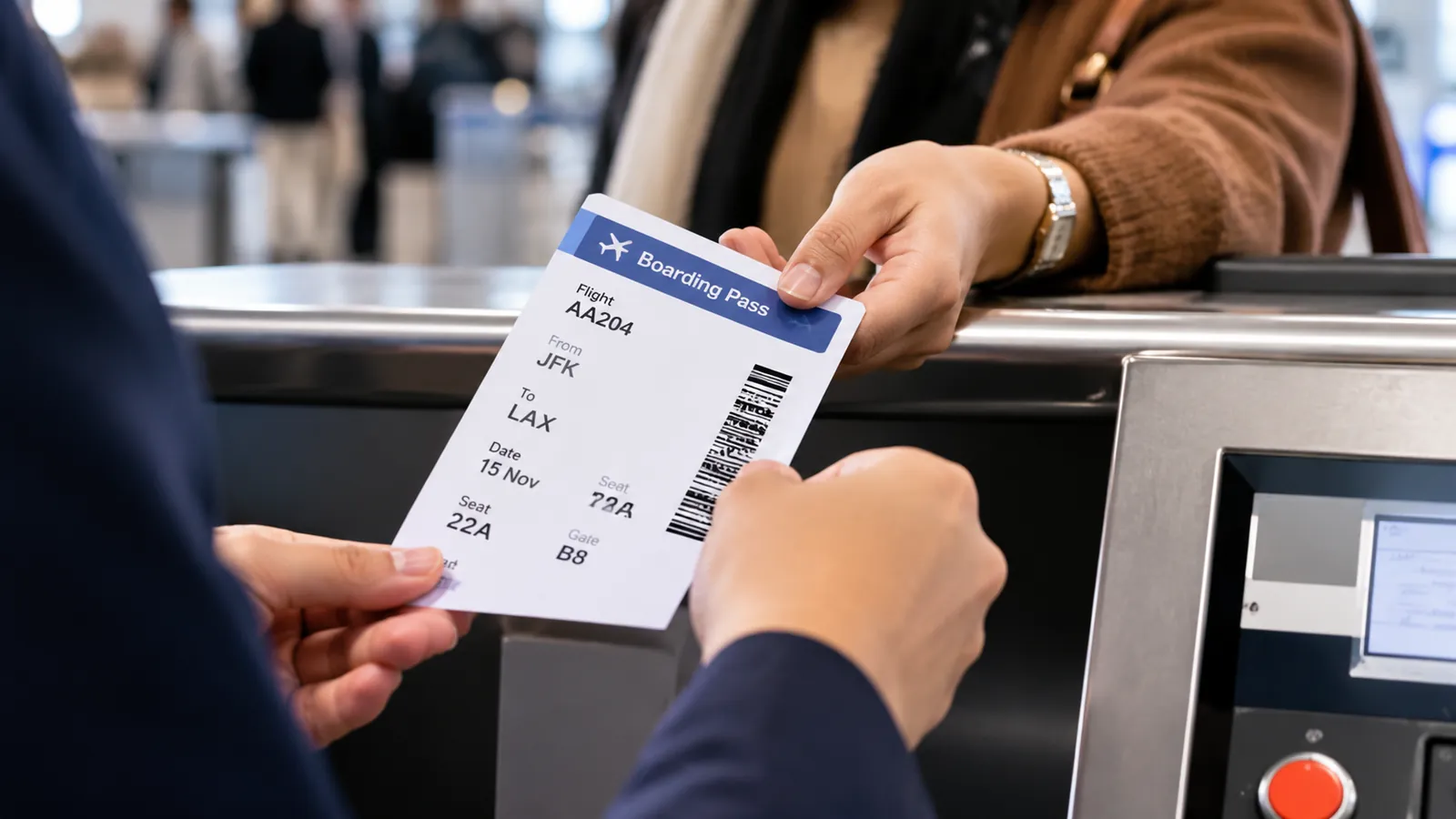
The headline airfare should be the beginning of your comparison, not the end.
Suppose Airline A advertises an economy ticket for $420 while Airline B charges $480. Airline A initially looks cheaper.
But then you discover Airline A charges separately for a checked bag and seat selection, while both are included with Airline B's fare.
The price difference may shrink considerably.
When comparing economy fares, calculate the amount you would actually pay for the services you need.
That can include baggage, seats, meals, payment charges where applicable, and other optional services.
Compare Like With Like
The fairest comparison looks something like this:
| Factor | Airline A | Airline B | Airline C |
|---|---|---|---|
| Base fare | $420 | $480 | $455 |
| Checked bag | Extra | Included | Included |
| Seat selection | Extra | Included on selected fares | Extra |
| Meal | Extra | Included | Included |
| Change conditions | Restrictive | More flexible | Restrictive |
| Total for your needs | Calculate | Calculate | Calculate |
These figures are illustrative.
The important point is to compare the final trip cost, not just the first price displayed.
Understand the Economy Fare You Are Buying
"Economy class" can describe several different fare products.
An airline may sell:
Basic Economy.
Light Economy.
Standard Economy.
Classic Economy.
Flex Economy.
The names vary, but the principle is similar.
The cheapest economy fare may exclude services that another economy ticket includes.
Before comparing airlines, determine exactly what each fare provides.
Check baggage allowance, seat selection, change conditions, cancellation rules, mileage earning, boarding conditions, and upgrade eligibility where relevant.
Otherwise, you could accidentally compare one airline's basic fare with another airline's standard economy fare.
Check Economy Seat Comfort
Seat comfort becomes increasingly important as flight duration increases.
For a one hour flight, a modest difference in seating may not matter much.
For a ten hour overnight flight, it can.
When comparing economy cabins, investigate:
Seat pitch: This gives an indication of the space between rows, although it does not directly equal usable legroom.
Seat width: Wider seats can feel more comfortable, especially on long flights.
Recline: Airlines and aircraft configurations differ.
Seats per row: The cabin arrangement determines how many passengers share each row.
Seat design: Newer slimline seats can feel different from older, more heavily padded designs.
Do not compare airlines based only on their general reputation. Seat specifications can vary by aircraft.
Check the Aircraft and Cabin Configuration
An airline may operate several aircraft types on the same route.
Even the same aircraft model can have different configurations.
Before booking, expand the flight details and identify the scheduled aircraft. Then check the seat map for that particular service.
For example, one itinerary might use a widebody aircraft while another uses a narrowbody.
Neither is automatically better.
What matters is how the airline has configured the aircraft and which seats remain available.
Remember that aircraft assignments can change before departure, so treat the displayed equipment as scheduled rather than guaranteed.
Compare Nonstop and Connecting Flights
A good economy experience is not only about what happens onboard.
The itinerary matters just as much.
Suppose Airline A offers a comfortable economy cabin but requires a six hour connection.
Airline B offers a slightly less attractive seat but flies nonstop.
For many travelers, eliminating the connection could outweigh the cabin difference.
Compare:
Total travel time.
Number of stops.
Connection duration.
Airport changes.
Arrival time.
Departure time.
Risk of disruption.
A nonstop flight can be particularly valuable on shorter trips because it preserves more time at your destination.
Look Closely at Baggage Allowance
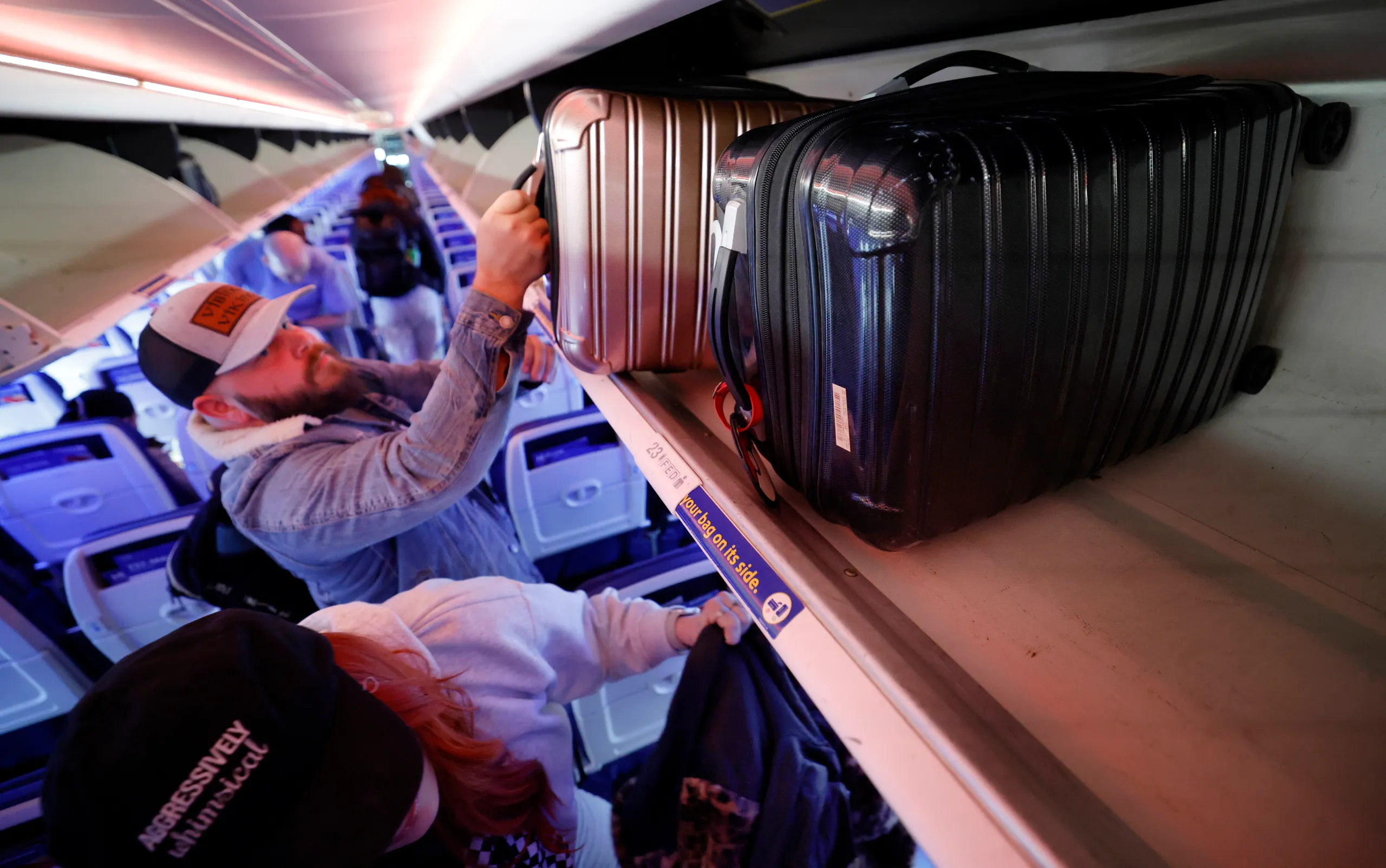
Baggage is one of the biggest sources of unexpected airfare costs.
Before choosing an economy airline, check both cabin and checked baggage.
For cabin baggage, review:
Size limit.
Weight limit.
Number of items.
Personal item allowance.
For checked baggage, check:
Number of bags.
Weight allowance.
Size restrictions.
Additional bag cost.
Overweight charges.
Do not assume that every full service airline includes checked baggage with every economy fare. Likewise, do not assume every low cost airline excludes it.
The specific fare determines what you receive.
Compare Seat Selection Policies
If sitting in a particular location matters to you, seat selection should be part of your price comparison.
Some economy fares include advance seat selection. Others charge for virtually every seat assignment.
You may also encounter separate fees for:
Window seats.
Aisle seats.
Preferred rows.
Front cabin seats.
Extra legroom seats.
Exit rows.
Families and groups should pay particular attention to seat policies if sitting together is important.
Rather than comparing only ticket prices, calculate what your preferred seats would cost on each airline.
Check Meals and Drinks

Meal service varies considerably depending on airline, route, flight duration, and fare.
On some long haul economy flights, meals and nonalcoholic drinks may be included.
On other flights, food may be available for purchase.
Short haul services may offer only limited refreshments or none at all.
Ask yourself how much this matters.
For a 90 minute flight, meal service probably should not determine your airline choice.
For a long overnight journey, included meals and drinks can make the trip more convenient.
Check what your exact flight provides rather than relying on the airline's general service reputation.
Compare Entertainment Options
Entertainment becomes much more relevant on longer journeys.
Check whether the flight offers:
Seatback entertainment.
Movies and television programs.
Music.
USB charging.
Power outlets.
WiFi.
Streaming entertainment to your own device.
Do not assume every aircraft operated by an airline has identical equipment.
An airline may have seatback screens on its long haul widebody fleet while using device based entertainment on shorter routes.
Research the aircraft scheduled for your specific flight.
Compare WiFi Based on Your Needs
WiFi can be valuable if you want to work, message family, or stay connected during a long journey.
However, availability, pricing, and capabilities can differ by aircraft.
Ask practical questions rather than simply checking whether an airline advertises WiFi.
Is it available on your scheduled aircraft?
Is messaging included or charged?
Does the airline offer full internet access?
Is the service designed primarily for basic browsing?
If connectivity is essential for work, remember that onboard internet can still experience interruptions.
Examine Change and Cancellation Conditions
The cheapest economy ticket can become expensive if your plans change.
Before booking, check:
Whether changes are permitted.
Whether a change fee applies.
Whether you must pay a fare difference.
Whether cancellations are allowed.
Whether refunds are cash or travel credit.
Whether a no show affects the ticket.
Do not confuse "no change fee" with "free changes."
Even if the airline does not charge a separate change fee, you may still need to pay the difference between your original fare and the new fare.
Check Schedule Convenience
Departure and arrival times deserve more attention than they usually receive.
A cheap 6 a.m. flight might require leaving your hotel at 2:30 a.m.
A midnight arrival could create additional transportation or accommodation complications.
Compare the complete schedule, including:
Airport arrival time.
Ground transportation.
Hotel check in or checkout.
Public transportation availability.
Traffic.
Sleep disruption.
Connections.
A slightly more expensive flight at a convenient time can sometimes produce a better overall trip.
Consider Which Airport the Airline Uses
When a city has multiple airports, the cheapest airline may use the least convenient one for your trip.
Before booking, calculate how you will travel between the airport and your accommodation.
Consider:
Distance.
Travel time.
Train availability.
Bus service.
Taxi or rideshare cost.
Late night transportation.
An airfare saving can disappear quickly if the airport requires expensive ground transportation.
Compare Economy Class for Long Haul Flights Differently
For long haul travel, prioritize comfort more heavily.
A useful long haul comparison might look like this:
| Factor | Importance on Long Haul |
|---|---|
| Seat comfort | High |
| Nonstop routing | High |
| Schedule | High |
| Baggage | High |
| Meals | Moderate to high |
| Entertainment | Moderate to high |
| Power | Moderate |
| WiFi | Depends on traveler |
| Flexibility | Depends on trip |
| Loyalty benefits | Depends on traveler |
The longer you remain onboard, the more small differences can matter.
A better seat or shorter itinerary may justify paying somewhat more.
Compare Short Haul Economy Differently
On short flights, priorities often shift.
If you are flying for 60 to 90 minutes, paying substantially more for a marginally better seat may provide little value.
You may prefer to prioritize:
Price.
Schedule.
Airport location.
Nonstop routing.
Baggage.
Reliability.
Flexibility.
A basic onboard product can be perfectly reasonable when you spend very little time in the air.
Match your comparison method to the length and purpose of the journey.
Check Connection Quality
If you cannot fly nonstop, examine the connection itself.
A good economy airline itinerary should give you enough time to transfer without creating an unnecessarily long journey.
Check:
Connection airport.
Terminal changes.
Immigration requirements.
Security procedures.
Baggage procedures.
Connection duration.
Whether flights are on the same ticket.
Avoid judging the airline only by its seat or service.
A comfortable economy cabin cannot compensate for a badly planned connection that creates unnecessary stress.
Consider Airline Reliability
Reliability matters because a cheap ticket loses some appeal when disruption creates major inconvenience.
When evaluating your options, consider the operational characteristics of the actual route and itinerary rather than relying only on broad impressions about an airline.
Pay attention to factors such as how many alternative flights are available if disruption occurs.
An airline operating several flights per day on your route may provide more practical recovery possibilities than one operating only a few services per week, although rebooking always depends on circumstances and availability.
Compare Customer Support and Disruption Handling
Customer service becomes most important when something goes wrong.
Consider how easily you can manage the booking.
Does the airline provide straightforward online options for:
Changing flights?
Selecting seats?
Adding baggage?
Checking in?
Viewing schedule changes?
Managing refunds or credits?
Digital self service can be particularly useful during disruptions when telephone lines and airport counters become busy.
If you book through a third party, also understand whether certain ticket changes need to be handled through that seller.
Consider Frequent Flyer Benefits
If you regularly fly with one airline or alliance, loyalty benefits can influence your decision.
Depending on your status and ticket, benefits might include additional baggage, preferred seating, priority services, lounge eligibility, or mileage earning.
However, loyalty should not automatically override a significantly better itinerary elsewhere.
Compare the actual value of the benefits against price, schedule, and convenience.
Occasional travelers may find that loyalty programs deserve relatively little weight.
Do Not Choose an Airline Based Only on Reviews
Passenger reviews can provide useful context, but individual experiences vary enormously.
One traveler may rate an airline poorly because of a delayed flight. Another may give it a perfect rating because a crew member was particularly helpful.
Instead of relying on a single review score, focus on measurable details about your specific flight:
Fare inclusions.
Aircraft.
Seat configuration.
Baggage.
Schedule.
Connections.
Change conditions.
Those factors are more directly relevant to your booking.
Use a Practical Economy Airline Comparison
Before paying, create a simple comparison:
| Category | Airline A | Airline B | Airline C |
|---|---|---|---|
| Total trip price | Check | Check | Check |
| Checked baggage | Check | Check | Check |
| Seat selection | Check | Check | Check |
| Aircraft | Check | Check | Check |
| Seat layout | Check | Check | Check |
| Nonstop | Check | Check | Check |
| Total travel time | Check | Check | Check |
| Meals | Check | Check | Check |
| Entertainment | Check | Check | Check |
| Change rules | Check | Check | Check |
| Airport convenience | Check | Check | Check |
This prevents one attractive feature, such as a low headline fare, from dominating the entire decision.
Common Mistakes When Choosing an Economy Airline
The biggest mistake is selecting the lowest advertised fare without calculating extras.
Another is comparing airlines instead of comparing the specific flights and fares being considered.
Travelers also frequently overlook aircraft configuration, inconvenient airports, baggage restrictions, and fare flexibility.
On long haul trips, choosing solely by price can mean accepting many hours in a cabin configuration you dislike.
At the same time, do not overpay simply because one airline has a stronger reputation. The actual flight, aircraft, schedule, and fare conditions matter more than the logo alone.
Frequently Asked Questions
Which airline has the best economy class?
There is no universal answer. Economy products vary by aircraft, route, fare, and individual priorities. Compare the specific flights available for your trip.
Is full service economy always better than low cost economy?
No. A low cost airline can provide excellent value when you need few extras, while a full service fare may be better when baggage, meals, connections, or flexibility are important.
What should I compare first?
Start with total price, schedule, nonstop versus connecting routing, baggage, and fare conditions. Then compare seats and onboard services.
Does aircraft type matter in economy?
Yes, particularly on long haul flights, but the airline's actual cabin configuration is more useful than the aircraft model alone.
Should I pay more for a nonstop flight?
It can be worthwhile when the nonstop option substantially reduces travel time or avoids a difficult connection. Whether the additional cost makes sense depends on your trip.
Are economy meals always included on international flights?
No. Meal policies depend on the airline, route, flight duration, and fare. Check your specific flight.
Is the cheapest economy ticket usually the best value?
Not necessarily. Once baggage, seat selection, meals, airport transportation, and flexibility are considered, another fare may offer better overall value.
Final Thoughts
Choosing the best economy class airline is not about finding one carrier that is universally superior to every other airline.
It is about finding the best economy flight for your specific journey.
Start with the total price rather than the headline fare. Compare baggage, seat selection, schedule, airports, connections, and ticket flexibility. For longer journeys, look more closely at aircraft configuration, seat comfort, entertainment, meals, and power availability.
Most importantly, compare actual flights instead of airline reputations alone.
An airline with an excellent long haul product may offer an inconvenient connection for your route, while a simpler carrier could provide a well timed nonstop flight at a better total price.
When you evaluate cost, comfort, convenience, and flexibility together, you can choose an economy class airline that fits the way you actually travel rather than simply buying whichever ticket appears cheapest first.
Some links on this page are affiliate links. If you book through one we may earn a commission, at no extra cost to you. It never affects our ratings, our rankings, or the price you pay.