How to Understand Codeshare Flight Numbers: A Complete Guide for Travelers
You book a flight with one airline, receive a flight number carrying that airline's code, and then notice a small line saying "Operated by" another carrier.
You book a flight with one airline, receive a flight number carrying that airline's code, and then notice a small line saying "Operated by" another carrier. At the airport, the departure board may even display several different flight numbers for what appears to be exactly the same flight.
This is usually a codeshare flight.
Codeshares are extremely common, particularly on international itineraries. They allow airlines to sell seats on flights physically operated by partner carriers. For passengers, they can make it easier to book connecting journeys, but the different airline names and flight numbers can also create confusion.
Understanding codeshare flight numbers helps you identify which airline actually operates your aircraft, where to check in, what flight to look for on airport screens, and what type of onboard experience to expect.
Here is how codeshare flight numbers work and how to read them correctly.
What Is a Codeshare Flight?
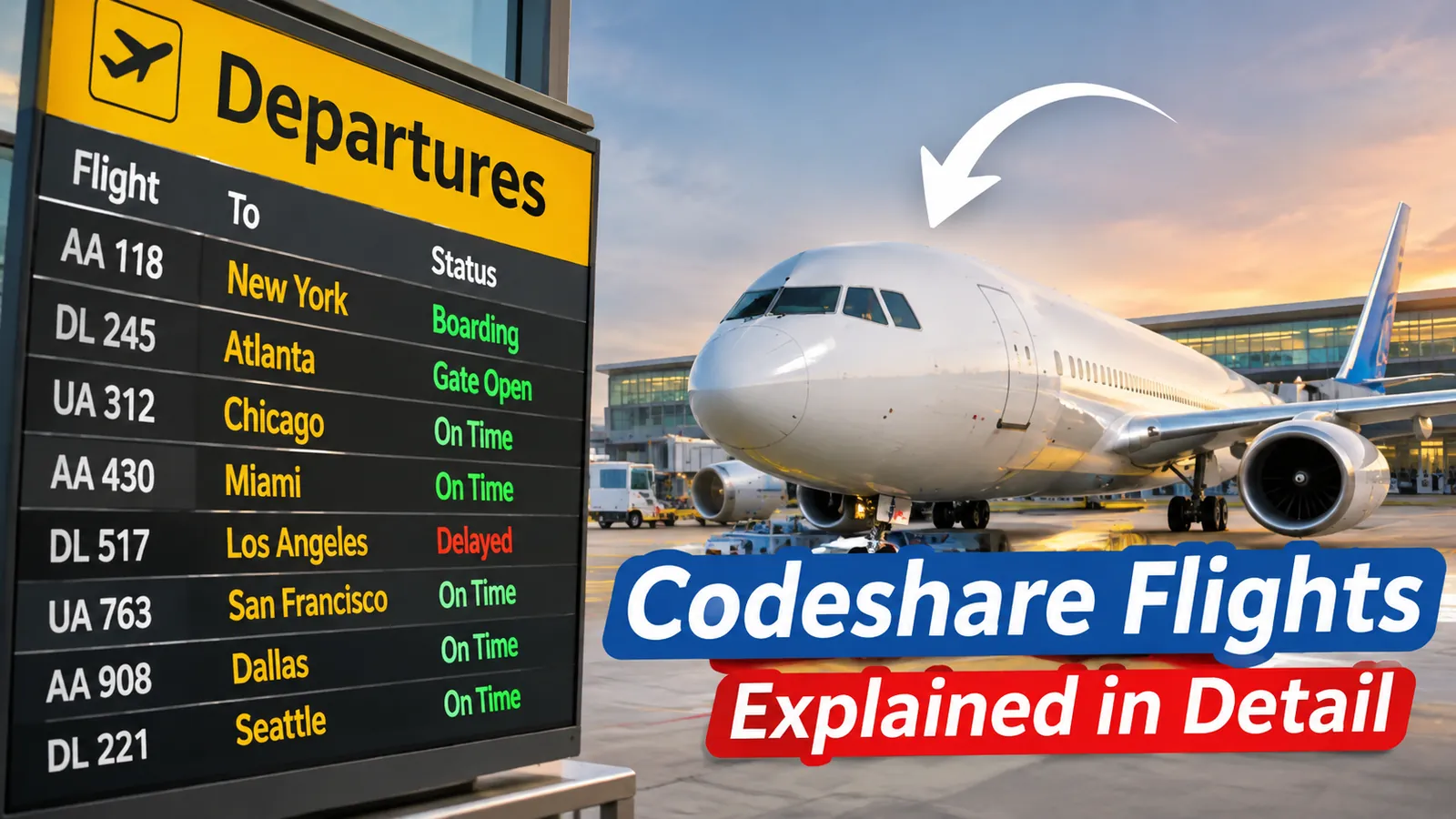
A codeshare is a commercial arrangement where one airline operates a flight while another airline can market seats on that same physical flight using its own airline code and flight number.
Imagine Airline A physically operates a flight between City X and City Y.
Its flight might be:
AA 250
A partner airline could sell seats on the same aircraft as:
BB 4250
There are not two aircraft departing at the same time. AA 250 and BB 4250 can represent the same physical flight.
Airline A is the operating carrier.
Airline B is a marketing carrier for its codeshare passengers.
Why Can One Flight Have Multiple Flight Numbers?
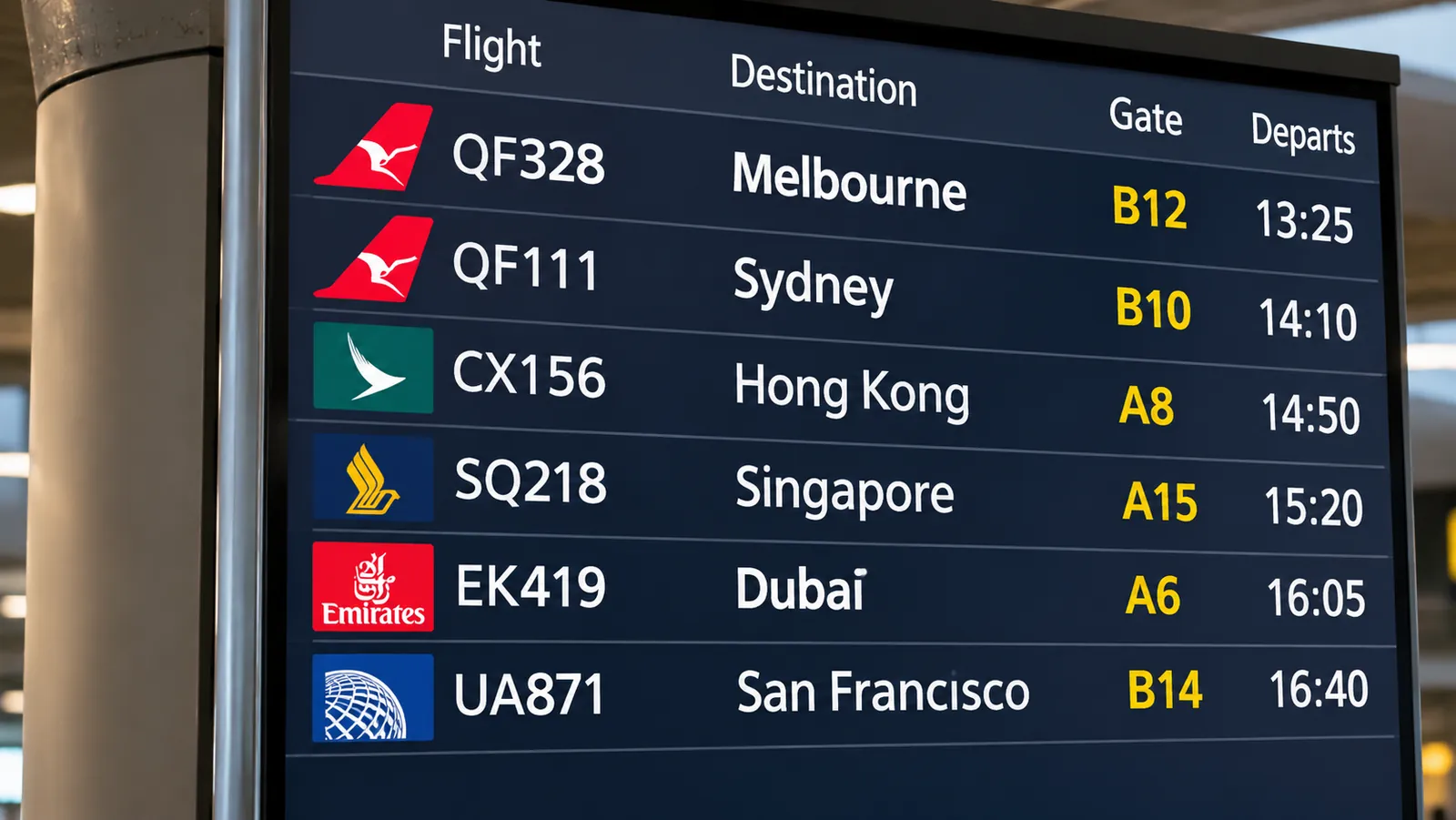
Airlines use codeshares to expand the networks they can sell to customers.
Suppose Airline B flies from your home city to a major hub but does not operate aircraft from that hub to your final destination.
Instead of ending its offering at the hub, Airline B can cooperate with Airline A.
Your itinerary might appear as:
| Flight 1: Airline B operated flightFlight 2: Airline B flight number, operated by Airline A |
|---|
This allows Airline B to market a larger network without physically flying every route.
Because several airlines can potentially market the same physical service, one departure can appear under multiple flight numbers.
Understanding the Airline Code
Most flight numbers begin with an airline designator followed by numbers.
For example:
AB 123
"AB" represents the airline marketing that particular flight number.
"123" identifies the flight within that carrier's numbering system.
Now suppose your booking says:
AB 123
Operated by XYZ Airlines
The AB code does not mean AB Airlines is providing the aircraft.
It means the flight has been marketed to you under AB's code.
The "operated by" statement tells you who physically runs the flight.
Marketing Carrier vs Operating Carrier
This distinction is the key to understanding codeshares.
| Feature | Marketing Carrier | Operating Carrier |
|---|---|---|
| Sells flight under its code | Yes | May also |
| Flight number on your booking | Usually | May have another number |
| Physically operates aircraft | Not necessarily | Yes |
| Provides flight crew | Not necessarily | Generally yes |
| Determines physical cabin | No | Generally yes |
| Provides onboard service | Not necessarily | Generally yes |
| May sell your ticket | Yes | Possibly |
Sometimes the marketing and operating carriers are the same airline.
Codeshares become relevant when they are different.
How to Read a Codeshare on Your Itinerary
Suppose your confirmation displays:
| XY 4820 | London to Madrid |
|---|---|
| 10:00 a.m. to 12:30 p.m. | Operated by ZQ Airlines |
Here is what this tells you.
XY is the airline code under which your flight was marketed.
4820 is the marketing flight number shown on your reservation.
ZQ Airlines physically operates the flight.
ZQ may also have its own flight number for exactly the same departure.
Therefore, another passenger sitting beside you could hold a ticket displaying a different flight number even though you are both boarding the same aircraft.
Why Codeshare Flight Numbers Can Look Unusual
You may notice that partner marketed codeshare flights sometimes use different number ranges from an airline's own operated flights.
A carrier might market a partner operated service with a relatively high flight number, for example.
This can sometimes be a clue that you should inspect the operating details.
However, do not try to identify codeshares solely from the number.
Airlines use their own numbering systems, and those systems can change.
The reliable method is to look for the operating carrier disclosure rather than guessing from whether a flight number looks unusual.
Step 1: Expand the Flight Details Before Booking
When searching for airfare, do not rely solely on the first line of the result.
Expand the complete flight information.
Look for:
Operated by [airline name]
If the airline shown after "operated by" differs from the airline displayed with the flight number, you are likely looking at a partner operated service such as a codeshare.
Do this for every flight in a multi segment journey.
Your outbound journey could include one codeshare while the return flight is operated directly by the marketing airline.
Step 2: Check Every Segment Individually
A single ticket can contain several operating carriers.
For example:
| Segment | Marketing Carrier | Operating Carrier |
|---|---|---|
| Delhi → Hub | Airline A | Airline A |
| Hub → Europe | Airline A | Airline B |
| Europe → Final city | Airline A | Airline C |
All three flights might display Airline A marketing numbers.
Yet only the first aircraft is actually operated by Airline A.
This matters because the aircraft, seats, onboard service, check in arrangements, and other practical details can change between segments.
Never assume one airline operates your entire itinerary because its code appears throughout the booking.
Step 3: Compare the Operating Flight Number
In some cases, you can also identify the operating carrier's own flight number.
Suppose your reservation says:
AB 7650 operated by CD Airlines
Airport information may show that the physical flight operates as:
CD 320
AB 7650 and CD 320 can therefore refer to the same departure.
This is particularly useful when checking airport screens.
Departure boards may show your codeshare number, the operating flight number, or cycle between multiple associated numbers.
Knowing the operating carrier makes the flight easier to locate.
Step 4: Do Not Confuse Codeshares With Connections
A codeshare and a connecting flight are different concepts.
A connection means you change from one physical flight to another.
A codeshare means a flight is marketed by an airline that may differ from the airline operating it.
You can therefore have:
A nonstop codeshare flight.
A connecting itinerary with no codeshare.
A connecting itinerary containing one codeshare.
Several codeshare flights within one journey.
The concepts can overlap, but they do not mean the same thing.
Step 5: Do Not Confuse Codeshares With Separate Tickets
Codesharing also does not mean you have separate tickets.
In fact, codeshare flights are frequently included within through itineraries.
Suppose you purchase:
New York → London → Rome.
Your first segment could be operated by Airline A and your second by codeshare partner Airline B, while both form part of the same through ticket.
Conversely, simply booking two partner airlines does not automatically mean your independently purchased tickets become one connected ticket.
Always distinguish airline partnership from ticket structure.
Step 6: Know Which Airline Handles Check In
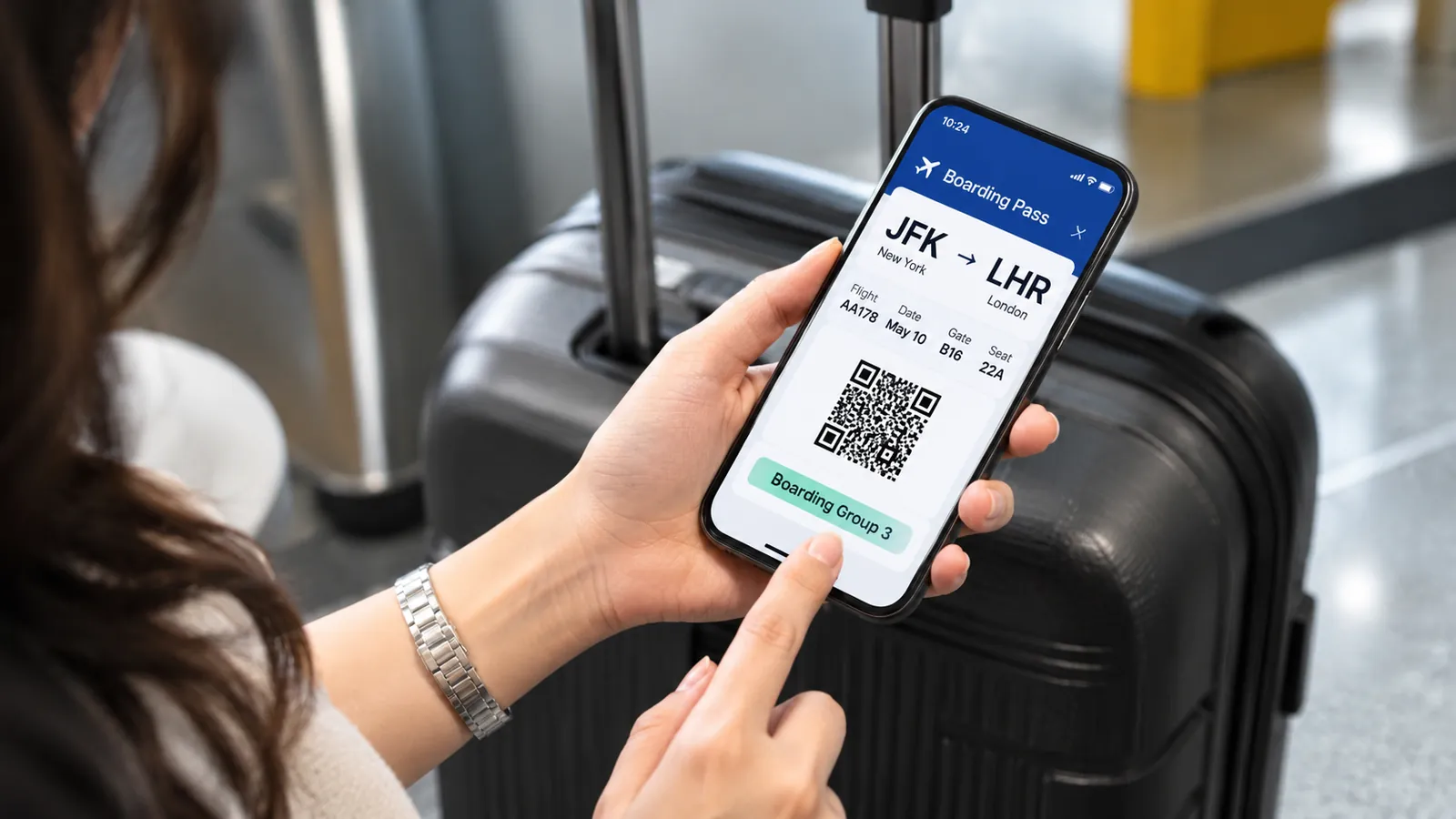
Codeshare passengers sometimes become confused when checking in because the airline that sold the ticket is not operating the first flight.
Suppose you purchased your journey from Airline A, but your first flight says:
Operated by Airline B
Your check in may be handled by Airline B.
Follow the instructions on your booking rather than automatically searching for the marketing carrier's counter.
The same principle applies online. You may be redirected to the operating airline's website or app to complete check in.
Step 7: Know Which Airline's Aircraft to Expect
The operating carrier generally determines the aircraft and physical cabin experience.
If your ticket says:
Airline A flight 4500 operated by Airline B
you should normally expect Airline B's aircraft and crew.
This can matter significantly on long haul routes.
Seat configuration, legroom, business class products, entertainment, WiFi, power outlets, meals, and cabin design can differ between airlines.
If comfort matters, research the operating carrier rather than relying solely on the airline logo displayed when you purchase the ticket.
Step 8: Understand Seat Selection on Codeshares
Seat selection can sometimes become more complicated on partner operated flights.
You may purchase the ticket from Airline A but find that its website cannot display the complete seat map for a flight operated by Airline B.
You might need the partner airline's booking reference to select your seat.
Seat fees can also differ from what you expect.
If a particular seat is important, check how seat selection works before purchasing the itinerary.
Do not assume that seat benefits from the marketing airline automatically transfer to every partner operated segment.
Step 9: Check Baggage Rules Carefully
Baggage on codeshare itineraries can be more complicated than simply following the operating airline's standard website allowance.
The applicable baggage allowance can depend on your ticket, route, marketing carrier, operating carrier, fare, and relevant baggage rules.
The safest approach is to check the baggage allowance specifically displayed on your ticket or booking.
For connecting journeys, also determine whether your checked luggage will be transferred to the final destination.
At airport check in, confirm the destination printed on your baggage tag.
Step 10: Understand Frequent Flyer Miles
Codeshare flight numbers can matter when earning frequent flyer miles.
Mileage earning may depend on the marketing carrier, operating carrier, booking class, fare, route, and frequent flyer program.
For example, two passengers on the same physical aircraft might have purchased the flight under different marketing codes.
Their mileage earning could potentially differ depending on the program rules and ticket conditions.
If earning status credits or miles is important, check eligibility based on the exact flight code and booking class before purchasing.
Step 11: Check Elite and Lounge Benefits
Do not assume every benefit from the marketing airline automatically applies to the operating carrier.
Priority check in, additional baggage, lounge access, priority boarding, and seat benefits can depend on the partnership, alliance, cabin, route, and frequent flyer status.
Two airlines being codeshare partners does not mean they behave as a single airline.
Check benefits individually when they influence your booking decision.
This is particularly important for premium cabin and elite status travelers.
Step 12: Read Airport Departure Boards Correctly
Codeshares can make airport screens look confusing.
You may see several entries with:
The same destination.
The same departure time.
The same gate.
Different flight numbers.
Usually, this does not mean several aircraft are departing simultaneously.
The board may be displaying codeshare numbers associated with one physical flight.
If you cannot immediately find the flight number printed on your booking, search using the destination, departure time, and operating airline.
Also verify the gate because gate assignments can change.
Step 13: Know Which Airline to Contact
Who should you contact when something goes wrong?
The answer can depend on the issue and when it occurs.
Questions about ticket changes, refunds, or fare conditions may involve the airline or agency that issued or sold the ticket.
Operational issues on travel day may involve the operating carrier.
Seat selection can sometimes require dealing with the operating airline.
Rather than assuming one carrier handles everything, check your booking instructions and determine who controls the specific issue you need resolved.
Codeshare vs Interline Flights
Travelers sometimes use "codeshare" and "interline" as though they mean the same thing.
They are related but different.
| Codeshare | Interline |
|---|---|
| Airline markets partner's operated flight under its own code | Airlines cooperate on aspects such as ticketing |
| Same physical flight can have multiple marketing numbers | Flights can retain their own airline numbers |
| "Operated by" wording is common | Codeshare marketing is not required |
| Focuses heavily on flight marketing | Focuses more on cooperation between journeys |
An airline relationship can involve both arrangements, but one does not automatically mean the other.
Codeshare Flight Number Checklist
Before booking, check these details:
| Question | Why It Matters |
|---|---|
| What flight number is displayed? | Identifies marketing code |
| Who operates the flight? | Identifies actual carrier |
| Does it say "operated by"? | Reveals partner operation |
| Who handles check in? | Prevents airport confusion |
| Which airline controls seats? | Helps with seat selection |
| What baggage allowance is shown? | Clarifies luggage entitlement |
| Which aircraft is scheduled? | Indicates likely cabin |
| Does my fare earn miles? | Important for loyalty benefits |
| Which terminal is used? | Helps plan departure |
| Are all segments codeshares? | Clarifies multi flight journeys |
Common Codeshare Mistakes
One of the biggest mistakes is assuming the airline code in your flight number identifies the airline operating the aircraft.
Travelers also assume that two different flight numbers always mean two different aircraft.
Another mistake is confusing a codeshare with a self transfer or separate ticket.
Codeshare passengers can also overlook seat selection differences, baggage conditions, or frequent flyer earning rules.
Finally, do not ignore the small "operated by" text during booking. It can tell you more about the physical flight experience than the large airline logo above it.
Frequently Asked Questions
Why does my flight have two different flight numbers?
It may be a codeshare. The operating airline can use its own flight number while a partner markets the same physical flight under another number.
Which flight number should I use at the airport?
Start with the number on your booking, but also know the operating carrier. Airport screens may display the operating number and associated codeshare numbers.
Which airline's plane will I fly on?
Generally, the airline listed as the operating carrier provides the aircraft and crew.
Is a codeshare flight a connecting flight?
Not necessarily. A codeshare can be nonstop or part of a connecting itinerary.
Does codeshare mean separate tickets?
No. Codeshare flights are often included within through tickets.
Which airline do I check in with?
Follow your booking instructions. When another carrier operates your first flight, check in may be handled by that operating airline.
Are codeshare flights safe?
Codesharing is a commercial arrangement about how flights are marketed. The physical flight is operated by the carrier identified in your itinerary as the operating airline.
Final Thoughts
Codeshare flight numbers become much easier to understand once you separate two ideas: who markets the flight and who actually operates it.
The airline code attached to your flight number usually identifies the marketing carrier. If your itinerary then says "operated by" another airline, that second carrier is the one physically operating the aircraft.
One physical departure can therefore appear under several flight numbers.
Before booking, check the operating carrier for every segment. That information can help you understand which aircraft and cabin to expect, where to check in, how seat selection may work, and which airline information to follow at the airport.
Do not confuse codeshares with connections, separate tickets, or self transfers. They describe different parts of how air travel is sold and operated.
Once you know how to read the marketing flight number, operating carrier, and "operated by" disclosure, codeshare itineraries stop looking complicated and become much easier to manage.
Some links on this page are affiliate links. If you book through one we may earn a commission, at no extra cost to you. It never affects our ratings, our rankings, or the price you pay.