What Are Airline Carrier Charges?
Airline carrier charges are amounts imposed by the airline itself, usually as part of the ticket price, rather than taxes collected for a government or airport.
You find a flight at an attractive price, open the fare breakdown, and notice a sizeable amount labelled “carrier charges.” Airline carrier charges are amounts imposed by the airline itself, usually as part of the ticket price, rather than taxes collected for a government or airport.
These charges can appear on ordinary paid tickets and flights booked with points or miles. Understanding them helps you compare fares properly, judge whether a reward booking offers value, and know which questions to ask before cancelling.
The most important distinction is simple: a carrier surcharge, an airport fee, and a baggage charge may all increase your travel bill, but they serve different purposes.
What Does “Carrier Charges” Mean on an Airline Ticket?
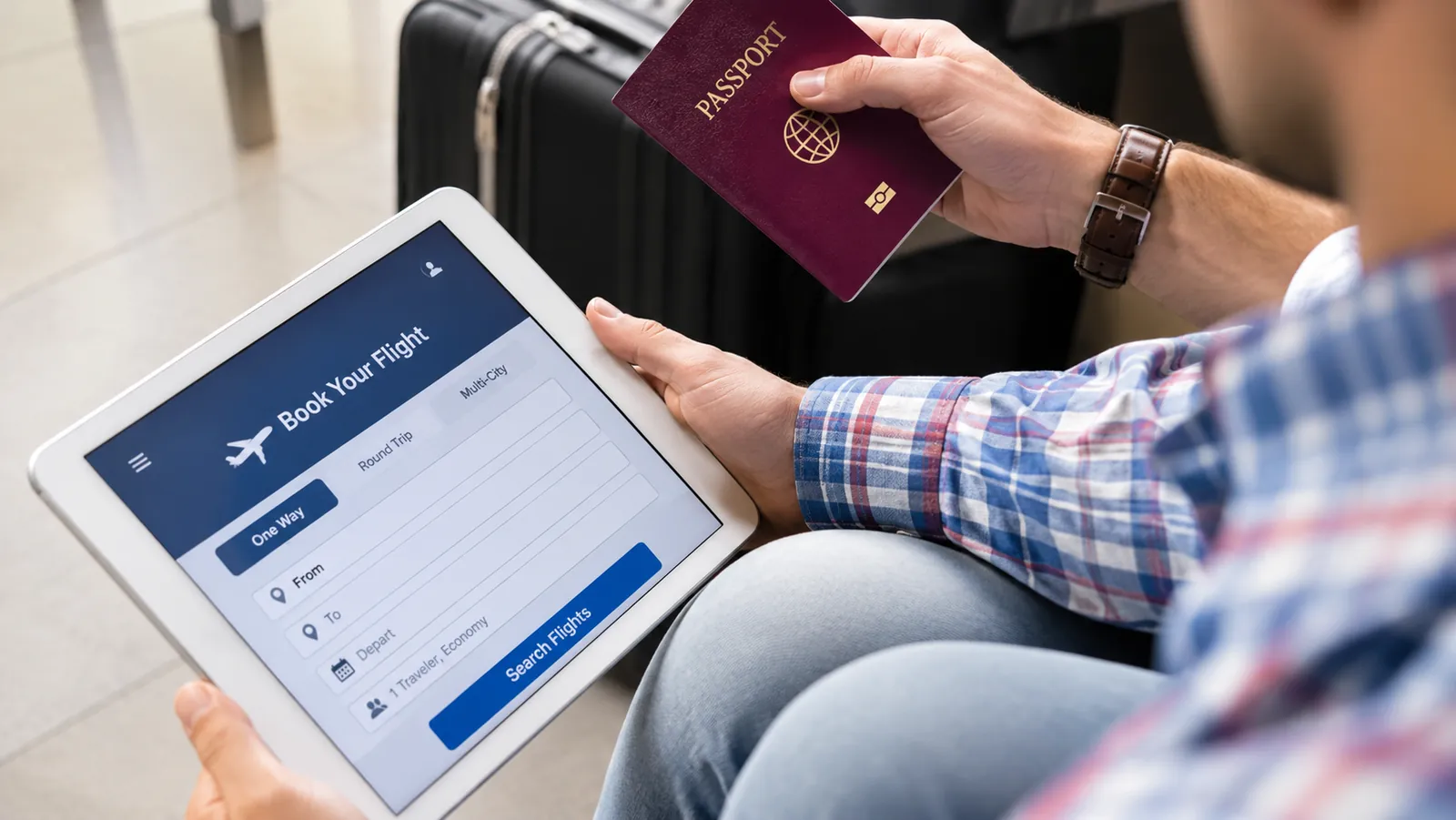
An airline is also called a carrier, so “carrier imposed charges” means charges set by the airline. In a ticket breakdown, the term usually refers to a surcharge listed separately from the base fare.
You might see descriptions such as:
Carrier imposed surcharge
Airline surcharge
Fuel surcharge
International surcharge
Although the labels differ, the key question is who imposes the charge. If the airline sets it, it should not be mistaken for a government tax simply because it appears beside taxes on your receipt.
The term can also be used more broadly to describe airline fees. However, when travellers ask about a large “carrier charge” in a fare breakdown, they usually mean the surcharge attached to the ticket rather than optional extras.
Does the Charge Buy You Anything Extra?
Usually, no. A carrier surcharge does not automatically provide checked baggage, advance seat selection, lounge access, or a better seat.
Those benefits depend on your cabin, fare package, membership status, and purchased extras. Think of the surcharge as a component of the ticket price, rather than a separate travel benefit.
How Carrier Charges Differ From Other Flight Costs

A flight booking can contain several price components. Separating them makes it easier to understand what you must pay and what you can avoid.
| Price component | Who sets or imposes it? | What it represents | Can you usually avoid it? |
|---|---|---|---|
| Base fare | Airline | Core fare for the journey | Only by choosing another fare or booking |
| Carrier surcharge | Airline | Additional airline imposed ticket charge | Usually not within the selected fare |
| Government tax | Government or public authority | Applicable passenger, travel, or other taxes | Generally not when applicable |
| Airport charge | Airport operator or relevant authority | Applicable airport or passenger service costs | May differ with the itinerary |
| Checked baggage fee | Airline | Baggage outside the included allowance | Often, by travelling within the allowance |
| Seat selection fee | Airline | Choosing certain seats in advance | Often, by accepting included or assigned seating |
| Agency service fee | Travel seller | Booking or servicing the reservation | Sometimes, by using another seller |
A combined “taxes, fees and charges” total does not mean every item is a tax. Open the detailed breakdown before deciding what the amount represents.
Refund treatment can differ between these categories, too. An unused government tax and an airline surcharge do not automatically follow the same refund rules.
Why Do Airlines Add Carrier Surcharges?
Carrier surcharges allow airlines to price part of the journey separately from the published base fare. Historically, fuel surcharges were associated with changes in aviation fuel costs.
Today, a surcharge should not be treated as a precise calculation of the fuel consumed by your seat. Airlines set their prices commercially, and the relationship between a surcharge and operating costs may not be transparent.
Fuel Prices Are Only Part of the Picture
Airlines face expenses including fuel, staffing, aircraft maintenance, leasing, insurance, and airport operations. These costs influence overall pricing, but the surcharge shown on your booking does not explain how much goes toward each expense.
A charge described as a fuel surcharge also does not necessarily fall immediately when oil prices decline. There is no universal formula linking your surcharge to that day’s fuel price.
A Low Base Fare Can Still Produce an Expensive Ticket
Separating the fare into components can make the base fare look relatively small. However, the amount you actually pay includes applicable mandatory charges.
For comparison purposes, a flight with a low base fare and a large surcharge can cost more than one with a higher base fare and a smaller surcharge. The total matters more than the way the airline divides it.
What Are YQ and YR Charges?
YQ and YR are codes commonly associated with carrier imposed surcharges in airline ticketing systems. They may appear on an electronic ticket receipt or an itemised fare quotation.
These codes can be displayed in the same section as tax codes, which creates confusion. Their placement does not make the underlying charge a government tax.
If your receipt shows an unexplained YQ or YR amount, ask the airline or ticket seller to identify it. A useful question is: “Is this an airline imposed surcharge, and what refund conditions apply?”
Do not assume every airline uses identical descriptions or displays. The plain language explanation and applicable fare conditions are more useful than the code alone.
How Much Are Airline Carrier Charges?
There is no standard carrier charge that applies to every airline or flight. The amount can vary by route, cabin, market, itinerary, and booking programme.
Some bookings have little or no separately identified carrier surcharge. Others include a substantial amount, particularly on certain international journeys and reward tickets.
Example of a Ticket Price Breakdown
The following figures are illustrative, not a quotation from an airline:
| Ticket component | Example amount |
|---|---|
| Base fare | $420 |
| Carrier imposed surcharge | $180 |
| Government and airport charges | $95 |
| Total ticket price | $695 |
| Optional checked bag | $45 |
| Total with that bag | $740 |
The carrier surcharge is already included in the $695 ticket total. Adding it again would incorrectly inflate your calculation.
The checked bag is different because it is an additional purchase in this example. When comparing another flight, include the baggage you actually need rather than assuming both tickets provide the same allowance.
Are Carrier Charges Included in the Displayed Fare?
A surcharge may be itemised separately while still being included in the displayed ticket total. A separate line on the receipt does not necessarily mean an extra payment is due.
Before paying, check whether the quoted amount is the complete ticket price, a base fare, a per person price, or a total for everyone travelling. Also confirm whether it covers one direction or the entire return journey.
Optional services can increase the checkout amount after you select them. Paid seats, additional baggage, insurance, and other extras should be assessed separately from the mandatory ticket components.
If the price rises unexpectedly, reopen the breakdown. Check for a changed flight selection, added services, a seller fee, or a different currency before assuming the carrier surcharge has increased.
Why Carrier Charges Matter on Reward Flights
A flight booked with points or miles is not necessarily free of cash costs. Depending on the loyalty programme and itinerary, you may still need to pay government taxes, airport charges, carrier surcharges, and booking fees.
The cash amount can make a significant difference to the value of a redemption. A lower mileage requirement does not automatically mean a better deal.
Compare Points and Cash Together
Imagine two hypothetical reward options:
Option A requires 50,000 miles plus $450.
Option B requires 65,000 miles plus $90.
Option B uses 15,000 additional miles but saves $360 in cash. Whether that is worthwhile depends on your points balance, alternative uses for those miles, and preference for keeping cash spending low.
Also compare the reward with a paid ticket you would realistically buy. Using miles while paying nearly the same cash amount as an acceptable paid fare may offer disappointing value.
The Booking Programme Can Affect the Cost
Partner programmes may apply different pricing and surcharge policies. Consequently, the same operating airline does not guarantee the same reward booking cost through every programme.
Compare the actual checkout amounts before transferring points. Transfers can be difficult or impossible to reverse, and finding an available seat does not guarantee an attractive cash contribution.
How to Check Carrier Charges Before Booking

A few minutes spent reviewing the fare can prevent an unpleasant surprise later.
Step 1: Select the Complete Journey
Enter the correct airports, dates, passenger numbers, and cabin. Compare complete itineraries rather than one flight segment against an entire return trip.
Connections can affect the overall price breakdown. Do not assume a connecting journey always has either higher or lower surcharges.
Step 2: Open the Detailed Price Breakdown
Look for “fare details,” “price breakdown,” or a similar option. Identify the base fare, carrier surcharge, government taxes, airport charges, and any seller fees.
If everything appears under one combined heading, request an itemised explanation. This is particularly helpful for expensive international or reward bookings.
Step 3: Add the Services You Need
Check baggage allowances, seat selection, and any necessary assistance or equipment arrangements. Include paid extras when calculating your realistic travel cost.
A ticket with a smaller surcharge is not automatically cheaper once essential baggage is added.
Step 4: Read Cancellation and Change Conditions
Check whether the fare and surcharge are refundable, whether cancellation deductions apply, and whether a refund would be cash or credit. Also review any conditions for partially used tickets.
Save the relevant terms with your booking confirmation. A receipt records what you paid, while the fare conditions explain what happens if plans change.
Step 5: Compare the Final Total
Compare at least two suitable options using the same currency and required services. For reward bookings, compare both the mileage requirement and cash payment.
Choose based on the complete package: price, schedule, baggage, flexibility, and connection risk.
Are Airline Carrier Charges Refundable?
Sometimes, but refundability depends on the ticket conditions and applicable passenger rights. Being listed separately does not guarantee that a carrier surcharge can be reclaimed.
When You Cancel Voluntarily
If you decide not to travel, the fare rules generally determine the refund treatment. A nonrefundable ticket may also have a nonrefundable carrier surcharge.
Some unused taxes or airport charges may be recoverable under the applicable rules. However, that does not establish an automatic right to recover every amount displayed beside them.
Ask for a breakdown showing the refundable components and any deductions. This is more useful than asking whether “the taxes” are refundable.
When the Airline Cancels
An airline cancellation can trigger different refund rights from a voluntary cancellation. Depending on the circumstances and applicable rules, a refund may include the carrier surcharge associated with the unused journey.
Check the available remedies before accepting a voucher or cancelling the booking yourself. The reason for the refund request can affect how it is handled.
When Part of the Ticket Has Been Used
A partially used ticket may need to be recalculated under its fare conditions. The unused portion is not necessarily worth half the original price.
Request the calculation in writing, especially when the booking contains several flights or different airlines.
Practical Tips to Reduce Your Total Flight Cost
You usually cannot remove a mandatory surcharge from the specific fare you have selected. The practical approach is to compare alternative bookings.
Compare total prices: A smaller surcharge can accompany a higher base fare.
Check alternative dates: Another departure may offer a better overall fare.
Review reward partners: Different programmes may produce different cash requirements.
Include airport access costs: A cheaper departure airport may require expensive ground transport.
Check promotion terms: A discount may apply only to the base fare.
One useful habit is to take a screenshot of the final breakdown before purchasing. It provides a clear record if you later need an explanation from the seller.
Avoid booking a complicated itinerary solely to reduce a surcharge. Extra connections, separate tickets, and inconvenient airports can consume the savings through transport, accommodation, or missed connection costs.
Frequently Asked Questions
1. Are carrier charges the same as taxes?
No. Carrier charges are imposed by the airline, while government taxes are imposed by public authorities.
They may appear together in a booking summary, so check the itemised breakdown.
2. Do all airlines impose carrier surcharges?
Not every airline or itinerary has a separately identified carrier surcharge. Pricing structures vary, and an airline can include its operating costs within the fare.
Compare the total rather than treating the absence of a surcharge as proof of a cheaper ticket.
3. Can I refuse to pay a carrier charge?
Generally, you cannot opt out of a mandatory surcharge attached to your selected ticket. You can choose another airline, itinerary, or booking option before purchasing.
Optional services, such as certain paid seats, are a different category.
4. Why am I paying carrier charges when using miles?
Some loyalty programmes pass carrier surcharges through to reward passengers. Miles may cover the reward fare while leaving a cash contribution payable.
Review that contribution before transferring points or confirming the reservation.
5. Does a fuel surcharge fall when fuel prices fall?
Not necessarily. Airlines determine their surcharge policies, and changes may not track fuel prices directly or immediately.
Judge the available total price rather than expecting a particular adjustment.
6. Does paying a carrier surcharge include baggage?
No. The surcharge itself does not establish a baggage allowance.
Check the baggage conditions for your specific fare and each relevant flight.
7. Should I contact the airline or travel agent about these charges?
Start with the seller that issued your ticket, particularly for refund calculations or booking changes. The airline can explain its surcharge, but an agency booking may need to be serviced through that agency.
Keep your ticket receipt and fare conditions available.
Final Verdict
Airline carrier charges are airline imposed components of the ticket price. They are distinct from government taxes, airport charges, and optional services, even when the booking summary groups them together.
Compare the complete price, check the cash cost of reward flights, and read the refund conditions before paying. Those three habits make the fare easier to understand and help you choose a booking that offers better value.
Some links on this page are affiliate links. If you book through one we may earn a commission, at no extra cost to you. It never affects our ratings, our rankings, or the price you pay.