What Happens If Your Card Is Declined by a Hotel?
What happens if your card is declined by a hotel? The hotel will usually ask you to resolve the payment problem or provide another accepted payment method.
What happens if your card is declined by a hotel? The hotel will usually ask you to resolve the payment problem or provide another accepted payment method. Depending on when the decline happens, your reservation could be at risk, your check in could be delayed, or your checkout bill could remain unpaid.
A declined card does not automatically mean you have run out of money. An authorization hold, security block, expired card, or payment processing problem can stop a transaction even when you believe you have enough available funds.
The most useful first step is to ask what amount the hotel attempted and whether it was a payment or a temporary hold. That distinction helps you solve the right problem without making unnecessary payments or booking another room too quickly.
What a Declined Hotel Card Actually Means

A decline means the hotel could not complete a particular payment or authorization request. It does not necessarily mean every transaction on that card will fail.
There are also two different situations that guests often confuse: the bank declining a transaction and the hotel refusing a payment method. Your bank might approve ordinary purchases, while a property might not accept your prepaid card for its security deposit.
Ask the receptionist whether the terminal returned a decline or whether your card does not meet the hotel’s payment requirements. The solution depends on which happened.
A confirmed reservation and a successfully paid reservation are not always the same thing. Some bookings use a card as a guarantee, with payment collected later.
What Happens at Each Stage of Your Stay?
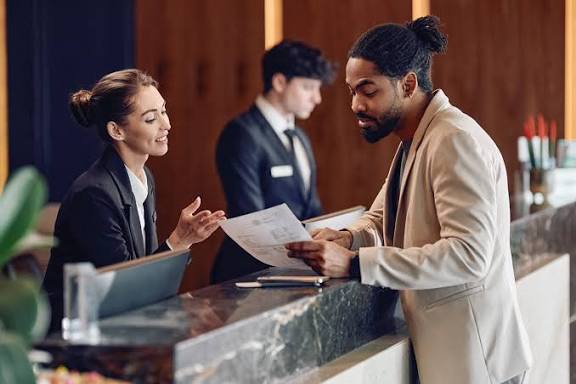
If Your Card Is Declined During Booking
For a booking requiring immediate payment, the reservation may not complete. Before trying again, check whether you received a confirmation number and whether the booking appears in your account.
Avoid assuming that a payment error means there is no reservation. A processing interruption can leave you uncertain about the booking status, so verify it before making another reservation.
For a reservation requiring a valid card guarantee, the hotel or booking platform may request updated details. Ignoring that request can put the booking at risk.
If Your Card Is Declined Before Arrival
Hotels may attempt to collect an advance payment, deposit, or scheduled charge before your arrival. If that attempt fails, you may receive a message asking you to update your card.
There is no universal deadline for fixing the problem. Follow the deadline in your reservation notice and contact the property if your arrival is approaching.
Booking.com’s documented processes allow properties to report invalid cards, request replacement details, and cancel eligible reservations under specified conditions. A payment warning therefore deserves prompt attention.
If Your Card Is Declined at Check In
The hotel may delay issuing your room key until it receives an acceptable payment guarantee. Staff might ask you to call your bank, use another card, or provide an alternative the property permits.
Even a prepaid room can require a separate card authorization for incidental expenses. Paying for the accommodation beforehand does not necessarily remove the hotel’s deposit requirements.
If you cannot satisfy those requirements, the property may refuse to complete check in. Whether cancellation charges or refunds apply depends on the booking terms and circumstances.
If Your Card Is Declined During Your Stay
A hotel may request an additional authorization when your bill increases, you extend your stay, or the original authorization no longer covers expected charges.
If that request fails, staff may contact you for another payment method. They may also restrict further room charges or decline to extend your stay until payment is arranged.
Address the issue when notified. Waiting until departure can make the problem harder to resolve.
If Your Card Is Declined at Checkout
The hotel will generally ask you to settle the balance using another accepted method. It may involve a manager if the problem cannot be resolved immediately.
Leaving does not erase an outstanding hotel bill. If you need time to arrange payment, discuss a specific solution with management and obtain written confirmation of any agreement.
Hotel Card Declines: Quick Summary Table
| When the decline happens | Possible consequence | Best immediate action |
|---|---|---|
| During an advance purchase booking | Reservation may not complete | Verify booking status before retrying |
| While validating a reservation guarantee | Request for updated card details | Supply a valid card through the approved channel |
| Before arrival when payment is due | Reservation may be at risk | Contact the hotel and meet the stated deadline |
| At check in for room charges | Room access may be delayed | Confirm the amount and contact your issuer |
| At check in for an incidental hold | Prepaid guests may still face a delay | Provide an accepted card with sufficient available funds |
| During a stay | Further spending or an extension may be restricted | Resolve the additional authorization request |
| At checkout | Final balance remains unpaid | Arrange another accepted payment method |
These are possible outcomes rather than a single policy followed by every hotel.
Why Do Hotels Decline Cards?
Insufficient Available Funds or Credit
The important figure is your available balance or available credit, not simply your account balance or total credit limit.
Pending transactions and existing authorization holds can reduce what is available. A card with enough capacity for the room price may still fail if the hotel requests additional security for incidentals.
The Authorization Is Larger Than Expected
Hotels may authorize room charges, taxes, applicable fees, and an incidental allowance together. Marriott’s digital entry terms, for example, describe a hold covering room and tax charges, applicable resort fees, and an amount for incidentals that varies by location.
For illustration, suppose your remaining accommodation bill is $600 and the property requires a $200 incidental hold. Your card may need $800 available for that request.
Those figures are only an example. Ask your hotel for its actual authorization amount.
A Security Block or Card Restriction
An unfamiliar location or unusually large transaction can trigger an issuer’s security checks. A locked card or disabled transaction setting can also prevent payment.
Check your banking app for alerts and contact the issuer through its official support channel. Hotel staff usually cannot resolve an issuer’s security restriction themselves.
Incorrect or Outdated Details
An expired card, incorrect card number, or outdated billing information can interfere with a booking payment. Replacement cards are another common complication when a reservation was made months earlier.
Check the details saved with the reservation, particularly if your bank recently issued a new card.
The Payment Method Does Not Meet Hotel Policy
Some properties restrict prepaid cards, cash deposits, certain card networks, or cards belonging to someone who is not present.
Acceptance for booking does not guarantee acceptance for check in. Confirm the property’s requirements directly when you plan to use an unusual payment arrangement.
A Terminal or Processing Problem
A damaged chip, connection failure, or payment system interruption can resemble a card problem. Ask staff whether they received a clear decline or a technical error.
An alternative terminal or supported payment method may help, but staff should first establish what happened to the original attempt.
What to Do If Your Hotel Card Is Declined
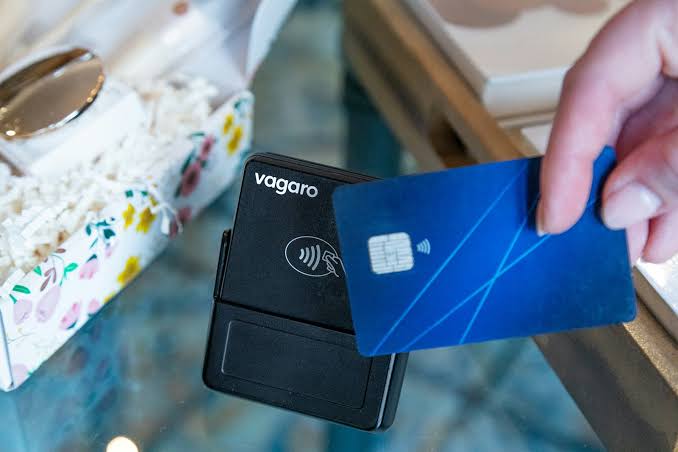
Step 1: Confirm the Exact Request
Ask: “What amount did you attempt, and was it a charge or an authorization hold?”
Request a breakdown of room charges, taxes, fees, and incidentals. If you have already paid, ask staff to verify that payment against the reservation.
Step 2: Check Your Banking App
Look for your available balance, pending holds, card lock status, and security notifications. Check transaction settings relevant to the payment, especially when traveling internationally.
Do not assume a credit card payment or bank transfer has immediately restored spending capacity. Confirm that the funds or credit are available before asking the hotel to retry.
Step 3: Contact Your Card Issuer
Use the number on your card or the bank’s official app. Explain that a hotel payment or authorization was declined and provide the attempted amount.
Useful questions include:
Did the authorization request reach the bank?
Was it blocked for security reasons?
Is there a spending limit or restriction?
Is enough balance or credit available?
Can the hotel safely retry now?
The issuer may have more information than the receptionist, although it may not disclose every detail of its security checks.
Step 4: Arrange One Informed Retry
After correcting the problem, ask staff to retry the transaction. Repeated attempts without identifying the cause are unlikely to help.
If the terminal reported an error, ask staff to check the transaction status first. This reduces uncertainty about whether an earlier authorization succeeded.
Step 5: Offer an Accepted Alternative
A second card is often the most straightforward option. Confirm that it can cover the required amount and satisfies the hotel’s identification requirements.
Ask about cash, debit cards, split payments, or another arrangement if necessary. Treat these as options to request rather than services every hotel provides.
Step 6: Confirm the Result in Writing
Before walking away, establish whether your reservation remains active, your check in is complete, or your bill is settled.
If you switched cards, ask what will happen to any existing authorization on the first card. Keep receipts and the final itemized bill.
Can You Use Someone Else’s Card or Pay Cash?
A traveling companion may be able to pay, but the hotel may require the cardholder to be present with identification. A card belonging to someone elsewhere can require advance authorization.
Marriott advises guests paying for another person’s stay to contact the hotel directly to arrange a credit card authorization form or another payment method. Processing arrangements vary by property.
Ask which expenses the arrangement covers. Room charges and incidentals may need separate approval.
Cash can also be an option, but a property that accepts cash for the final bill may still require a card at check in. Confirm both the accommodation payment and security deposit requirements before relying on cash.
What If You Already Paid for the Room?
First, show your payment receipt and ask staff to identify the failed transaction. The problem may concern an incidental hold rather than another attempt to collect the room price.
For bookings made through a travel website, check who collected payment and which expenses were included. Your receipt may cover accommodation while leaving local charges or extras payable at the property.
Do not pay the room bill twice simply to move the conversation along. Ask the hotel and booking provider to reconcile the payment first.
However, resolving a prepaid booking does not automatically resolve a declined security authorization. You may still need another accepted payment method for that requirement.
Will a Declined Card Cause Extra Charges?
A decline does not create a universal hotel penalty. However, cancellation or no show charges may still apply under your reservation terms if the booking is not maintained or you do not arrive.
An unsuccessful payment attempt also does not automatically cancel your obligations. Contact the property rather than assuming the reservation has disappeared.
If you see a pending amount after a failed attempt, ask whether an authorization succeeded before another part of the process failed. A pending authorization and a completed charge require different handling.
Pro Tips to Prevent Hotel Payment Problems
Ask about the full authorization before traveling. Knowing the room price alone is not enough when your available balance is tight.
Carry a backup payment method where practical, ideally with access to sufficient funds for an unexpected hold. Keep your issuer’s contact details accessible.
For several hotel stays in succession, budget for overlapping holds. Release timing depends on the issuer and payment process, so funds may remain unavailable after departure.
Keep reservation details updated when you replace a card. Also check payment reminders before traveling, particularly for bookings with scheduled advance charges.
Finally, resolve third party payments early. Arranging authorization from a family member or employer while standing at reception can delay access to your room.
Frequently Asked Questions
1. Will the hotel immediately cancel my booking if my card is declined?
Not necessarily. It may request updated details or allow you time to resolve the issue, but you should follow any stated deadline and confirm the reservation remains active.
2. Can a hotel refuse check in even if the room is prepaid?
Yes, if you cannot meet its applicable payment guarantee or deposit requirements. Ask the property about those requirements before arrival.
3. Why is my card declined when I have enough money?
The hotel may be requesting more than the room price, or existing holds may reduce your available balance. Security restrictions, incorrect details, or technical problems are other possibilities.
4. Can I use a different card at checkout?
Many hotels can accommodate another accepted card, but confirm the arrangement with staff. Ask how payment on the replacement card affects the original authorization.
5. Does a declined transaction mean I was charged?
A decline alone does not confirm a completed charge. Check the transaction status with the hotel and issuer if your banking app shows a pending or posted amount.
6. Can the receptionist override my bank’s decline?
Generally, staff cannot force the issuer to approve a transaction. They can help verify the amount, identify processing issues, or arrange an accepted alternative.
7. What if every payment method fails?
Speak to the manager immediately and explain your available options. Before check in, you may need alternative accommodation; at checkout, you need an agreed arrangement for the unpaid balance.
Final Verdict
A declined hotel card is often fixable, but the timing matters. Before arrival it can threaten your reservation, at check in it can delay room access, and at checkout it leaves a bill requiring payment.
Confirm the amount, distinguish a charge from a hold, and contact your issuer before retrying. Then agree on an accepted payment method with the hotel and keep written confirmation of the outcome.
Some links on this page are affiliate links. If you book through one we may earn a commission, at no extra cost to you. It never affects our ratings, our rankings, or the price you pay.