How to Choose the Best Meal Option on a Flight
Choosing the best meal option on a flight may seem like a minor travel decision, but food can have a noticeable impact on how comfortable you feel during a long journey.
Choosing the best meal option on a flight may seem like a minor travel decision, but food can have a noticeable impact on how comfortable you feel during a long journey. The right meal can keep you satisfied without making you feel overly full, help you manage dietary requirements, and reduce the need to buy expensive food at the airport or onboard.
The challenge is that airline catering varies enormously. Meal choices can depend on the airline, cabin class, route, departure time, flight duration, and even the airport where catering is loaded. Some flights provide several choices, while others offer a single snack or a buy on board menu.
Special meals add another layer. Depending on the airline, you may be able to request vegetarian, vegan, religious, medical, or other dietary meals before departure.
Instead of simply choosing whichever dish sounds best, consider the entire journey. Here's how to choose the best meal option for your flight.
First, Find Out Whether a Meal Is Included
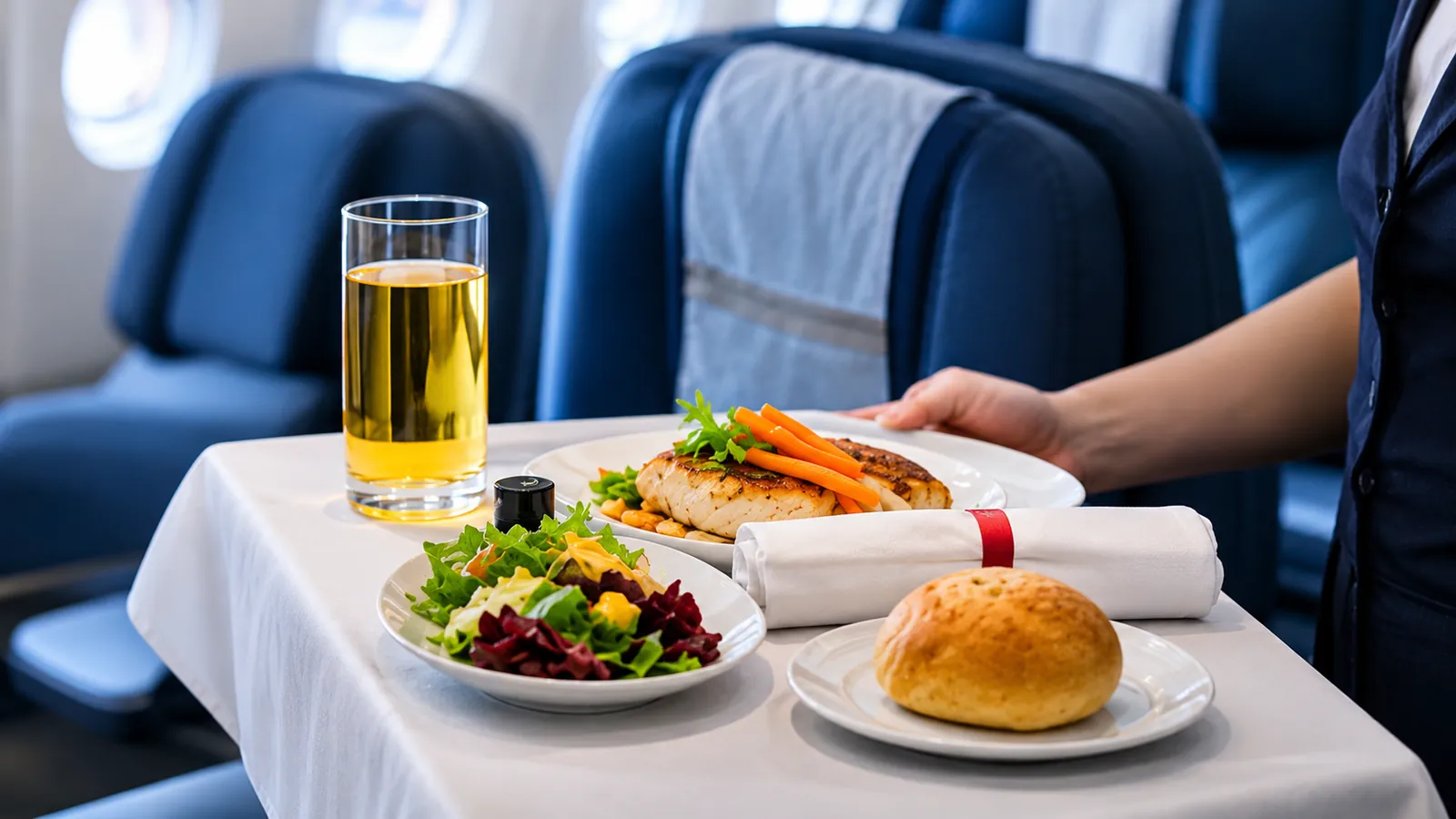
Before deciding what to eat, determine what your ticket actually includes.
Some airlines include meals on certain long haul flights, while others sell food separately. Shorter services may provide a snack, drinks, or no food service at all.
Check your specific flight for descriptions such as:
Meal included
Breakfast
Lunch
Dinner
Snack
Food available for purchase
Preorder available
Do not assume that every international flight includes a full meal.
Likewise, an airline described as full service does not necessarily provide the same catering on every route.
Check the Operating Airline
If you are traveling on a codeshare, identify the airline actually operating your flight.
Your booking might display one airline's flight number but say:
Operated by another airline
The operating carrier normally provides the aircraft, crew, and onboard catering.
This means researching the marketing airline's menu could give you information that does not apply to your flight.
Check every segment separately when connecting between airlines.
Consider the Length of Your Flight
Flight duration should influence how much attention you give your meal choice.
For a 90 minute flight, you may prefer to eat before departure and skip onboard food altogether.
For an eight or twelve hour flight, catering becomes much more important.
On longer journeys, consider:
How many meals will be served.
When meals are likely to be served.
Whether snacks are available.
How long before arrival the final meal is served.
Whether you have a long connection afterward.
Your objective is not simply choosing the tastiest entrée. It is making sure you have enough food for the entire travel period.
Consider the Departure Time
Departure time can help you decide whether you actually want the main onboard meal.
Suppose you have an 11 p.m. departure.
You could eat dinner before boarding and try to sleep soon after takeoff rather than staying awake for the first meal service.
Alternatively, if your flight leaves at 6 p.m., dinner onboard may fit naturally into your schedule.
Morning departures may involve breakfast, while overnight flights can combine dinner and breakfast services.
Think about your normal eating and sleeping habits rather than automatically following the aircraft's meal schedule.
Check the Menu Before Traveling
When available, reviewing the menu before departure makes choosing much easier.
Depending on the airline and flight, you may be able to see:
Main dishes.
Vegetarian options.
Snacks.
Desserts.
Drinks.
Breakfast items.
Preorder choices.
Not every airline publishes menus for every flight, and catering can change.
Still, advance information can help you decide whether the onboard options suit you or whether eating at the airport would be preferable.
Understand Regular vs Special Meals
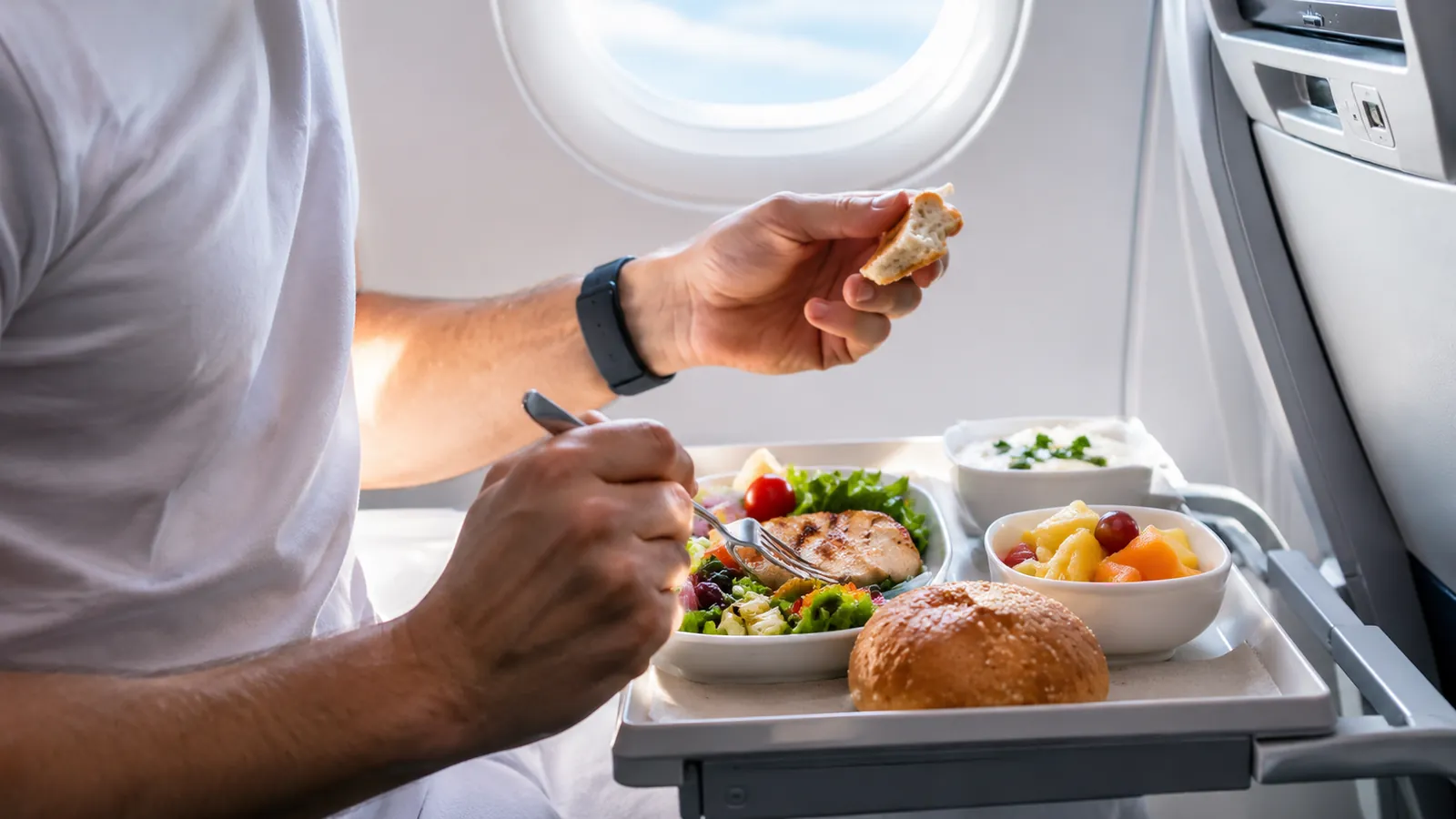
Airline meals generally fall into two broad categories.
Regular meals are part of the standard catering loaded for the flight.
Special meals are requested in advance for passengers with particular dietary, religious, or other requirements supported by the airline.
The available categories vary considerably between carriers and routes.
A special meal is not necessarily a premium or higher quality meal. Its purpose is usually to meet a particular dietary requirement.
If the standard menu already suits you, there may be no reason to request one.
Choose Vegetarian Meals Carefully
Vegetarian meals can be useful for passengers who avoid meat, but airlines may offer more than one type.
For example, one option might exclude meat while still containing dairy products or eggs. Another may follow stricter plant based requirements.
Do not rely only on the word "vegetarian."
Read the airline's description of the specific meal category.
If your dietary requirements are strict, confirm what the selected category is intended to exclude.
Understand Vegan Meal Options
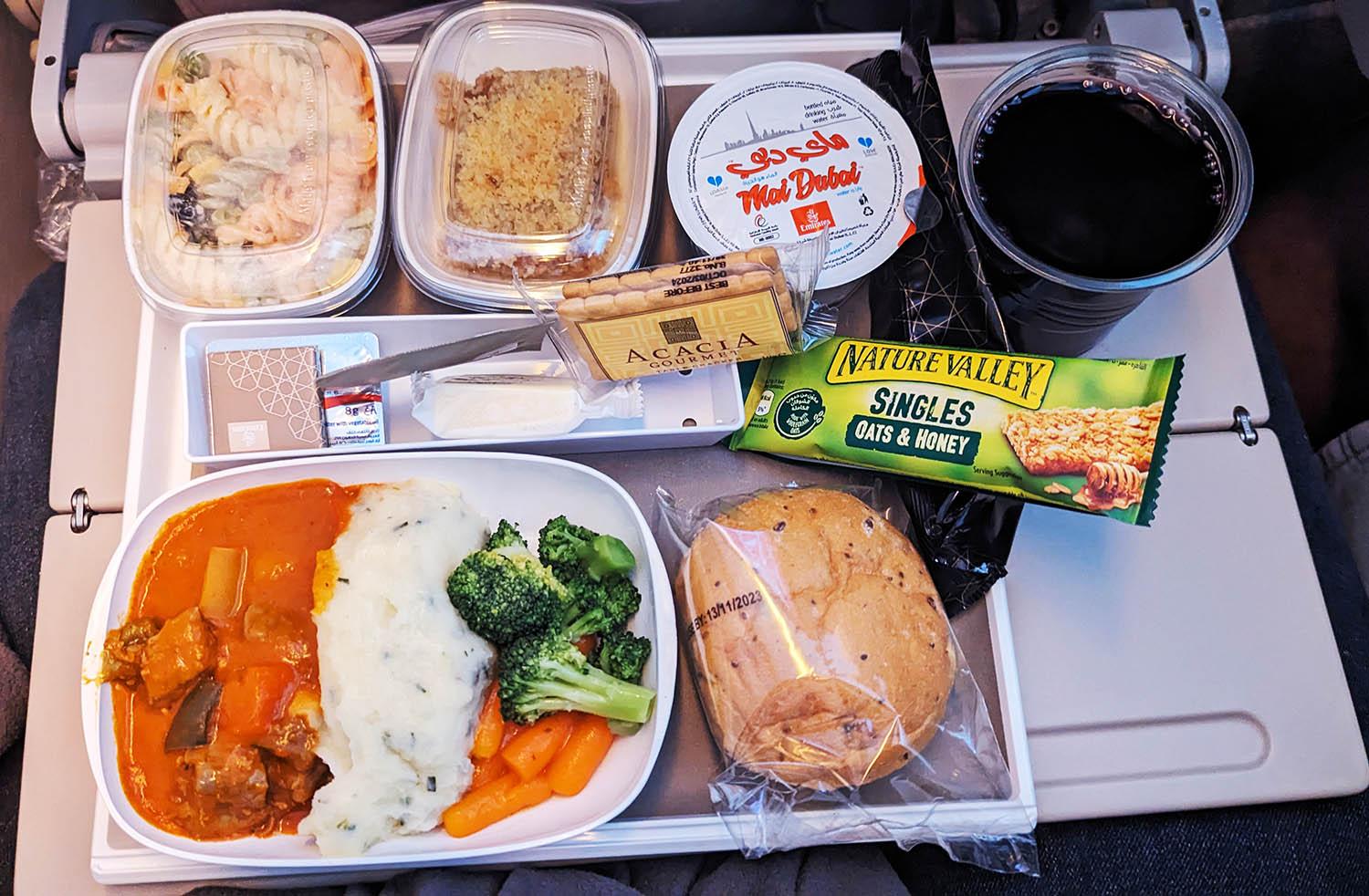
A vegan or strict vegetarian meal generally aims to exclude animal derived ingredients, but terminology can vary between airline catering systems.
If you follow a vegan diet, select the airline's appropriate special meal category rather than assuming the standard vegetarian dish will be vegan.
Request it before the applicable deadline.
It can also be sensible to carry suitable backup snacks because catering errors, substitutions, or operational changes can occasionally occur.
Consider Religious Meal Requirements
Some airlines offer meals designed around particular religious dietary requirements.
Availability depends on the airline, route, catering location, and service.
If you require one, request it through the airline's designated special meal process rather than assuming the regular menu will meet your needs.
Check the request status before departure.
For connecting journeys, verify whether the meal request applies to every eligible segment.
Handle Food Allergies More Carefully
Food allergies require more caution than simply selecting a preferred meal.
Airline kitchens and catering environments can handle many ingredients, and the ability to guarantee an allergen free environment can be limited.
If you have an allergy, review the airline's applicable procedures and ingredient information carefully and follow your usual medical guidance.
Do not assume a special meal automatically eliminates cross contact risk.
When appropriate for your circumstances, carrying suitable food can provide another option, subject to airport security and destination import rules.
Consider How Heavy the Meal Is
A large, rich meal may sound appealing while reading a menu, but sitting relatively still for several hours afterward can make heavy food less comfortable for some travelers.
If you know certain foods make you feel sluggish or uncomfortable, choose something closer to what you normally tolerate well.
You may prefer:
A familiar dish.
Moderate portion size.
Simpler foods.
A lighter sauce.
Rice or another familiar carbohydrate.
Vegetables.
Lean protein where appropriate.
There is no universally "best" airline meal. Your normal eating habits matter more than choosing the most elaborate option.
Think About Hydration Too
Your meal choice is only part of onboard comfort.
Long periods of travel can make staying hydrated easy to forget.
Drink water regularly according to your normal needs, particularly on longer journeys.
If you consume coffee, tea, soft drinks, or alcohol where available, remember that they should not necessarily replace water throughout the entire journey.
You may also want to bring an empty reusable bottle through security and fill it afterward where airport facilities permit.
Compare Included Meals With Buy on Board Food
If you are choosing between airlines, check whether food is included or sold separately.
A comparison might look like this:
| Feature | Flight A | Flight B | Flight C |
|---|---|---|---|
| Base fare | $410 | $445 | $430 |
| Main meal | Included | Paid | Included |
| Snack | Included | Paid | Varies |
| Drinks | Check | Check | Check |
| Preorder | Available | Available | Check |
| Special meals | Check availability | Check availability | Check availability |
| Flight duration | 7h 30m | 7h 20m | 8h |
Prices are illustrative.
Do not automatically choose Flight A because food is included.
Compare the total fare, baggage, seats, schedule, and routing as well.
Decide Whether Preordering Is Worth It
Some airlines allow passengers to preorder meals before departure.
This can be useful when you want a specific dish or when the onboard selection may be limited.
Preordering may also provide a wider menu than waiting until you are onboard.
However, procedures vary.
Check:
Ordering deadline.
Price.
Eligible flights.
Available dishes.
Whether your order is confirmed.
Whether changes are allowed.
Do not wait until arriving at the airport if the airline requires advance ordering.
Request Special Meals Early
Special meals normally need to be requested before the flight rather than after boarding.
The required notice period varies.
If you know you need a particular meal, make the request soon after booking and review your reservation afterward.
Before departure, confirm that the request still appears if your itinerary has changed.
A schedule change or rebooking can sometimes affect previously selected services, so it is worth checking again.
Check Every Flight Segment
Connecting itineraries deserve extra attention.
Imagine your trip consists of:
Flight 1: 2 hours.
Flight 2: 10 hours.
Flight 3: 90 minutes.
The long haul segment may include two meal services, while the shorter flights provide only a snack or paid food.
Different operating airlines may also have different catering policies.
Check each segment independently rather than assuming the same meal request or service applies to the entire ticket.
Think About Your Connection
Your meal strategy should account for what happens between flights.
A short connection may leave very little time to buy food at the airport.
If your first flight offers a meal, eating onboard may be useful.
With a five hour layover, however, you may prefer eating during the connection rather than having a full meal shortly before landing.
Look at your complete travel schedule, not just the first flight.
Consider Your Arrival Time
Think about when you will land and what happens afterward.
If you arrive at 10 p.m. after a long flight, restaurants near your hotel may already be limited.
Eating the final onboard meal could therefore be useful even if you are not especially hungry when it is served.
On the other hand, if you land at lunchtime and plan to eat shortly after arrival, a heavy pre arrival meal may be unnecessary.
Meal planning can make the transition to your destination easier.
Bring Backup Snacks
Even when meals are included, carrying a few suitable snacks can be sensible.
Meal service can be delayed, your preferred option may become unavailable, or you simply might not enjoy what is served.
Practical travel snacks depend on your preferences and applicable security rules.
Remember that international destinations may restrict the import of meat, dairy, fruit, vegetables, seeds, and other agricultural products.
Food permitted onboard is not automatically permitted through customs at your destination.
Do Not Choose a Flight Only for Its Meal
Airline food can improve a journey, but it should rarely determine which flight you book.
Suppose one airline has a better menu but requires a three hour connection, while another offers a convenient nonstop service.
The nonstop flight will often have a much greater impact on your overall experience than the difference between two meals.
Prioritize major factors first:
Schedule.
Total journey time.
Price.
Connections.
Baggage.
Fare flexibility.
Then use meal quality and choice to distinguish otherwise similar options.
Best Meal Strategy by Flight Type
| Flight Type | Practical Meal Approach |
|---|---|
| Under 2 hours | Eat before flying if convenient |
| 2 to 5 hours | Check whether food is included or sold |
| 5 to 8 hours | Review meal timing and inclusions |
| Long haul daytime | Consider full meal schedule |
| Overnight | Balance meals against sleep |
| Tight connection | Avoid depending entirely on airport food |
| Special diet | Request appropriate meal in advance |
These are general planning ideas rather than airline rules.
Your own eating habits should guide the final decision.
Common Mistakes When Choosing an Airline Meal
One common mistake is assuming every international flight includes a meal.
Another is requesting a special meal without understanding exactly what that category means.
Travelers also forget to check the operating airline on codeshare journeys or assume a meal request automatically applies to every connecting segment.
Another mistake is choosing food based entirely on what sounds most indulgent. On a long flight, familiar and comfortable food may suit you better.
Finally, do not rely completely on airline catering when you have strict dietary requirements. Plan an appropriate backup where necessary.
Frequently Asked Questions
How do I know what meals my flight offers?
Check the meal and onboard service information associated with your specific flight. Availability varies by airline, route, cabin, duration, and operating carrier.
Should I choose my airline meal in advance?
If preselection is available and you have a strong preference, choosing early can be useful. Special meals generally require advance requests.
Are special meals free?
It depends on the airline and service. Many special meal requests on flights with included catering do not carry a separate meal charge, but policies vary.
Is vegetarian food always available onboard?
Not necessarily. Availability depends on the flight. If vegetarian food is essential, request the appropriate meal in advance where the airline provides that option.
Should I eat before an overnight flight?
It depends on your schedule. Eating before boarding can allow you to prioritize sleep, particularly when dinner would otherwise be served late.
Can I bring my own food?
Often yes, subject to airport security, airline requirements, and destination customs or biosecurity restrictions.
What if my requested meal is unavailable?
Having suitable backup snacks can help. Passengers with important dietary or allergy related requirements should plan more carefully and follow applicable airline guidance.
Final Thoughts
Choosing the best meal option on a flight starts with understanding what your specific flight actually provides.
Check the operating airline, flight duration, meal schedule, and whether food is included or sold separately. If you have dietary requirements, review the available special meal categories and submit your request within the airline's required timeframe.
For overnight journeys, think about whether eating or sleeping deserves priority. For connecting trips, consider meal service across the entire itinerary rather than one segment.
And keep airline food in perspective.
The best flight meal is not necessarily the fanciest dish on the menu. It is the option that suits your dietary needs, eating habits, travel schedule, and comfort.
When you combine sensible meal planning with a good flight schedule, enough water, and a few appropriate backup snacks, eating at 35,000 feet becomes a much easier part of the journey.
Some links on this page are affiliate links. If you book through one we may earn a commission, at no extra cost to you. It never affects our ratings, our rankings, or the price you pay.