Turkish Airlines Review
Turkish Airlines Review Turkish Airlines is a full-service carrier that connects travelers through Istanbul to cities across Europe, Asia, Africa, the Americas, and beyond.
Turkish Airlines is a full-service carrier that connects travelers through Istanbul to cities across Europe, Asia, Africa, the Americas, and beyond. Its network makes it especially useful when the destination you want is hard to reach on a single airline. It also offers something many travelers still value on a long journey: meals, entertainment, and a choice of economy or business class rather than a bare-bones flight built around paid extras.
That sounds appealing, but the route map is only part of the decision. A connection through Istanbul can add travel time, economy seat selection may cost extra, and the experience of changing a ticket can depend heavily on the fare you bought. The aircraft matters, too. A business class seat on one route may feel quite different from a seat carrying the same label on another.
This Turkish Airlines Review looks at the booking process, cabins, baggage, food, connections, customer feedback, and overall value. The question is straightforward: is Turkish Airlines worth booking when you have other ways to get there? For many international trips, the answer is yes, provided you check the details of your specific itinerary before paying.
Quick Verdict
Overall impression: Turkish Airlines is a strong choice for international travelers who value a wide route network and a full-service onboard experience. Its biggest appeal is the combination of destinations available through Istanbul and an economy product that often feels more substantial than a basic short-haul fare.
Best for: Travelers heading between regions, passengers visiting Turkey, and people who place a high value on onboard meals and entertainment.
Main strengths: Extensive connections, generally well-regarded catering, useful Istanbul stopover options for eligible passengers, and a loyalty program linked to the wider Star Alliance network.
Main weaknesses: Paid advance seat selection on many economy fares, fare rules that need careful reading, variable aircraft and cabin layouts, and customer-service complaints when journeys go wrong.
Who should consider it: Travelers whose route works well through Istanbul and who find a competitive total price after adding any seats, baggage, or flexibility they need.
Who may prefer an alternative: Anyone who can take a reasonably priced nonstop flight, needs a particularly flexible ticket, or wants a short and simple connection above all else.
Turkish Airlines Overview
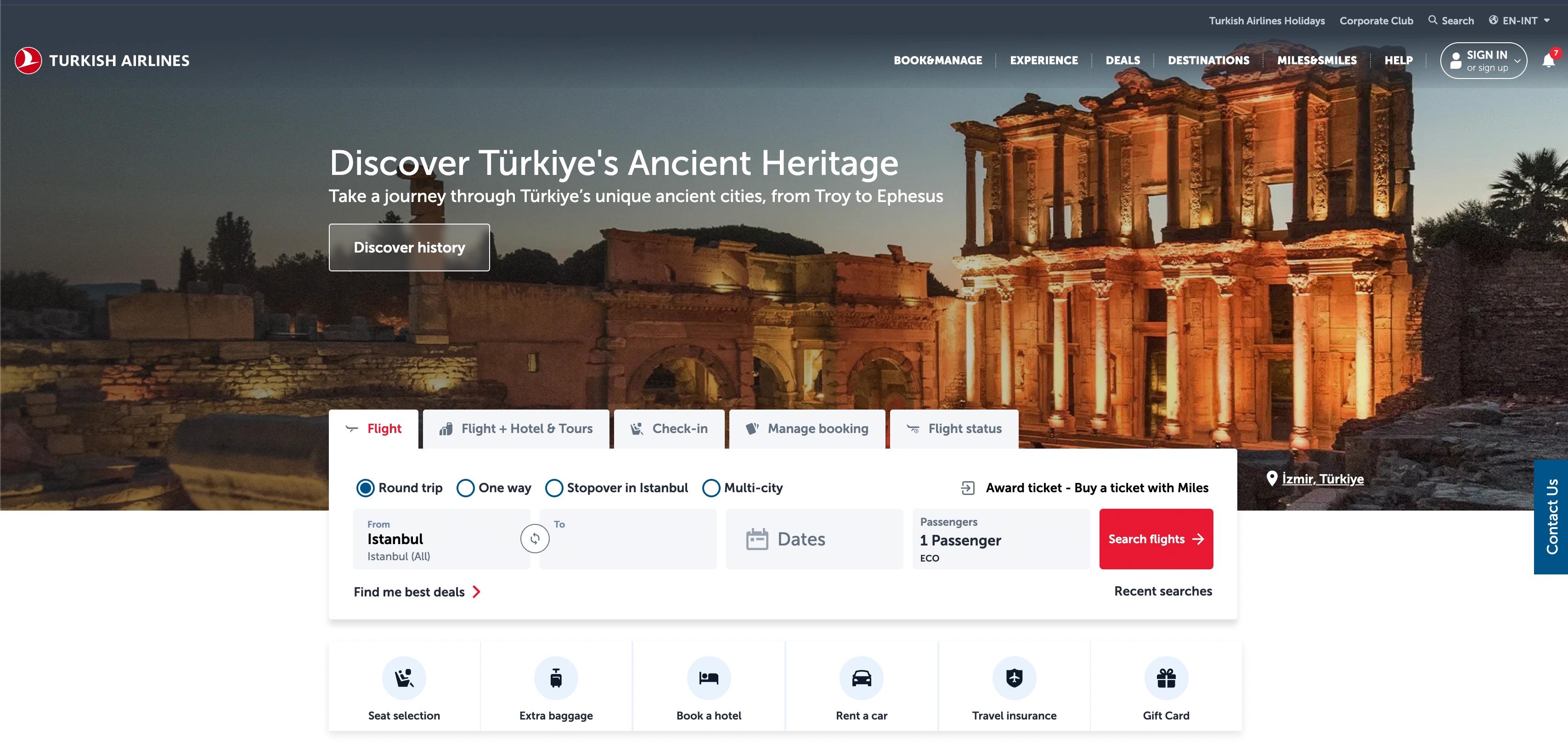
Founded in 1933, Turkish Airlines is based in Istanbul and operates as Turkey’s flag carrier. Istanbul Airport is its main international hub. From there, the airline links major cities with smaller or less directly connected destinations, making it relevant far beyond trips to Turkey itself.
Its network spans Europe, the Middle East, Africa, Asia-Pacific, and the Americas. That reach is the airline’s clearest practical advantage. A traveler flying between two continents may be able to book both flights on one Turkish Airlines ticket, with a single connection in Istanbul instead of arranging separate journeys.
Turkish Airlines is a full-service airline, with economy and business class as its core cabins. It uses different aircraft on short and long routes, so seat design and available amenities vary. Do not assume that a photo of its newest business class seat represents every flight, or that a short regional flight will offer the same onboard experience as an intercontinental one.
The airline is also a Star Alliance member. Its Miles&Smiles program allows members to earn and use miles under the program’s rules, including on eligible partner flights. For occasional travelers, the network is likely to matter more than the miles. For frequent international flyers, both can influence the choice.
Services and Features
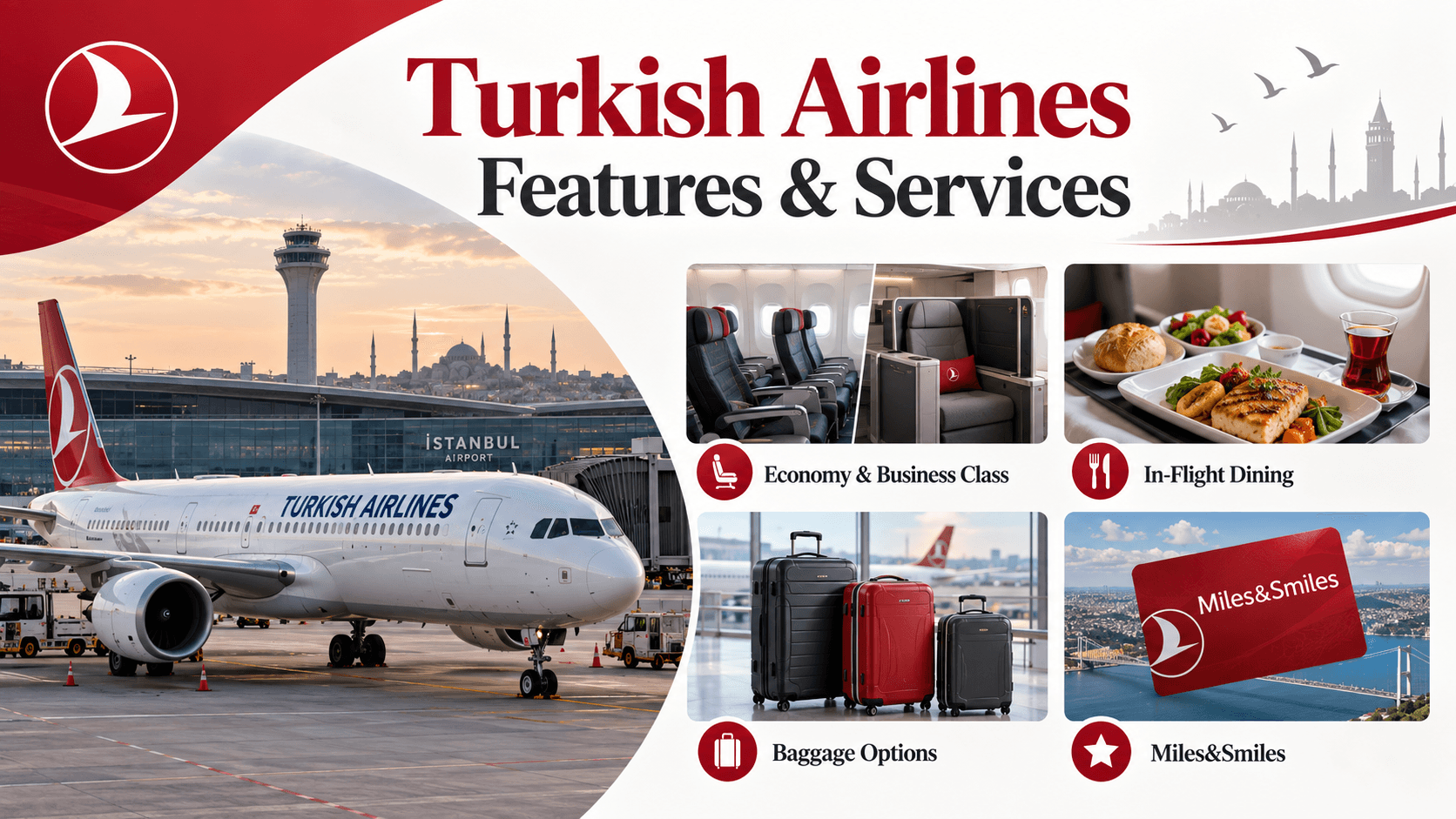
Booking and choosing a fare
You can search flights and manage many booking tasks through the Turkish Airlines website or app. As with most network airlines, the important choice is not just which flight to buy. It is which fare to buy.
Check the conditions attached to the exact option shown at checkout. Baggage, advance seat selection, changes, refunds, and mileage earning can differ by fare, route, and market. A lower headline price may be good value for a traveler with fixed plans, while a fare with more flexibility may make better sense for someone whose dates could move.
Pay close attention to the connection as well. Confirm the airport, the length of the layover, and whether every flight is on one ticket. If another airline operates a segment, check its applicable services rather than assuming every part of the trip will feel like a Turkish Airlines flight.
Economy and business class seats
Economy is the cabin most travelers will use. On longer flights, expect a conventional full-service setup, with onboard meals and entertainment where the aircraft is equipped for it. Comfort still depends on the aircraft, the particular seat, and the person sitting next to you. A standard economy seat can feel tight on an overnight flight, even when the food and service are good.
Turkish Airlines charges for advance selection of many economy seats. The amount and availability depend on the flight and seat type. If sitting together is essential, especially with children or on a long overnight journey, include seat costs when comparing fares. Waiting for check-in may leave you with fewer choices.
Business class offers more space, upgraded dining, and a more comfortable airport and onboard experience. Long-haul seats differ across aircraft, however. If sleep or direct aisle access is the reason you are paying substantially more, inspect the seat map for the flights you intend to book. Also check both legs of a connecting itinerary: a premium long-haul seat does not mean the shorter connecting flight has the same layout.
Baggage and special items
Turkish Airlines uses different checked-baggage rules across routes and fares. Some itineraries state an allowance by total weight; others state it by the number and weight of bags. The allowance printed on your booking is more useful than a general baggage figure found elsewhere.
On routes using the piece concept, the airline states that an individual economy checked bag is normally limited to 23 kg before overweight charges, while an individual business class bag can be up to 32 kg. That does not mean every economy ticket includes the same number of checked bags. Check both the quantity and the limit for each bag on your ticket.
Cabin baggage, sports equipment, musical instruments, and other special items have separate conditions. Check those before travel, particularly if you are connecting to a flight operated by another carrier. An item accepted on one leg may need different handling on the next.
Meals, entertainment, and Wi-Fi
Food is one of Turkish Airlines’ better-known strengths. On many international flights, meals are part of the full-service experience, and recent independent cabin reviews have spoken positively about the quality and presentation.
Meal choice and service style depend on flight length, cabin, departure point, and time of day, so a short flight should not be judged against a long-haul menu.
Passengers with dietary needs should request an available special meal within the airline’s stated booking deadline. Make the request through the booking and confirm it appears there, particularly after any schedule change.
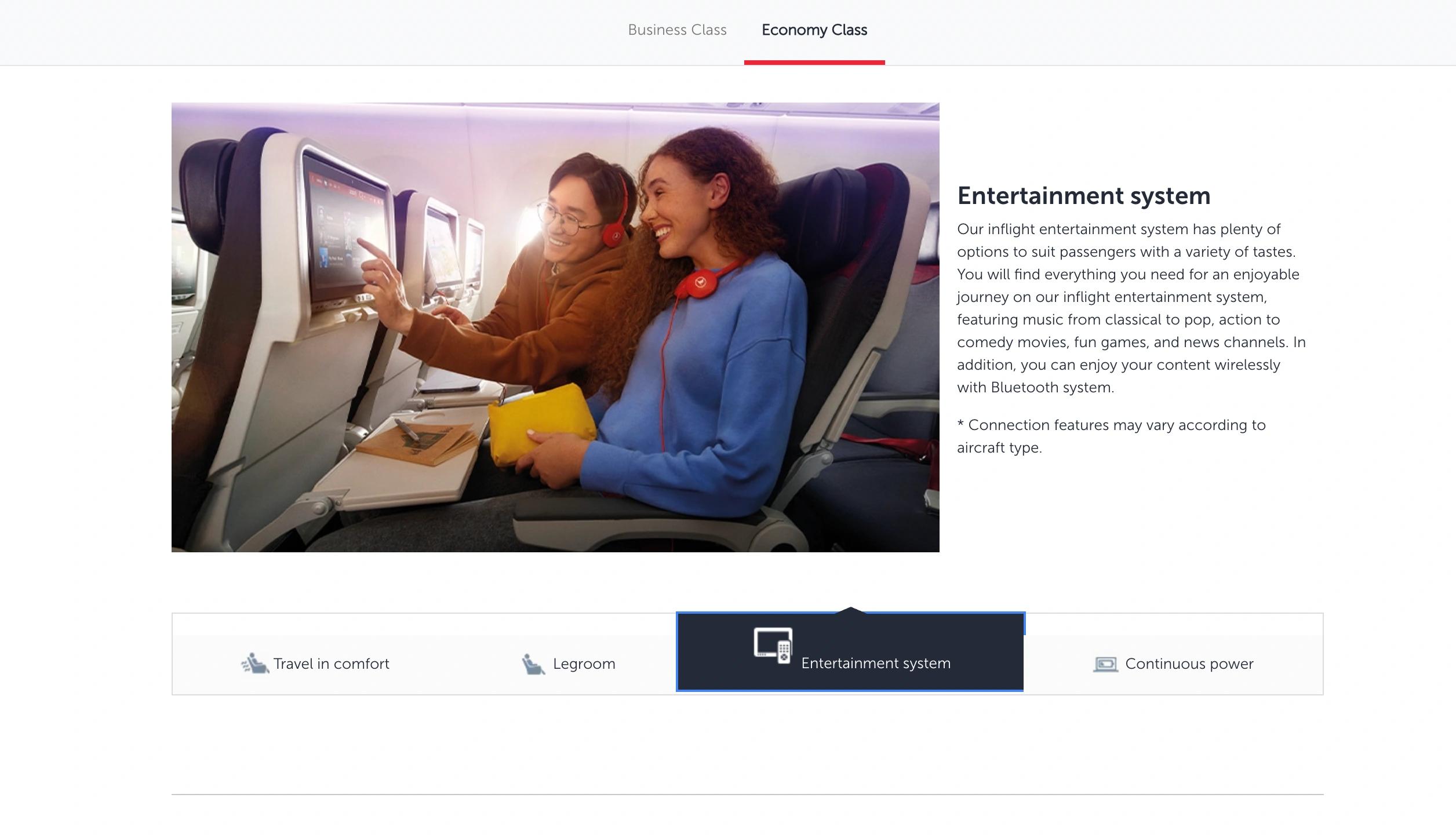
Seatback entertainment is available on many aircraft, especially on long-haul routes. Wi-Fi availability and complimentary access are less consistent. They can depend on the aircraft, cabin, and Miles&Smiles membership status. If working online matters to you, check the service offered for your flight and plan for the possibility that connectivity may be limited.
Istanbul connections, lounges, and stopovers
Istanbul Airport gives Turkish Airlines its reach, but it is a large hub. A connection that looks comfortable on paper can feel hurried if your first flight arrives late or the next gate is far away. Leave more time if you are traveling with children, need assistance, or simply prefer an unhurried transfer.
Eligible international connecting passengers may be able to use Touristanbul, the airline’s complimentary city-tour program, when their Istanbul layover is between 6 and 24 hours and fits a scheduled tour. A separate Stopover in Istanbul accommodation program applies to certain eligible itineraries with a layover of at least 20 hours. Neither benefit should be assumed from connection length alone. Check eligibility, application deadlines, and entry requirements before choosing a flight around either offer.
Turkish Airlines also operates lounges for eligible business class passengers and qualifying frequent flyers. Lounge access depends on ticket and status rules, so verify it for your booking rather than treating it as a standard benefit of any long layover.
Pricing and Value for Money
Turkish Airlines can offer good value when its schedule gives you a convenient one-ticket connection and its included services match what you would otherwise pay extra to receive. That is most noticeable on longer international journeys, where meals and entertainment affect more hours of the trip.
It is not automatically the lowest-cost choice. Fares change with dates, demand, destination, cabin, and how far ahead you book. The useful comparison is the total trip cost: ticket, bags, chosen seats, change flexibility, and any overnight expenses. A cheaper connecting fare loses some appeal if it adds a long layover and you need a hotel.
Seat selection deserves particular attention. Paying to reserve standard or preferred economy seats on several flight segments can materially change a family’s total. Likewise, a restrictive fare may be poor value if there is a real chance you will need to move your travel dates.
Compare journey time as well as money. If a nonstop flight costs a little more and saves several hours, it may be the better purchase. If Turkish Airlines offers a much more useful schedule or a route that competitors serve awkwardly, its value becomes easier to see.
User Experience
The booking journey is manageable when you know your dates and route. The main work for the customer is reading the fare conditions closely. Before payment, confirm the passenger names, operating airline, baggage allowance, seat charges, and rules for changing or cancelling each flight.
Online and mobile check-in are available for many journeys, though document checks or airport-specific rules may require a visit to a counter. Keeping your passport details and contact information current is sensible. Turkish Airlines says it uses email and SMS for certain disruption notices, and its booking-management tools provide some options when schedules change.
Safety, Trust, and Reliability
Turkish Airlines is an established international carrier, and an independent Skytrax quality assessment currently classifies it as a four-star airline. That assessment concerns the passenger product and service. It is not a guarantee about a particular flight’s safety, punctuality, or customer support.
A fair safety assessment should also avoid pretending that one rating settles the issue. Airlines operate under aviation oversight, and operational findings can occur without proving that every flight is unsafe. Indian regulators, for example, reported compliance lapses following inspections in 2025 and called for corrective attention. That is relevant context, but it would be misleading to turn a specific inspection finding into a blanket claim about all Turkish Airlines journeys.
For most passengers, day-to-day reliability is a more immediate concern: whether a schedule change is communicated clearly, whether a connection has enough time, and whether help is available when a flight is disrupted. Protect yourself by booking a sensible connection on one ticket, keeping contact details current, and saving copies of your itinerary and receipts.
Customer Reviews and Common Complaints
Customer feedback presents two noticeably different pictures. Recent independent accounts of the onboard product often praise the meals and describe a comfortable long-haul experience relative to expectations for economy. Reviewers also point to the appeal of the Istanbul network: the airline can make an otherwise awkward journey possible with one connection.
Negative feedback tends to concentrate on what happens around the flight. Consumer-review sites contain recurring complaints about slow or unhelpful responses, difficulty changing bookings, refund disputes, seat-selection charges, and handling of disruptions. These accounts matter because a good meal offers little comfort when a passenger is trying to get home after a cancelled connection.
Neither kind of review predicts your trip. People with unresolved problems may be more motivated to post on complaint sites, while a favorable account of one aircraft cannot describe the entire fleet. The useful pattern is narrower: Turkish Airlines has real strengths in network and onboard service, while complicated service problems can be frustrating to resolve.
Read recent reviews for your route and cabin if you want more specific context. A short regional flight, an overnight long-haul journey, and a tight transfer through Istanbul put different parts of the airline to the test.
Who Is Turkish Airlines Best For?
International travelers with connecting itineraries have the strongest reason to look at Turkish Airlines. Its Istanbul hub can link cities that otherwise require a less convenient route or separate tickets.
Travelers visiting Turkey can also make good use of the airline’s international network and onward flight options. Check the exact airport and operating carrier on every segment if you are adding domestic travel.
Passengers who care about the onboard experience may appreciate the meals and entertainment on long flights. They should still compare the specific aircraft and seat they are booking, particularly in business class.
Frequent flyers who use Star Alliance may find Miles&Smiles useful, depending on the routes they fly and the program rules that apply to their fares. Miles are a reason to compare options, not a substitute for checking price and schedule.
Tips for Booking Turkish Airlines
Compare the complete itinerary. Look at arrival time, layover length, and total journey time, not just the departure city and fare.
Check that flights share one ticket. Separate bookings can leave you responsible for a missed onward flight.
Read the baggage line on your booking. Confirm whether your allowance is stated by weight or by number of pieces.
Price seats for every segment. Add the cost before deciding that an economy fare is cheaper than a rival’s.
Inspect the aircraft and seat map. This is especially valuable when paying for business class or extra legroom.
Read change and refund terms before payment. Save a copy of the rules attached to the fare you choose.
Allow breathing room in Istanbul. A slightly longer connection can be worth more than a marginally earlier arrival.
Check stopover eligibility in advance. A qualifying layover length alone does not guarantee a tour or hotel.
Confirm special meals and assistance after changes. Recheck requests if the airline alters your flight.
Keep your contact details current. Save your booking reference and check for schedule updates as departure approaches.
Final Verdict
Is Turkish Airlines worth using? Yes, often, particularly when its Istanbul hub gives you a practical one-ticket route and the overall fare is competitive. The airline’s strongest reason to book is its reach, supported by an onboard experience that many travelers find appealing on long flights.
The biggest reason to pause is the complexity around the ticket. Economy seat charges, route-specific baggage rules, varying aircraft, and restrictive fares can change the value of a booking. Customer complaints also suggest that resolving a problem may be less pleasant than the flight itself.
For a traveler with firm plans, a comfortable connection, and a fare whose conditions have been checked carefully, Turkish Airlines is a sound option. If a reasonably priced nonstop flight is available or flexibility is your top priority, compare that alternative before booking.
Some links on this page are affiliate links. If you book through one we may earn a commission, at no extra cost to you. It never affects our ratings, our rankings, or the price you pay.