What Happens If I Miss a Connecting Flight?
If you miss a connecting flight, contact the airline as soon as you know you may not make it. What happens next depends mainly on whether both flights are on one booking or separate tickets.
If you miss a connecting flight, contact the airline as soon as you know you may not make it. What happens next depends mainly on whether both flights are part of one booking or you bought separate tickets. A delay on a single booking will usually lead the airline to arrange another flight. With separate tickets, the second airline may treat you as a passenger who simply missed departure.
That distinction affects who pays for a replacement flight, what happens to your checked bag, and whether you can claim a refund or compensation. Here is how to work through it while you are still at the airport.
First, Check How Your Flights Were Booked
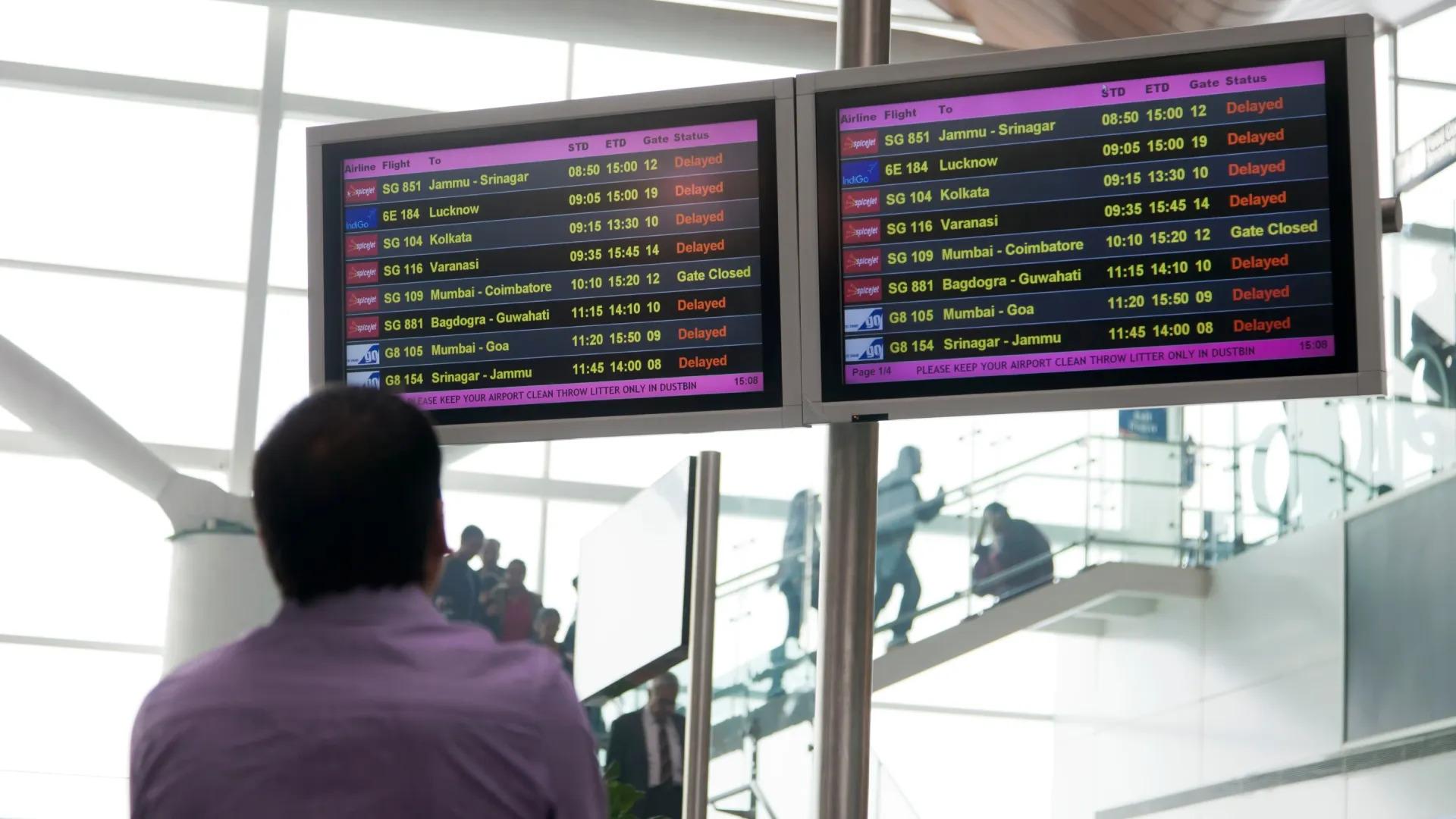
A connecting itinerary normally has two or more flights sold as one journey to a final destination. You may fly with different airlines and still have a single booking, particularly when the carriers have an agreement to carry connecting passengers.
Separate tickets create a different arrangement. For example, you might buy one ticket from Delhi to London and another from London to New York because the combination looks cheaper. Even if a booking website displays them together, check the confirmation carefully: two independent bookings may leave you responsible for making the second flight.
The UK Civil Aviation Authority explains that, for a journey booked together, rights relating to delays can be assessed at the final airport. Its guidance also distinguishes connecting journeys from independently booked flights.
What the Airline Does When Its Delay Causes the Missed Connection
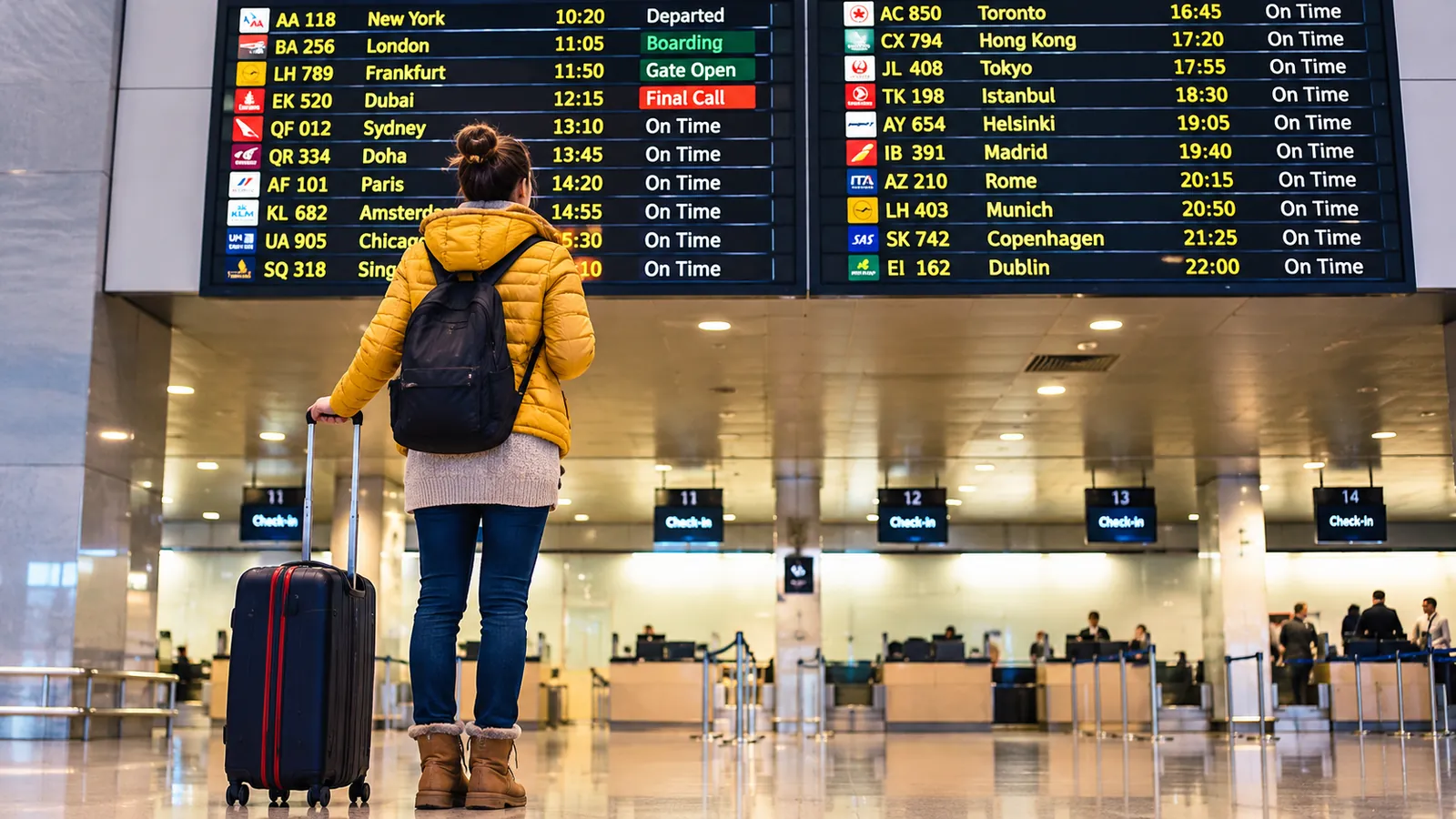
On a protected, single booking, the airline may detect the problem before your first plane lands. Look for an updated itinerary or boarding pass in its app, email, or text messages. If nothing appears, go to the transfer desk or contact customer service.
The replacement may be a later flight that day, a flight the following morning, or a route through another airport. A seat on the very next departure is not guaranteed if that flight is full. Ask the agent to confirm the complete journey to your final destination, including any later connections.
Airline policies give a useful picture of the process. American Airlines says it rebooks customers at no additional cost when a cancellation or delay could cause them to miss a connection, using its next flight with available seats. United says it actively looks for alternatives when customers miss a connection. The exact option available to you depends on your airline, route, ticket, and applicable law.
Will the Airline Hold the Connecting Plane?
Sometimes an airline can briefly hold a flight, but never count on it. The decision can depend on the number of connecting passengers, crew schedules, airport restrictions, and the effect on everyone already aboard.
If your first flight lands late, check the departure board and the airline app before assuming you have missed the connection. A gate change or delay to the second flight might still make it possible. Go directly to the gate if the flight is boarding, and follow airport staff instructions.
What Changes When You Have Separate Tickets?
With separate tickets, the first airline’s obligation usually ends at the destination printed on its ticket. It may have no arrangement with the carrier operating your next flight. The second carrier, meanwhile, did not delay its own service simply because you arrived late from another booking.
Call or message the second airline before its flight departs, if possible. Ask whether it can move you to a later flight, apply your ticket’s value, or offer a same day alternative. Fees and fare differences depend on the ticket rules, so get the price before agreeing.
If you bought the tickets through an agency or booking platform, contact it as well. Check whether it sold a specific connection guarantee and what that guarantee covers. Keep screenshots of the original itinerary and every proposed change.
Separate bookings also complicate baggage. You may need to collect your suitcase, enter the country if required, and check in again. If you cannot legally enter the transit country, a missed self arranged connection can become especially difficult. Check entry and transit requirements before booking this type of trip.
What to Do, Step by Step, When You Might Miss Your Connection

1. Check the Real Status of Both Flights
While you still have a connection, look at your airline’s app, the airport departure board, and any messages from the carrier. Your onward flight may be delayed too. Note its boarding deadline, which can be earlier than the published departure time.
If you are on the first aircraft, tell the cabin crew about the tight connection. They may have current arrival information or be able to tell you where to find transfer assistance, though they cannot promise to hold the next flight.
2. Contact the Airline Before You Reach the Transfer Airport
If the connection is clearly impossible, use the app or airline chat while you still have internet access. You may be able to select an alternative before the airport service desk becomes crowded.
Keep your booking reference and preferred alternatives handy. When speaking to an agent, state your final destination, not just the next airport. A replacement for one leg is of little use if it breaks the rest of your itinerary.
3. Go to the Right Desk or Gate
If the second flight is still boarding, head to its gate. If it has departed, find the airline’s transfer desk, customer service counter, or staffed gate. On a journey involving partner airlines, the operating carrier’s staff can often direct you to the team handling the disruption.
Ask these questions before leaving the counter:
Am I confirmed on the new flight, or only on standby?
What happens to the remaining flights on my booking?
Where is my checked bag going?
Am I eligible for meals or a hotel during the wait?
Will I need new boarding passes or travel documents?
4. Get the New Itinerary in Writing
Check the date, airport, flight number, and passenger names. A city with multiple airports can create an unwanted transfer, and an overnight change may affect your entry documents or accommodation plans.
If the offered flight does not work, explain why before accepting it. Ask about another route, a later departure, or a refund if the disruption gives you that choice. Do not assume you can accept a replacement flight and also receive a refund for the same travel. U.S. Department of Transportation guidance says passengers who accept rebooking generally are not entitled to a ticket refund on that basis.
5. Confirm Your Baggage Plan
Ask whether your checked bag will be transferred automatically, held, or returned to you. American says it reroutes bags when passengers check in for replacement flights, but procedures differ by carrier and airport. Keep your bag tag receipt until you have the suitcase.
On some international connections, travelers must clear customs and handle baggage before continuing. Rules and airport processes vary, and limited programs can provide exceptions. Follow the instructions for your specific route rather than assuming a bag checked to your final city will move there without you.
Will You Get Meals, a Hotel, or Compensation?
These are three separate questions. Rebooking gets you moving again. Care can include meals or accommodation while you wait. Compensation is money paid under a passenger rights rule or airline commitment. Qualifying for one does not automatically mean you qualify for all three.
For flights to, from, or within the United States, there is no general federal requirement to pay cash compensation for an ordinary delay. Airlines do make service commitments for disruptions within their control, and the DOT dashboard lets travelers check those commitments. Refund rights can apply when an airline cancels or significantly changes a flight and you decline its alternative.
For journeys covered by EU passenger rights, a missed connection on a single reservation may qualify for compensation if you reach your final destination at least three hours late and the disruption was not caused by extraordinary circumstances. Missing the flight because you were delayed at security or failed to meet the boarding time does not create the same entitlement. Coverage depends on the route and carrier, so check it before making a claim.
UK and Canadian rules may also apply to qualifying journeys. The UK Civil Aviation Authority specifically addresses care following a missed connection caused by a delayed first flight. Canada’s Air Passenger Protection guidance ties rebooking, refunds, and possible compensation to the cause of the disruption and the applicable rules.
If you need to buy food or arrange a room, ask the airline what it will provide before paying yourself. Save receipts and a record of the reason given for the delay. These details matter if you later seek reimbursement.
Practical Tips That Can Save the Trip
Allow extra time for an international transfer. Passport control, security, terminal changes, and baggage collection can consume a connection that looks comfortable on the booking screen. A legal connection sold by an airline is still vulnerable to a delay.
Choose a single booking when arriving on time matters. It gives the airline a clearer view of your full journey and generally makes disruption handling simpler. If you choose separate tickets, leave enough time to absorb a late arrival and a fresh check in.
Check nearby routes, then ask the airline about them. An agent may have a useful option through another hub or into another suitable airport. Let the airline issue or confirm a replacement before you buy an expensive ticket yourself, unless waiting would clearly defeat your travel plans.
Keep evidence while events are fresh. Save your booking confirmation, boarding passes, delay messages, baggage tag, and receipts. Write down the flight numbers and actual arrival time at your final destination if you expect to make a passenger rights claim.
Frequently Asked Questions
Do I have to pay if I miss a connecting flight?
If an airline delay makes you miss a connection on one booking, the airline will generally arrange onward travel according to its policy and applicable law. If you booked separate tickets or missed boarding for a reason within your control, you may face a fare difference, a fee, or the cost of a new ticket.
Will my checked bag follow me onto the new flight?
It may, but confirm its routing with the airline. Ask whether you must collect it at the transfer airport and whether a customs process changes the plan. Keep the bag tag and report a missing bag promptly at your eventual arrival airport.
Can I get a refund instead of taking the replacement flight?
Possibly. The answer depends on the disruption, where you are traveling, and the rules that cover your ticket. For qualifying U.S. flights, a cancellation or significant change can create a refund right if you do not accept alternative transportation. Ask about the unused portions of the booking before deciding.
What if the connection was missed because of weather?
Contact the airline for rebooking immediately. Weather may affect whether meals, accommodation, or cash compensation are owed, but it does not mean you should wait to ask for an alternative flight. Keep an eye on later legs of the same booking.
What if I miss the connection because security took too long?
Tell the airline what happened and ask about your options. The outcome depends on your ticket and circumstances; an automatic free replacement or compensation should not be assumed. EU guidance specifically says a missed connection caused by security delays does not qualify for its missed connection compensation.
Will the airline put me on a competitor’s flight?
It might, but this is not guaranteed everywhere. Ask which flights it can offer, including partner services. If another airline has a much earlier departure, give the agent its flight number and ask whether your ticket can be moved there before purchasing it yourself.
What happens if the next available flight is tomorrow?
Confirm your seat and baggage arrangements first. Then ask the airline whether it will provide a hotel, meals, and transport, or whether you need to arrange them and submit receipts. Your entitlement depends on the cause of the disruption, the airline’s commitments, and the passenger rights rules covering your journey.
Verdict: Act Early and Check the Booking
A missed connecting flight is usually manageable when both flights are on one booking: contact the airline, secure a confirmed new itinerary, and check where your bag is going. Then assess meals, accommodation, refund choices, or compensation separately.
With separate tickets, contact the second airline before departure if you can. The sooner you act, the more options you are likely to have, and the less chance that a missed flight will disrupt the rest of your trip.
Some links on this page are affiliate links. If you book through one we may earn a commission, at no extra cost to you. It never affects our ratings, our rankings, or the price you pay.