How to Book Connecting Flights Easily
Learning how to book connecting flights easily can save you money and open up more destinations. The most useful rule is simple: book the entire journey on one ticket whenever possible.
Learning how to book connecting flights easily can save you money and open up more destinations. The tricky part is choosing a connection that gives you enough time to change planes without turning your trip into an all-day wait.
The most useful rule is simple: book the entire journey on one ticket whenever possible. Then check the layover airport, connection time, terminal changes, baggage arrangements, and entry requirements before you pay. A cheap flight can become expensive if a missed connection leaves you buying another ticket.
This guide walks you through those checks so you can book with confidence.
What Is a Connecting Flight?
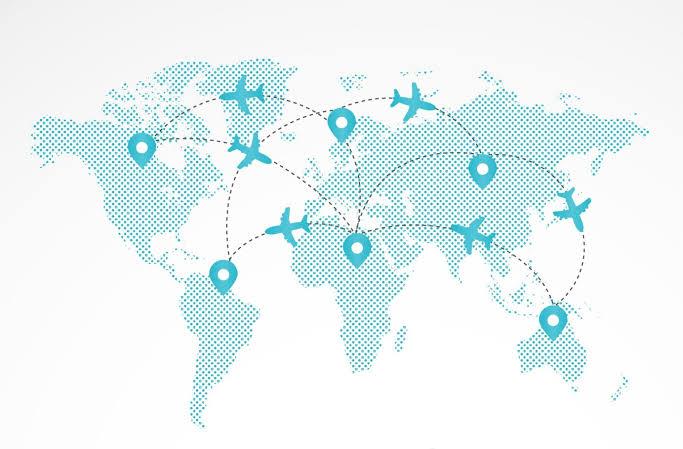
A connecting flight takes you from your starting airport to your destination through one or more intermediate airports. For example, a journey from New York to Bangkok might stop in Doha, where you leave the first aircraft and board another.
Your layover is the scheduled time between the first flight’s arrival and the next flight’s departure. During that time, you may need to walk to another gate, take a terminal shuttle, clear security, or complete immigration checks.
The booking arrangement matters as much as the length of the layover:
A single checkout or confirmation email does not always mean you have one protected ticket. Look for wording such as “self-transfer,” “separate tickets,” or “you must check in again.” If the arrangement is unclear, ask the seller before purchasing.
Airports set minimum connection times for certain routes, but these vary by airport and itinerary. Those minimums apply to connections sold as such and may be too short for flights bought separately.
How to Book Connecting Flights: Step by Step

1. Search for the full journey first
Enter your starting airport and final destination in an airline website or flight search tool. Search the entire trip as one journey instead of looking up each leg independently.
This makes it easier to find flights sold on one ticket, including journeys operated by airline partners. Use filters to remove options with too many stops or layovers that seem uncomfortably short.
2. Compare the complete travel time
Check both the total journey time and the time spent at each connecting airport. A lower fare may involve a long overnight wait, while a slightly higher fare could get you there hours earlier.
Look at the arrival time at your final destination, too. If you need to reach a hotel late at night or attend an event soon after landing, the cheapest itinerary may be a poor fit.
3. Check the connection airport
Read the airport names and codes on every flight segment. Some itineraries involve arriving at one airport and departing from another in the same city. That can mean arranging and paying for ground transport yourself.
Also check whether the flights use different terminals. A terminal change might be a short walk, an airside train ride, or a transfer that requires you to leave the secure area. Check the airport’s transfer instructions for your exact route.
4. Give yourself a comfortable layover
There is no universal safe connection time. The right amount depends on the airport, route, terminal layout, baggage process, and whether you must clear immigration or security. Heathrow, for example, tells travelers to confirm connection requirements with their airline because they differ by journey. As a practical planning preference, consider adding extra time when you are unfamiliar with the airport, traveling with children, checking bags, or connecting from an international flight. Build in substantially more time for a self-transfer, especially if you must collect luggage and meet the second airline’s bag-drop deadline. These are planning choices, not airline guarantees.
5. Review the baggage arrangement
Before paying, find out whether your checked bag will be tagged to your final destination. On many single-ticket connections, the airline transfers it between flights. Some routes still require passengers to collect and recheck luggage during the journey.
With separate tickets, do not assume the first airline will send your bag to the final airport. You may have to collect it, leave the transfer area, and check it in again. American Airlines notes that its through-checking rules depend on the ticket and airline arrangement; Heathrow says passengers making their own connection there must collect and recheck their bags.
6. Check passport and visa requirements
Look up the entry and transit requirements for every country on your route, using your nationality and travel documents. Do this even if you do not plan to leave the airport. A self-transfer, airport change, or baggage collection may require you to pass immigration.
Requirements can differ depending on whether you stay airside, change terminals, or continue on a domestic flight. Check the relevant government guidance and confirm the transfer process with the airline before booking.
7. Read the fare rules and book
Compare what each fare includes: carry-on baggage, checked bags, seat selection, changes, and refunds. On a journey involving different airlines, check which carrier operates each flight and whether its baggage allowances differ.
Before you pay, verify every passenger’s name, travel date, airport code, and flight time. After booking, open the itinerary and confirm that all flight segments appear correctly. Save the confirmation and add the airline’s booking reference to its app if available.
How Much Time Should You Allow Between Connecting Flights?
Start with the itinerary’s stated connection time, then work out what you must actually do between flights. The clock starts at the scheduled arrival of your first flight, but you still need time to leave the aircraft. The next flight’s gate may close before its published departure time.
A short layover can be reasonable when both flights are on one ticket and the airline sells that connection. It can still feel stressful if the first flight arrives late or your next gate is far away.
Allow more breathing room if your journey includes:
An international arrival followed by immigration or customs
A change between terminals or airports
Checked bags that you must collect and recheck
A separate ticket or self-transfer
A final flight with few alternatives later that day
A traveler who needs mobility assistance or extra time with children
For separate tickets, think beyond the walk between gates. You may need to clear immigration, wait for baggage, meet a check-in deadline, pass security, and reach the gate. Delta states that minimum connection times used for sold connections do not apply in the same way to separately ticketed flight segments.
One Ticket vs. Separate Tickets: Which Should You Choose?
One ticket is usually the easiest choice, particularly for international trips. Your flights are booked as one journey, and the airline has a clearer role in helping when a disruption causes you to miss an onward flight. Confirm the exact terms for your carrier and itinerary.
Separate tickets can make sense when they offer a significant saving or a route you cannot otherwise book. But price the whole trip before deciding. Add baggage fees, possible transport between airports, and the cost of an overnight stay if you need a long buffer.
The biggest concern is a delayed first flight. On separate tickets, the second airline may not provide a free replacement if you miss its flight. Delta explicitly says it is not responsible for missed connections to separately ticketed flights under its stated policy.
If you choose separate tickets, consider traveling with carry-on luggage, allowing a generous gap, and checking whether your travel insurance covers the specific disruption. Read the policy wording before relying on it.
What Happens at the Connecting Airport?
On a straightforward single-ticket connection, follow signs for Flight Connections or Transfers when you arrive. Check the airport screens or airline app for your next gate, since gates can change.
You may need to pass through security again. Depending on the countries and airports involved, you may also need to clear passport control. Do not assume that remaining inside an airport means you can skip every document check.
If your bags are checked through, go directly toward the transfer process unless airline staff tell you otherwise. If you need to collect them, follow arrivals and baggage reclaim signs, then check in for the next flight. Heathrow notes that most passengers on a single booking do not collect bags there, while self-connecting passengers follow a different process.
At your first check-in desk, ask: “Is my bag tagged to my final destination, and where do I collect it?” Look at the destination code printed on the baggage tag before leaving the counter.
Practical Tips for an Easier Connection
A little preparation helps most when your first flight is delayed or the airport changes your gate.
Choose an earlier first flight when you can. It may leave more same-day alternatives if a disruption affects your journey.
Check the operating airline. The flight may be sold by one airline but operated by another, which affects where you check in.
Save both boarding passes offline. Mobile data or airport Wi-Fi may be unreliable when you land.
Keep essentials in your carry-on. Pack medication, travel documents, chargers, and anything needed during an unexpected delay.
Check your next gate after landing. Follow live airport screens or the airline app rather than an old screenshot.
Go to the gate before stopping for food. Once you know where it is and when boarding starts, you can judge how much free time you have.
Keep receipts if disruption causes extra costs. They may be useful when making an eligible claim with an airline or insurer.
If you think you will miss a connection on one ticket, contact the airline through its app, transfer desk, or staff as soon as possible. Ask what flight you have been moved to and what happens to your checked bag. Heathrow likewise advises travelers worried about a missed connection to contact their airline.
Common Booking Mistakes to Avoid
The first mistake is choosing a connection based only on the lowest displayed price. A fare that excludes baggage or requires a self-transfer may cost more once you add everything you need.
The second is overlooking an airport change. Two flights can appear to connect through the same city while using different airports. Always compare the airport codes for arrival and departure.
The third is assuming that a single booking website provides a single airline ticket. Read the transfer notes carefully and confirm who is responsible for each flight if one runs late.
Finally, avoid booking the last possible connection before an important event. Even a well-planned journey can be delayed. If timing is critical, arriving the previous day may give you much more peace of mind.
FAQs About Booking Connecting Flights
Can I book connecting flights with different airlines?
Yes. Airlines sometimes sell partner flights as one journey. You can also buy separate tickets on different airlines, but you should check baggage handling, check-in requirements, and what happens if you miss the second flight.
Will my checked bag go to my final destination?
Often it will on a single-ticket journey, but the answer depends on your route and airlines. Some connections require you to collect and recheck it. Confirm at check-in and inspect the destination printed on your baggage tag.
Is a one-hour layover enough?
It may be enough for a connection the airline sells at a particular airport, but it is not a universal rule. Terminal changes, security checks, delays, and baggage collection can make one hour unsuitable. Check the steps required for your exact journey.
What happens if I miss my connecting flight?
Contact the airline or booking provider immediately. If your flights are on one ticket, ask about rebooking and baggage. If they are on separate tickets, the onward airline’s fare rules will determine your options, and you may need to buy a new flight.
Do I need a transit visa for a connecting flight?
Possibly. It depends on your passport, the country, and whether you must enter it during the connection. Verify the current requirements with official government sources before buying your ticket.
Do I have to check in again during a connection?
Usually, a single-ticket itinerary lets you check in for the journey at the start, though you may still need to obtain an onward boarding pass. With separate tickets, check the second airline’s instructions and deadlines carefully.
Are self-transfer flights worth booking?
They can be if the savings are substantial and you have enough time to complete every transfer step. For a tight schedule, checked baggage, or an important arrival deadline, the extra risk may outweigh the lower fare.
Verdict: The Easiest Way to Book a Connection
Search for your complete journey and choose a single-ticket itinerary with a comfortable layover when one fits your budget. Before paying, check the airport codes, transfer steps, baggage rules, documents, and total travel time.
A good connecting flight is one you can complete without rushing through a process you did not know was required. Spend a few minutes checking those details when you book, and the journey will be much easier to manage.
Some links on this page are affiliate links. If you book through one we may earn a commission, at no extra cost to you. It never affects our ratings, our rankings, or the price you pay.