What Is a Layover?
A layover is the time you spend at an intermediate airport between flights on your way to your final destination.
A layover is the time you spend at an intermediate airport between flights on your way to your final destination. If you fly from Delhi to New York with a change of planes in Doha, the wait in Doha is your layover.
For experienced travelers, this can be a routine coffee break. For someone booking their first connecting flight, it raises reasonable questions: Will your luggage transfer automatically? Do you need another boarding pass? Can you leave the airport?
The answers depend on your route, ticket arrangement, nationality, and connection airport. Here is how layovers work and how to choose one that gives you enough time without unnecessarily stretching your journey.
How Does a Layover Work?
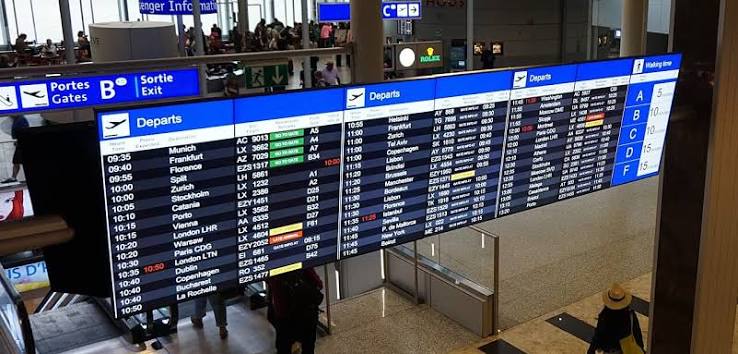
A journey with a layover includes at least two flight segments. Your first flight takes you to a connecting airport, where you usually leave the aircraft and board another flight to continue your trip.
For example, imagine this itinerary:
Mumbai to Dubai, arriving at 8:00 a.m.
Dubai to Paris, departing at 11:00 a.m.
Your scheduled layover is three hours. However, that does not mean you have three hours available for shopping or sightseeing.
Getting off the aircraft, finding your next gate, completing any required checks, and boarding all take time. The next flight’s boarding deadline also falls before its scheduled departure.
A layover can last less than an hour, several hours, or overnight. Your arrival and departure gates might be close together, in different terminals, or occasionally at different airports.
Always check the airport codes, especially when booking a connection through a city with multiple airports.
Layover vs Stopover vs Direct Flight

These terms describe different travel arrangements, and understanding them helps you avoid booking surprises.
| Term | What it means | What to expect |
|---|---|---|
| Layover | A wait between connecting flights | Usually change aircraft and continue your journey |
| Stopover | A longer planned break at an intermediate destination | May spend a day or several days visiting |
| Nonstop flight | A flight without an intermediate stop | Remain on one aircraft from origin to destination |
| Direct flight | A service with one flight number that may include a stop | Check whether you must leave or change aircraft |
| Self transfer | Flights combined without a standard protected connection | May need to collect bags and check in again |
When Does a Layover Become a Stopover?
Many international fare rules distinguish a layover from a stopover using a 24 hour threshold, while some domestic fare rules use shorter limits. These definitions vary, so they are not a universal rule for every ticket.
In everyday travel planning, the distinction is simpler: a layover is mainly a connection, while a stopover is a deliberate break to spend time somewhere.
If you want two nights in your connecting city, search for a multicity itinerary or an airline stopover option. Extending an existing connection later may change the fare.
The Different Types of Layovers
Domestic Layover
A domestic layover connects flights within the same country. It is often straightforward because you generally do not cross an international border between flights.
You may still need to change terminals or pass through security again. Airport layout and the airlines involved determine the process.
International Layover
An international layover involves a connection during a journey between countries. You might stay in the airport’s international transit area, or you might need to clear immigration.
Do not assume that staying inside the airport removes every document requirement. Some passengers need a transit visa even when they do not intend to enter the country.
Overnight Layover
An overnight layover means waiting through part or all of the night before your next flight. Check whether your terminal remains accessible overnight and whether any hotel is before or after immigration.
A hotel described as being “at the airport” may still require permission to enter the country. Also, a long scheduled layover does not automatically include a free hotel.
Self Transfer Layover
A self transfer usually involves separate tickets or a booking explicitly marked as self transfer. You may need to collect checked luggage, enter the country, and check in with the next airline.
A single payment to a booking website does not necessarily mean you have a protected connecting ticket. Read the booking conditions before buying.
How Much Layover Time Do You Need?
There is no connection time that works for every airport. A small domestic airport and a large international hub present very different transfer requirements.
Airlines use minimum connection times when selling standard connecting itineraries. Meeting that minimum makes the connection eligible for sale, but it does not guarantee a relaxed transfer.
As a planning preference, around two hours can provide a useful cushion for many straightforward connections. International arrivals involving immigration, baggage collection, or terminal changes may justify three hours or more.
These are starting points, not official requirements. Check your actual airport and itinerary before deciding.
Factors That Require More Time
Allow a larger buffer when your journey involves:
Immigration or customs procedures.
Collecting and checking luggage again.
Separate tickets.
A transfer between airports.
Mobility assistance or travel with young children.
The last onward flight of the day.
For separate tickets, even a generous gap can be vulnerable to a substantial delay. An overnight connection may be sensible when missing the second flight would be particularly expensive.
Check the next airline’s bag drop and boarding deadlines, not just its departure time. You must complete the required steps before those earlier cutoffs.
What Happens During a Layover? A Step by Step Guide
1. Confirm Your Connection Before Departure
Check the connecting airport, terminal information, and scheduled waiting time. Ask whether your luggage will travel through to your final destination.
Save your itinerary and boarding passes offline. If you need assistance, arrange it ahead of travel.
2. Follow the Correct Signs After Landing
Look for signs marked “Connections,” “Flight Transfers,” or “Transit.” Do not automatically follow everyone toward arrivals and baggage reclaim.
If your itinerary requires immigration or baggage collection, follow that process instead. Ask airport staff when the route is unclear.
3. Complete Any Required Checks
Depending on the airport and route, you may need another security screening, passport check, or immigration inspection.
Keep your passport and onward boarding pass accessible. Items bought after security at your departure airport may face additional screening during your connection.
4. Check Your Next Flight
Find your flight on the departure screens or airline app. Confirm the flight number, gate, boarding time, and any delay.
Gate assignments can change, so check again during a longer wait. A saved screenshot is useful, but it may no longer show the latest information.
5. Find the Gate Before Taking a Break
Locate your gate or establish exactly how to reach it before settling into a restaurant or lounge.
Once you understand the transfer route and walking time, you can judge how much time remains for food, rest, or shopping.
Do You Collect Your Luggage During a Layover?

On a standard connecting ticket, checked luggage is often tagged to your final destination and transferred between flights. Confirm this at the initial check in counter and check the destination printed on your baggage receipt.
However, through checked baggage does not always mean you can ignore baggage reclaim. Certain border procedures require you to collect and recheck it.
For many international arrivals into the United States, passengers generally collect bags at their first entry airport before continuing. Preclearance arrangements and certain baggage screening programs can change that process, so follow the instructions for your specific flight.
Separate tickets frequently require baggage collection and another check in. Some airlines have arrangements allowing through checking, but you should never assume this applies.
Carry medicines, essential documents, chargers, and a change of clothes in your cabin bag. You usually cannot access checked luggage during an ordinary transit wait.
Can You Leave the Airport During a Layover?
Yes, sometimes, if you meet the country’s entry requirements and have enough time. Your onward ticket alone does not grant permission to cross the border.
Check official entry requirements for your passport and circumstances before planning an airport exit. Permission to transit and permission to enter a country can be different.
Time is the other major consideration. A six hour layover does not provide six hours in the city.
Subtract time for disembarking, immigration, transportation both ways, returning through security, and boarding. If you must collect luggage, account for that too.
Leaving is more practical during a genuinely long connection with predictable transport. If queues or traffic would leave you rushing, stay at the airport.
What If You Miss Your Connecting Flight?
If your flights form a protected connecting itinerary and an incoming delay causes you to miss the next flight, the airline will generally help arrange onward travel under its applicable conditions.
Contact the airline’s transfer desk or check its app for rebooking instructions. Keep your baggage receipt and ask what will happen to your checked luggage.
Separate tickets create a different situation. The second airline may treat you as a passenger who missed departure, even when the first flight was delayed.
A booking platform might offer additional connection protection, but its conditions matter. Check what it covers and how you must request help.
Meals, accommodation, refunds, and compensation depend on the circumstances and applicable rules. Do not assume every missed connection includes a hotel or cash payment.
How to Choose a Better Layover When Booking
Compare the whole itinerary rather than choosing solely by the lowest fare.
First, establish whether the connection is protected or a self transfer. Next, check the airport codes, terminal changes, baggage arrangements, and any document requirements.
Then consider the consequences of a delay. A connection with several later onward departures offers more recovery options than the last flight to your destination.
Finally, compare the total cost. A cheaper ticket may become less attractive after paying for meals, a hotel, airport transport, or another baggage fee.
For an important event, arriving a day early often provides more protection than carefully selecting a short connection.
Practical Tips for a More Comfortable Layover
Find the gate first. Knowing where you need to be makes it easier to relax and prevents a meal break from becoming a last minute sprint.
Pack for the waiting time. A light layer, headphones, charging cable, and essential toiletries can make a long connection more comfortable.
Check lounge conditions before paying. Entry may have a time limit, and showers or sleeping facilities may cost extra.
Set an alarm for boarding. Use the local time shown at the connecting airport, particularly after crossing several time zones.
Be cautious with overnight plans. Shops may close, seating may be limited, and some airport areas may not remain accessible throughout the night.
Keep a manageable cabin bag. Heavy luggage becomes tiring when you must walk between distant gates or use terminal transport.
Frequently Asked Questions About Layovers
1. Do You Stay on the Plane During a Layover?
Usually, you leave the first aircraft and board another. Some services make an intermediate stop while continuing under the same flight number, so check your itinerary and follow crew instructions.
2. Do You Need Another Boarding Pass?
You need a boarding pass for each flight segment. The first airline may issue both at check in; otherwise, obtain the next one through the airline app, transfer desk, or required check in counter.
3. Is a One Hour Layover Enough?
It can be enough for some airline approved connections, but it leaves limited room for delays. Terminal changes, immigration, baggage collection, and assistance needs can make that timing unsuitable.
4. Do You Need a Visa for a Layover?
Possibly. Requirements depend on your nationality, connecting country, route, and whether you remain in transit or pass immigration. Check official guidance for your exact circumstances before booking.
5. Are Layover Flights Always Cheaper?
No. Connecting flights can cost less, but pricing depends on demand, competition, dates, and availability. Compare the complete journey cost, including any meals, accommodation, and transfer expenses.
6. Can You Sleep at the Airport?
Sometimes, but access and facilities vary. Check overnight terminal rules, available seating, sleep pods, and hotels. Confirm whether a hotel requires you to clear immigration before reserving it.
7. Will Your Connecting Flight Wait for You?
Do not rely on it. Airlines may occasionally hold a flight, but operational limits and other passengers’ connections influence that decision. Follow transfer instructions promptly and contact staff if your connection is at risk.
Final Verdict: Choose a Layover That Fits Your Journey
A layover is simply the waiting period between flights, but its convenience depends on how the connection is arranged. The most useful checks are ticket protection, transfer time, baggage handling, and entry requirements.
Choose enough time to complete the actual airport process, especially when changing terminals or traveling on separate tickets. With those details settled, a layover can be a manageable break rather than the most stressful part of your trip.
Some links on this page are affiliate links. If you book through one we may earn a commission, at no extra cost to you. It never affects our ratings, our rankings, or the price you pay.