Is Booking.com Reliable? An Honest Guide for Travelers
Is Booking.com Reliable? An Honest Guide for Travelers in 2026 Is Booking.com reliable? For most travelers, yes.
For most travelers, yes. Booking.com is a legitimate and widely used online travel agency where you can reserve hotels, apartments, flights, rental cars, taxis, and attractions. It offers a huge choice of properties, verified-stay reviews, flexible filters, and competitive rates.
That does not mean every booking will be trouble-free. Booking.com usually connects you with a third-party travel provider rather than personally operating the hotel or apartment. Your experience can therefore depend on the property, its cancellation rules, the payment method, and how carefully you check the listing.
Booking.com Reliability at a Glance
| Question | Short answer |
|---|---|
| Is Booking.com legitimate? | Yes. It is a major online travel agency owned by Booking Holdings. |
| Are confirmed reservations usually honored? | Yes, although rare property errors, closures, and overbooking can occur. |
| Are the reviews trustworthy? | Generally useful because accommodation reviews are tied to bookings, but no review system is perfect. |
| Is payment secure? | Usually, when completed through the website, app, or approved method stated in the confirmation. |
| Are refunds guaranteed? | Only when the booking terms, provider policy, or applicable law entitles you to one. |
| Is customer support available? | Yes, but the speed and outcome may vary because the provider may need to approve a solution. |
| Biggest risk | Choosing a restrictive rate or responding to a fraudulent payment message. |
| Overall verdict | Reliable for most bookings when you verify the terms, property, and payment request. |
Its size and long history make it a genuine platform, but a large marketplace cannot promise that every independent provider will deliver the same standard.
How Booking.com Works
Booking.com is an online travel agency, often shortened to OTA. It displays inventory supplied by hotels, apartment operators, airlines, car rental firms, and other travel companies. Travelers can compare options and make a reservation through one interface.
For many accommodation bookings, the contract for the stay is between you and the property. Booking.com facilitates the reservation and sometimes the payment. The property may therefore need to approve a refund or solution.
Who charges your card?
The answer varies by reservation. Depending on the listing:
Booking.com may process the payment.
The property may charge your card before arrival.
You may pay the property when you check in or check out.
The property may place a temporary preauthorization on your card.
The payment schedule should appear before checkout and in your confirmation. A property charge may use a different legal company name, so verify it before reporting fraud.
Who sets the cancellation policy?
Cancellation conditions are attached to the specific room and rate. One hotel may offer free cancellation, a partly refundable option, and a cheaper non-refundable rate at the same time.
Do not assume that a “pay later” room is automatically refundable. Payment timing and cancellation rights are separate conditions. Read both before booking.
Why Booking.com Is Generally Reliable
A large selection with useful search tools
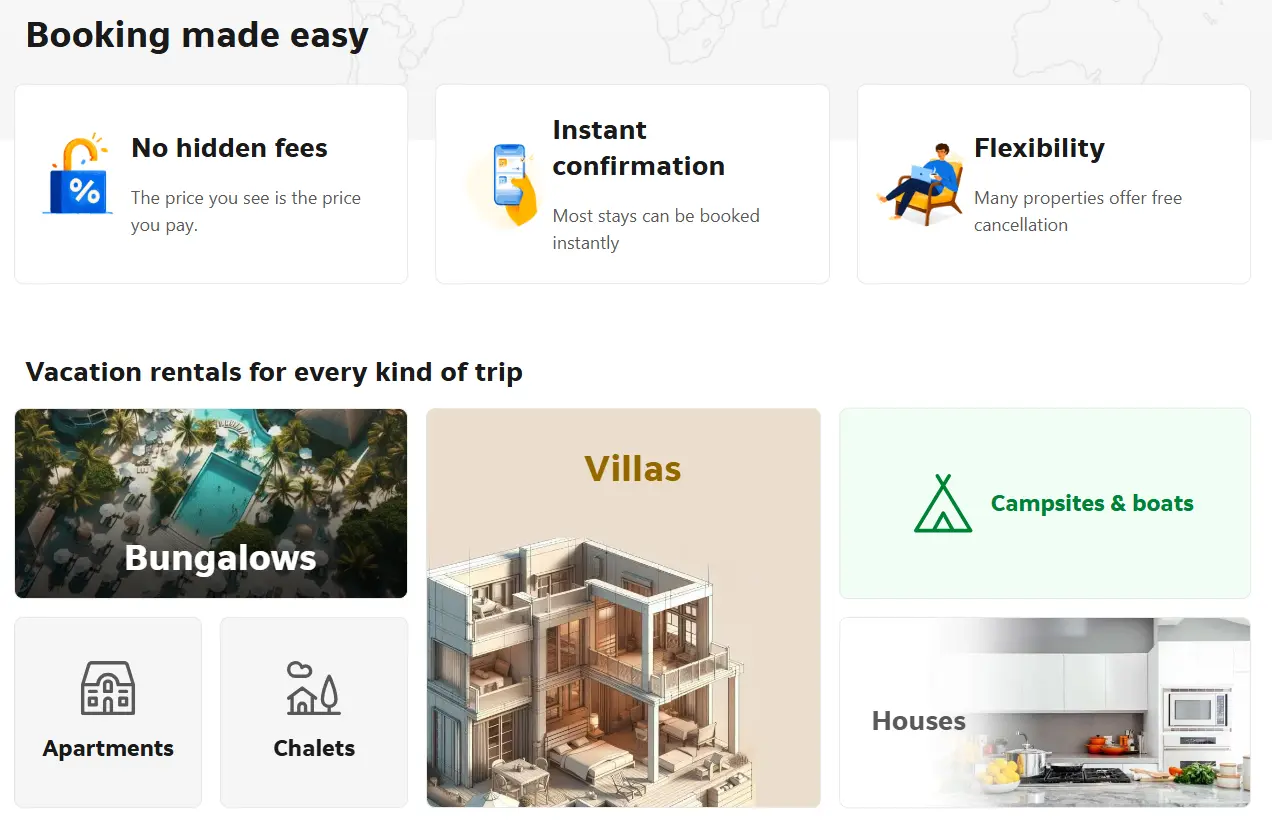
Booking.com lets travelers compare traditional hotels, hostels, resorts, apartments, villas, and guesthouses. Filters for price, neighborhood, guest rating, facilities, accessibility, meal plans, and cancellation terms make it easier to narrow a large market.
Reviews connected to actual reservations
Booking.com generally invites guests to review an accommodation after a booked stay. That makes its feedback more useful than open review sites where anyone may post without a reservation.
Read reviews critically. A property can change management or decline, so recent comments about cleanliness, noise, and staff response are more useful than old praise.
Clear rate options before checkout
The booking page normally shows whether breakfast is included, when payment is due, and what cancellation penalty applies. Review the final price rather than relying on the first nightly rate shown in search.
Confirmation and in-platform records
After reserving, you normally receive confirmation containing the dates, room, price, policies, address, and contact options. Save it and use account messaging for important requests so you have a written record.
Where Travelers Can Run Into Problems
The listing may not match expectations
Photos can make rooms appear larger, while facilities may be seasonal or under maintenance. Check guest photos, room size, beds, bathroom type, accessibility, and address. Not every gallery photo represents your selected category.
Cancellation and refund misunderstandings
Many complaints begin when a traveler books a non-refundable rate and later expects a full refund. If your plans might change, the small saving on a restrictive rate may not justify the risk.
Even with free cancellation, note the deadline in the property’s local time. After that moment, the full price or a stated penalty may apply.
Overbooking or property-initiated cancellation
A hotel can occasionally accept more reservations than it can accommodate because of inventory errors or operational decisions. A property may also close unexpectedly or reject a booking because payment verification fails.
Contact the property before an important trip, especially for late-night arrival, a remote destination, or a major event. Written reconfirmation reduces surprises but does not replace your official reservation.
Customer support can involve several parties
Support is more complicated when Booking.com processed the reservation but the property controls the refund. The traveler may feel passed between the two while approval is being requested.
When reporting an issue, provide the confirmation number, dates, amount, receipts, screenshots, photos, and a short description of the resolution you want. Clear evidence usually works better than a long emotional account.
Phishing and fake payment requests
Travel scams can use genuine reservation details to create convincing messages. Booking.com’s traveler safety advice says it will not ask for credit-card details by email, phone, text, or WhatsApp, and warns against bank transfers that differ from the payment policy in the confirmation.
Treat sudden urgency as a warning sign. Do not open an outside payment link merely because a message includes your name, hotel, or check-in date. Open the official app or type Booking.com into your browser, inspect the reservation, and contact support or the property through trusted details.
How to Book Safely on Booking.com
Step 1: Search with exact trip details
Enter the destination, dates, number of rooms, and correct number and ages of guests. Incorrect occupancy can change the rate or cause trouble at check-in.
Use filters for your real priorities, such as free cancellation, private bathroom, air-conditioning, parking, or breakfast.
Step 2: Investigate the property
Read recent reviews, focusing on repeated patterns rather than one extreme complaint. Check the map carefully because neighborhood names can cover a wide area.
For apartments and holiday homes, look for check-in instructions, deposits, cleaning charges, house rules, and whether the host must meet you.
Step 3: Verify the exact room and final price
Match the room name with its photos and facilities. Confirm bed type, occupancy, view, bathroom arrangement, and included meals.
Review the price breakdown for taxes, resort fees, city taxes, cleaning fees, damage deposits, and charges payable at the property. Convert currencies independently if your card may apply its own exchange rate.
Step 4: Read cancellation and payment terms
Write down the free-cancellation deadline and penalty. Confirm whether payment is due now, on a future date, or at the property.
If the booking is non-refundable, buy it only when your itinerary is firm or your travel insurance covers the reason you may cancel.
Step 5: Pay only through an approved channel
Use the checkout flow or the method explicitly stated in your confirmation. Be cautious if anyone requests a new transfer, gift card, cryptocurrency payment, or card verification through an unfamiliar page.
Using a credit card may offer stronger dispute options than a bank transfer, although protections vary by issuer and country.
Step 6: Save and verify the reservation
Download the confirmation and take screenshots of the price, policies, and important facilities. Confirm special requests in writing because submitting a request does not always mean the property has guaranteed it.
For a costly or time-sensitive stay, message or call the property a few days before arrival. Ask it to confirm your room, payment status, arrival time, and any essential request.
Pro Tips for a More Reliable Booking
Sort reviews by newest. Current maintenance and management matter more than praise from several years ago.
Search recurring complaints. Repeated mentions of mold, construction, noise, or surprise fees deserve attention.
Check the room category. Hotel galleries commonly mix images from standard rooms, suites, restaurants, and pools.
Screenshot the rules. Save the terms visible at checkout in case the listing changes later.
Keep conversations on-platform. A written record helps if a dispute develops.
Avoid tight cancellation deadlines. Set a calendar reminder at least one day before the actual cutoff.
Compare direct. Check the hotel’s own site before paying, particularly for an expensive stay.
Reconfirm critical bookings. Contact the property when arriving late, traveling with children, or depending on an accessible room.
Ignore pressure to pay elsewhere. Verify any unexpected request using a separate, trusted contact method.
Use travel insurance wisely. Standard policies do not cover every voluntary cancellation, so read the covered reasons.
Frequently Asked Questions
Is Booking.com a legitimate website?
Yes. Booking.com is an established online travel agency owned by Booking Holdings. Travelers should use the official website or app and avoid lookalike pages reached through suspicious messages.
Can Booking.com reservations be fake?
Most reservations are genuine, but inaccurate or fraudulent listings can occasionally appear on large marketplaces. Check recent reviews, property history, map location, and unusually low prices. Report suspicious listings instead of sending money outside the approved process.
Does Booking.com guarantee my hotel room?
A confirmed reservation is strong evidence that the property accepted the booking, but no platform can prevent every closure, inventory mistake, or overbooking. Reconfirm an essential stay directly with the property and keep all records.
Is it safe to enter card details on Booking.com?
It is generally safe when you are using the genuine website or app and the normal checkout process. Do not provide card details through email, WhatsApp, text, or an unfamiliar link sent after booking.
Will I get a refund if I cancel?
That depends on the rate’s cancellation policy. A flexible booking may qualify for a full refund before its deadline, while a non-refundable reservation may charge the full amount. Refund timing also depends on who processed the payment and your bank.
Are Booking.com reviews reliable?
They are useful because accommodation reviews are associated with reservations. Read a large sample of recent reviews and look for consistent themes. Guest expectations differ, so do not judge a property from one glowing or angry comment.
Is Booking.com cheaper than booking directly?
Sometimes, but not always. Genius or mobile rates may be attractive, while a hotel may offer its own member price, loyalty points, breakfast, or flexible terms. Compare the same room, dates, taxes, inclusions, and cancellation conditions.
Final Verdict: Is Booking.com Reliable?
Booking.com is reliable for most travelers, particularly when they want to compare a wide range of hotels and independent accommodations. Its mature reservation system, detailed filters, booking-linked reviews, written confirmations, and account messaging make it a practical travel tool.
The platform is not a guarantee that every property will be perfect or every dispute will be resolved instantly. The biggest avoidable problems come from restrictive rates, unchecked extra charges, vague room details, and unexpected payment messages.
Use Booking.com with the same care you would apply to any travel marketplace. Choose a well-reviewed property, inspect the total price, read the cancellation policy, pay only through an approved method, save the confirmation, and reconfirm important stays. With those checks, it remains a dependable option for planning and booking travel
Some links on this page are affiliate links. If you book through one we may earn a commission, at no extra cost to you. It never affects our ratings, our rankings, or the price you pay.